
Bipolar Affective Disorder

Bipolar Affective Disorder

Bipolar Disorder in Layman’s Terms

Bipolar disorder is a mental illness that is characterized by periods of mania and depression. It can impact every aspect of a person’s life, from their relationships to their work life. Bipolar disorder is a very serious condition that can lead to suicide if not properly treated.

While there is no cure for bipolar disorder, there are treatments that can help people manage their symptoms. It is important for those who suffer from bipolar disorder to seek professional help in order to lead a healthy and productive life.

Bipolar disorder is a type of mood disorder that is typically diagnosed after a person experiences periods of mania and depression. Mania is characterized by highly excited states, often combined with depressive episodes. During manic episodes, a person may exhibit behavior that is significantly abnormal, such as engaging in risky behavior or spending large amounts of money. During depressive episodes, a person may experience feelings of sadness, hopelessness, fatigue and anhedonia( the inability to feel pleasure).

Bipolar disorder is a complex and chronic illness that requires ongoing treatment and support. While there is no one-size-fits-all approach, a combination of medication and therapy often works to improve mood and reduce symptoms. Medication options include mood stabilizers, antipsychotics, and antidepressants. Therapy options, such as cognitive behavioral therapy (CBT), can help individuals recognize warning signs of, and provide coping strategies for, manic and depressive episodes.

Common symptoms include difficulty paying attention, restlessness, impulsiveness, procrastination, difficulty following instructions, knowledge retention issues, disorganization, daydreaming, difficulty sustaining focus, being easily distracted and have difficulty managing time.

an individualized disorder

The exact cause of bipolar disorder is still unknown. However, research has revealed that a combination of biological, psychological and environmental factors can contribute to a person’s risk of developing bipolar disorder.

Biological Factors: Genes, hormones and brain chemistry can all affect the risk of developing bipolar disorder. Abnormalities in certain hormones, such as cortisol and thyroid hormones, can also increase your risk. (You will want to remember that fact as you do your own research.) Additionally, people with close family members, such as a parent or sibling, who have bipolar disorder are also more likely to develop it.

Psychological Factors: Poor coping strategies, a family history of psychiatric illness and having experienced trauma or a harsh upbringing can all increase a person’s risk of developing bipolar disorder.

Environmental Factors: Stressful life events can trigger manic or depressive episodes. Stressful life events can include the loss of a loved one, relationship problems, job or school changes or money issues. Additionally, some drugs or medications, such as prescription and recreational drugs, can also increase your risk of developing bipolar disorder.

first and foremost

It is important to remember that bipolar disorder is a serious medical condition, not a personal choice or sign of weakness. Bipolar disorder can be treated successfully through a combination of therapies, treatment plans and medications. So you have to start your holistic wellnes journey with that fact on the front burner.

It is also essential to have the support and understanding of family and friends. Letting those closest to you know about the diagnosis of the disorder can help to reduce stigma and provide trusted people to talk to in times of difficulty. It is not something to be ashamed of or hide.

For those suffering from bipolar disorder, life may at times seem unmanageable, but help and support is available. Self-care is also an important way to cope with the symptoms of bipolar disorder.

Bipolar disorder may not be visible, but it should not be ignored. Its impact can be far-reaching and difficult to manage without the right support. With the right help, people with bipolar disorder can lead full and productive lives. Understanding of the condition and patience are essential both for those suffering from the disorder and those around them.

Bipolar disorder is characterized by extreme shifts in mood, energy, activity levels and focus. During manic episodes, a person can experience high levels of energy and focus, difficulty sleeping, rapid thoughts and speech or even hallucinations and delusions. During depressive episodes, the person may experience feelings of sadness, guilt, or worthlessness, extreme fatigue, difficulty concentrating, slowed thoughts or speech, and suicidal thoughts.

These symptoms can have an effect not only on the person who has bipolar disorder but also on their relationships and daily life. Some people with bipolar disorder may find it difficult to concentrate or complete tasks, impacting their work or school performance. Additionally, people with bipolar disorder may also experience difficulty forming and maintaining relationships due to their shifting moods.

diagnosis of Bipolar Disorder

A diagnosis of bipolar disorder can only be made by a trained clinician. Doctors use the criteria in the fifth edition of the Diagnostic and Statistical Manual of Mental Disorders (DSM-5) to diagnose bipolar disorder. A clinician may ask questions about a person’s mood, experiences and any family history of mental health issues. It is also important to rule out other mental health issues, biological conditions, medication side effects, and substance use disorders.

It is important to note that the diagnosis of bipolar disorder can be difficult. A diagnosis should not be based on a single instance or episode of depression or mania. The diagnosis should be based on a pattern of episodes that support a bipolar disorder diagnosis.

For a diagnosis of Bipolar I disorder, one or more manic episodes must be present, with at least one episode of major depression. For a diagnosis of Bipolar II disorder, one or more episodes of major depression must be present, with at least one hypomanic episode.

The bottom line is to connect with a health care professional that is versed in Bipolar Disorder and begin understanding the scope of the situation.

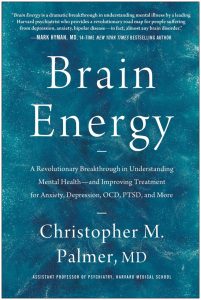
And immeditately read Brain Energy and look up the author. This doctor has a whole differant approach to mental illness. He strongly believes that these ‘mental problems’ come from a completely differant place. He believes they stem from poor metobolic health. This is a must read for anyone with ADHD, Bipolar Disorder and/or Rejection Sensitive Dysphoria. Also, binge watch if you can, The Metabolic Link on you tube. You will also look at mental disorders in a whole new light.
Natural approaches in metabolic syndrome management

Herbal Medicines for Treating Metabolic Syndrome: A Systematic Review of Randomized Controlled Trials

A Few Favorites To Get You Started

Magnesium has been shown to have an effect similar to lithium, the most common bipolar medication

Vitamin D regulates the production of adrenaline, noradrenaline and dopamine, and plays a vital role as an important hormone for brain function

Vitamin B deficiency (B1, B6, B7, B12, B complex) can contribute to depression, anxiety, and mood swings.

Omega-3 fatty acids are vital for brain function, supporting mental sharpness and positive mood

Read Our Affiliate Disclaimer Here

Once diagnosed, it’s important to get the facts on Bipolar Disorder I and II. And trust me, there’s a ton of it. So much so that it can become overwhelming. But it is extremely important to know exactly what you are dealing with. Bipolar Disorder is serious and must be taken as such.

Learning about your bipolar disorder is an essential step in managing it. So it’s important to become as informed as possible about the disorder and the various treatments available for it. Then determine which pieces and parts work uniquely for you. And definately get a health care professional who is well trained in this condition. He or she will be worth their weight in gold. Make it priority one.
Here are a few tips for learning about your biplar disorder:

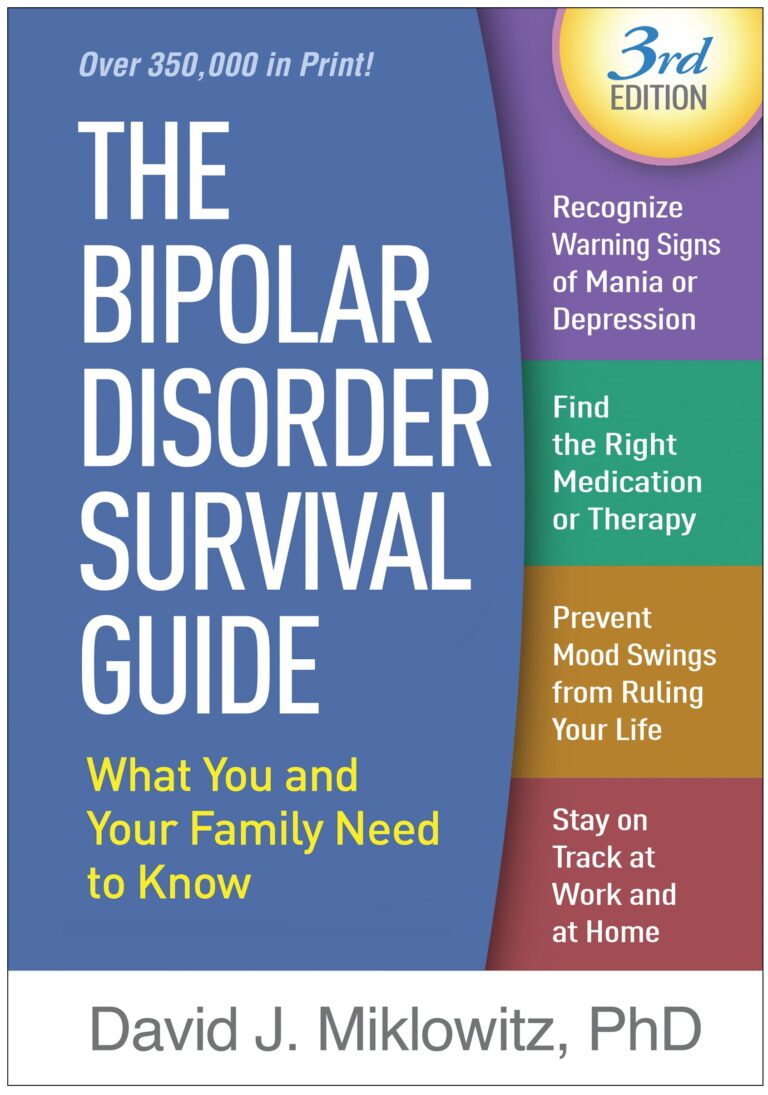
1. Read books and articles on Bipolar Disorder. It’s important to read works written by mental health professionals and the most recent to come to print. I have displayed many resourses for you to review right here on this page.

Always keep in mind that medicine is an ever changing field and everyday new ideas, therories and treatments come to light. So staying up with the latest research on the subject is paramount.

2. Speak to other adults who have been diagnosed with bipolar disorder and learn from their experiences. Real life is always best and learning what others do to help themselves can never hurt. Also, having someone who actually understands what you are going through can be golden.
Try finding a support group in your area. It can be extremely beneficial for managing symptoms. Being part of a supportive group can help to diminish lonely feelings and provide a space to talk about your struggles and triumphs with those who truly understand.
3. Learn about how you can make cognitive-behavioral changes to manage your symptoms. To date, there is no cure for Bipolar Disorder, so owning it and controlling your symptoms is the path to take.
4. Research medications used to treat Bipolar Disorder and the potential side effects. This is extremely important. If the cure is worse than the disease, you really want to know this. Do your own due diligence and talk things out with your health care provider. Remember, knowledge is king.
Here’s a great article from HealthLine about common drugs used to treat adults with Bipolar Disorder that you should review: Drugs to Treat Bipolar Disorder
5. Learn about herbal and natural treatments that help with Bipolar Disorder. However, it’s important to understand that a doctor must be involved when adding any suppliment to your wellness plan when you are dealing with bipolar disorder.  It’s a serious diagnosis and must be taken as such. (Read Brain Energy and The Complete Ketogenic Diet for Beginners
and discuss both with your doctor. It will be a rewarding place to begin.)

6. Learn about nutrition and dietary changes that will help. You will be amazed at how what you consume effects your brain so definately get a food journal and start tracking what you eat and drink. This entire site concentrates heavily on what we consume, or don’t eat that we should. The important thing is to learn about the foods you consume and recognize how the body and brain react to them. Trust me, it means so much more than you might think.

sounds so easy

I do realize how easy all of that sounds, but I also understand just how hard it can actually be. So start small and just walk through the process at your own pace. As you do, things will simply start coming to light for you. The more you know about yourself and your symptoms and the way you act or react to them will only improve over time. And that is an important fact to remember. This is a life long journey. Being Biploar is a part of you so take the steps necessary to live your best life. But also, and foremost, remember this small part of you does not define you or your capabilities to reach your dreams and aspirations.

getting treatment

Treatment for bipolar disorder typically includes medication and psychotherapy. Medications used to treat bipolar disorder can include mood stabilizers, such as lithium, anticonvulsants, antipsychotics and antidepressants. Psychotherapy is also an important part of treatment and may be used in addition to medication. Psychotherapy can help individuals develop coping skills, gain insight into their condition and manage stress.

The types of psychotherapy used to treat bipolar disorder include cognitive behavioral therapy (CBT), interpersonal therapy and family therapy. CBT can help a person learn how to recognize and manage their thoughts and feelings, as well as change their behavior. Interpersonal therapy helps the person cope with relationships and work issues. Family therapy can help reduce the stress of caring for a family member with bipolar disorder by increasing understanding between family members and improving communication.

Bipolar disorder is a complex and often difficult condition to live with, and the impact it has on the sufferer’s life can be far-reaching. The condition can cause severe emotional and psychological distress, leading to feelings of isolation, low self-esteem and difficulty in making and maintaining relationships. People with bipolar disorder may also struggle to cope with day-to-day tasks, such as going to work, taking care of children or managing their finances.

The symptoms of bipolar disorder can be unpredictable, making it difficult to maintain stable relationships and a consistent lifestyle. People suffering from bipolar disorder may also experience difficulty in concentration and memory, as well as difficulty in finding the motivation to do even simple tasks.

Bipolar disorder can also lead to physical and mental exhaustion, depression, poor sleep quality and the potential for substance abuse. Long-term symptoms can include major mood swings, psychosis, depression and suicidal thoughts or attempts.

The emotional and physical impact of bipolar disorder can be debilitating and it is essential to seek medical help as soon as possible to ensure the best chances of recovery.

so what should you do right now

First start with promising yourself compassion. No matter how long you’ve been dealing with your Bipolar Disorder, or have just been diagnosed, it’s important to remember to be patient with yourself. Self love and self care will soon be your closest companions.

Secondly, get a journal and start learning to learn about you. If you have never journaled before, start simple. But we here at AlllNaturWell believe journalling is the right place to begin. Discovering who you truly are is a great aid in managing not only Bipolar Disorder, but RSD and ADHD as well. It’s a way to ‘take control’ of your situation and allows you to see certain patterns in your day to day that can be used (or un-used) when managing your mental health for the long haul.

Keeping a regular schedule is also very important when it comes to managing your bipolar disorder. When you plan out your days in a detailed fashion, it helps to establish a sense of structure and routine to your life. Having a specific time for getting up, going to bed, eating meals and doing tasks can be a great way to manage symptoms.
Having a consistent sleep schedule is particularly important for managing bipolar disorder. That’s because a lack of sleep can trigger a manic episode. It is recommended to establish a regular bedtime routine, stick to it and avoid sleeping late or taking naps. Read Sleep Hygiene: The Key To Effective Bipolar Disorder Management for more on the topic.
Exercising regularly can also help to manage bipolar disorder. Regular exercise, such as walking and jogging, have been found to help boost moods, reduce stress and reduce the risk of depression. Be sure to work with your doctor or therapist to develop an exercise program that is right for you and read the study from Australia entitled: Exercise more effective than medicines to manage mental health, study shows
Lastly, aim to avoid stress as much as possible. Stress can be a trigger for extreme mood swings and it can make managing bipolar disorder more difficult. Learn and practice relaxation techniques such as mindfulness, yoga, tai chi or even try making art. Taking time out to relax can go a long way in helping to reduce stress.

A Few Favorites To Get You Started
Read Our Affiliate Disclaimer Here

understanding your triggers

Learning to recognize and understand your ‘triggers’ is a crucial aspect of managing bipolar disorder. By developing this self-awareness, individuals can gain greater control over their mood fluctuations and enhance their overall well-being. Identifying triggers involves paying close attention to the patterns and situations that precede episodes of mania or depression. Journaling is a perfect way to discover these triggers and earn how to prevent them.

Triggers can vary greatly from person to person but may include stressful events, disrupted sleep patterns, substance abuse or changes in medication. Once triggers are recognized, individuals can employ strategies such as maintaining a stable routine, practicing stress management techniques, seeking social support and making lifestyle adjustments to minimize their impact.

By diligently observing and comprehending your personal triggers, individuals with bipolar disorder can empower themselves to proactively manage their condition and pursue a more balanced and fulfilling life. So grab that journal.

And, while I have you here, let me add a few thoughts about your ‘thoughts’ journal. First grab a journal that feels good in your hand. (Here’s the one I use) And by that I mean one you can get attached to. This journal will soon become your closest confidante. Somedays you will write like a best selling author. Other days not so much. And that’s okay. You don’t always have to write something. Draw, doodle, scribble swiggley lines all over the page. It doesn’t really matter. The important thing is just make sure you learn to go to that book everyday for your good mental health. And trust me, you will soon know eactly why.

Journaling can be a powerful tool for self-reflection and understanding the factors that may be triggering certain emotions or reactions. Here’s a few tips about how you can start:

  1. Find a quiet and comfortable space: Choose a calm environment where you can focus and reflect without distractions. It could be a cozy corner in your home (a Hygge space you have created for yourself) or a peaceful outdoor spot. A place where you can be completely at ease and be yourself.
  2. Set an intention: Before you begin writing, set an intention for your journaling practice. For example, you might want to uncover triggers related to a specific area of your life or gain a deeper understanding of your emotional patterns.
    • Setting an intention in your journaling practice helps you establish a clear focus and purpose for your writing. It serves as a guiding principle that directs your attention and exploration towards specific areas or goals. Here’s how you can set an intention for your journaling practice:
      1. Reflect on your current needs: Take a moment to reflect on what you hope to achieve through your journaling. What aspects of your life or emotional well-being would you like to explore or understand better? Are there any specific triggers, patterns or areas of growth you want to address? Identifying your current needs will help you set a relevant intention.
      2. State your intention: Once you’ve identified your needs, distill them into a clear and concise statement that reflects your purpose. For example, your intention could be: “I journal to uncover the triggers that contribute to my anxiety and to find strategies to manage them.”
      3. Make it positive and empowering: Frame your intention in a positive and empowering manner. Rather than focusing on what you want to avoid or eliminate, emphasize what you want to cultivate or learn from your journaling practice. This positive framing can enhance your motivation and mindset.
      4. Write it down: Write down your intention in your journal. Seeing it in writing reinforces your commitment and serves as a reminder each time you begin a journaling session.
      5. Revisit and Revise: Regularly revisit your intention and assess if it still aligns with your evolving needs and goals. Over time, you may find that your intention needs to be refined or expanded. Be open to adapting it as necessary to ensure it continues to guide your journaling effectively.

      Setting an intention in your journaling practice helps you create a sense of purpose and direction. It provides a framework for your exploration and helps you stay focused on the areas you want to explore or understand better. By consciously engaging with your intention, you can deepen your self-reflection and uncover valuable insights about your triggers, emotions and personal growth.

  3. Choose a regular time: Establish a consistent journaling routine. Whether it’s in the morning to start your day with clarity or in the evening to reflect on your experiences, find a time that works best for you. Either is fine. There are no real rules.
  4. Start with a prompt or free writing: Begin your journal entry by either using a prompt or engaging in free writing. Prompts can be specific questions like “What events or interactions today made me feel uneasy?” or “What thoughts or memories have been recurring lately?” Alternatively, you can simply let your thoughts flow freely onto the paper without any particular structure.
  5. Write without judgment: When journaling, it’s important to write without self-censorship or judgment. Allow your thoughts and emotions to emerge honestly and authentically. Remember, your journal is a safe space for exploration.
  6. Be descriptive and specific: Try to be as descriptive and specific as possible when describing your experiences. Include details such as the time, location, people involved and your emotional and physical responses. This level of detail can help you identify patterns and potential triggers.
  7. Reflect and Review: After a period of consistent journaling, set aside time to review your entries. Look for common themes, emotions and patterns that emerge across different entries. Pay attention to any recurring words or phrases that appear frequently.
  8. Identify potential triggers: Based on your reflections, you can begin to identify potential triggers. Look for connections between certain events, people, places or thoughts and your emotional responses. These triggers might be linked to feelings of stress, anxiety, anger or sadness.
  9. Experiment and Validate: Once you’ve identified potential triggers, experiment with making changes in your environment or responses to observe how they affect your emotions. Validate your findings by noting whether your emotional responses change as you modify your triggers.

Remember, journaling is a personal practice and there is no right or wrong way to do it. The key is to be consistent, open and honest with yourself. By embracing the process of journaling, you can gain valuable insights into your triggers and work towards greater self-awareness and emotional well-being.

A little side note here: Keeping more than one kind journal could make the process easier. Keeping a dietary journal seperate from your thoughts journal might reveal certain things that will become relevant over time.

sleep and bipolar

Next is sleep. Getting enough quality sleep is vital for managing your bipolar disorder. A good night’s sleep helps ensure that your mental state and mood is at optimal level. Inadequate sleep can easily induce manic and depressive episodes.

The amount of sleep needed varies from person to person but generally, adults should get at least 7-9 hours of sleep every night. Here are some tips for improving your sleep hygiene and helping ensure that you get enough sleep:

1. Stick to a regular sleep schedule. This includes going to bed and getting up at the same time every day.

2. Avoid taking long naps during the day and limit caffeine, alcohol and nicotine before bed.

3. Exercise regularly, but not right before bed, as it can be energising.

4. Make sure to wind down and relax before bed and create a comfortable sleeping environment. Learning to retire from your day is a treasure you will be happy you found.


keep going

Now that we’ve covered Bipolar Disorder in layman’s terms, definately dive deeper on a daily basis. Make it part of who you are. Create the habit of reading one relevant article, study or email on the subject weekly. Now that’s not to say they will all be relevant to you, but it will force the situation where you stay tuned into the subject. All it might take is one relatable story to reveal a secret that makes your life easier and more enjoyable. And what’s a few minutes spent everyday reading a few thousand words that could deliver a tip, trick or study that could add to the peace and joy in your life.

And write, write, write. Get a journal and start your story today. I am not kidding when I say you are probably a stranger to yourself and have been most of your life. You took on what others may have said about you, knowing full well their words were wrong but not knowing how to explain they were. And so you just let it ride and somehow accepted (and became) what those words represented. For example, women and girls with undiagnosed Bipolar disorder often hear themselves labeled as  spacey, disorganized, immature, unreasonable, extremists etc. Over time, and hearing this often enough, makes one buy into the line and believing such words brings on the new problem of low self esteem, shame and embarrassment. It’s only after an accurate diagnosis of being bipolar that everything comes into focus. By that time however, the damage has been done and is often difficult to unlearn. So get a journal and start discovering who you truly are.

And last but not least, experiment. By that I mean, try making a few small changes in your routine and see what happens.

And before we go any further, you must give everything a fair fighting chance to work. Four days to see if a treatment, therapy or natural suppliment has any effect on you is not a fair shot. Changes take time to cause results. Remember you have been bipolar a long time, so adding a suppliment or new habit will take a bit of time to take hold. So, when you decide to add (or subtract) something to or from your life, make a vow to follow through for 365 days before deciding to retain or abort the action.

Anyway, as I was saying, experiment a bit. Let’s say you have a terrible habit of getting into bed and immediately grabbing the phone and start scrolling TicTok. Now don’t get me wrong, I love TicTok, but there is nothing on there that can’t wait. Instead, follow a routine that will ease you into peaceful slumber. Learn to ‘retire from your day‘.  And make it fun. Create your space, write your comfort routine and live this part of your day to the fullest. You will thank me later.

The bottom line is that now that you know your situation, take control of it, master it and keep going. Women with Bipolar Disorder, ADHD and RSD have made great strides in their worlds and so can you.

Just A Personal Side Note: In all fairness, there’s is a whole lot more to getting a reign on your Bipolar Disorder. It takes a lot of research, soul searching and self discovery. And it takes a lot of adjusting and a whole lot of time, work and patience. My son-in-law was quite reluctant in the beginning but as I made suggestions, according to research I could show him, he did help himself by complying to my requests. I bought him a few suppliments I thought would help and my daughter started presenting differant meals to improve their diets and they created a bedtime ritual, that quite frankly benefitted both of them. I bought them a ‘thoughts’  journal and a ‘food’ journal and together they wrote his story. About 6 months into it, he himself realized just how much better he was feeling. His aches were lessening, he was actually sleeping 8 hours a day and he’d lost a conciderable amount of weight. His mind was not racing as much, his spirit was content and having a day filled with rewarding habits seemed to be the beginning of healing. Now although his diagnosis ended up not being ADHD in the end, did not seem to change things. He was already on the right path to being the happy, carefree young man he once was. A year later, still following the game plan they had created for themselves, their family is happy, healthy and thriving. All because he took control of his situation by educating himself and following through with life changes that absolutely made all the differance.

how to tell your friends and family

If you have recently been diagnosed with bipolar disorder, you may be wondering how to tell your friends and family about your condition. First and foremost, it is important to remember that there is no ‘right’ or ‘wrong’ way to do this. Ultimately, it is up to you to decide what is best for you. With that said, there are a few things you may want to keep in mind when making this decision.
First, it is important to be sure that you are ready to talk about your diagnosis. This is a personal choice and there is no ‘right’ time to do it.
You may also want to consider how much information you want to share about your condition. Remember, you are not obligated to share anything you are not comfortable with.
Finally, it is important to be prepared for the reactions of your friends and family.
They may not all be supportive but try to remember that they are probably just as scared and confused as you are.

the importance of telling your loved ones

Once you have made the decision to tell your friends and family about your bipolar disorder, it is important to remember to include your loved ones in the conversation. They are the people you are likely closest to and their reactions can have a huge impact on your recovery.
Start by remembering that loved ones are likely to feel just as scared and confused as you do. They may respond with concern, disbelief or even anger. Try to remember that they are also coming to terms with this news and give them the opportunity to process their feelings.
It is important to make sure that your loved ones understand how to provide the best support for you. Having a clear idea of how they can help you can help alleviate their fear and confusion.
Explain what course of treatment you are taking if applicable and the resources available to you if needed. You may also want to include referrals to support groups and informative websites like I mention throughout this site.
By making sure to include your loved ones in your plans, you can create a stronger support system and make sure you have the best chance to recover.

explanations and caveats

Once you’ve established that your loved ones are ready to talk openly about your bipolar disorder, it’s important to explain and provide cautionary advice.
Start by explaining the difference between bipolar disorder and depression. Bipolar disorder is characterized by manic episodes of euphoria or depressive episodes of deep sadness, while depression consists of persistent symptoms of overwhelming sadness or emptiness. This can be a crucial distinction to make with your friends and family so that they can better understand the disorder and how it affects you.
It’s also important to explain the different types of bipolar disorder, such as Bipolar I Disorder, Bipolar II Disorder, Cyclothymic Disorder, and Rapid Cycling Disorder. Explain the type of bipolar disorder you have and how this affects your day-to-day functioning, and why it’s important to prioritize your mental health.
Be sure to caution your loved ones on the triggers behind your manic and depressive episodes. Stress and the lack of sleep can be particularly difficult, so having a safe place to turn when you’re struggling can be key. Additionally, remind your loved ones that bipolar disorder can’t be “cured,” but it can be managed with the right treatment.

tips for telling

Telling your family and friends about your bipolar disorder can be a difficult process. Here are some tips for making the conversation easier:
1. Pick your timing wisely. It’s often better to talk about your disorder in person and when the timing is right.
2. Choose the right setting. Make sure that you have the space and privacy to have an open and honest conversation.
3. Keep your conversation open. Let your family and friends know that they should feel free to ask questions and provide input.
4. Be prepared for response. You never know how your loved ones will react when you tell them about your disorder. Prepare yourself for any possible reaction and also have an open mind to the response that your family and friends may have.
5. Set boundaries. Your family and friends may not understand what you’re going through and may offer advice that isn’t helpful. An important part of the conversation is to make sure they understand where the boundaries are and what you expect from them.
6. Embrace the support. When your family and friends come around and show you support, be sure to acknowledge it. It can be incredibly helpful in managing your disorder.

after you’ve told

Once you have opened up and told your family and friends about your bipolar disorder, there are still a few things to keep in mind in order to maintain a healthy relationship:
1. Make sure your loved ones understand what bipolar disorder is. Don’t hesitate to provide them with as much information as possible. Websites, books and brochures can be great resources for them to start learning more.
2. Set up a support system. Having a positive system of support, whether in your family, friends, or someone outside of your circle, can be essential in managing your disorder. You can use it to help stay positive and to feel comfortable reaching out when needed.
3. Establish boundaries. Bipolar disorder is a delicate subject and it’s important to be aware of how your loved ones react and feel when talking about it. Let them know that everyone needs time for themselves and be ready for questions, but don’t allow discussions that make you feel uncomfortable.
4. Have the difficult conversations. It’s important to talk to your loved ones about the signs and symptoms of bipolar disorder so that they know what to look out for and how to help when needed.
5. Have self-awareness. Be aware of how you’re feeling and how your loved ones are feeling. Be ready to take some time for yourself if needed, but also be prepared to help others if they need it.

conclusion

Telling friends and family about your bipolar disorder can be a difficult, rewarding and important step. When done correctly, it can create a safe and accepting environment between you and your loved ones. Always remember to be prepared and put thought into the process so that it can be the positive experience it is meant to be.
Be honest, open and patient with yourself and your loved ones. Don’t compare yourself to someone else’s experience, focus on finding your own path. Finally, remember to be gentle and kind with yourself, as learning to manage your bipolar disorder is a challenging yet rewarding experience. With the right support, you can live a fulfilling life and reach your full potential.

Three Books You Need To Own

Read Our Affiliate Disclaimer Here

Disclaimer: The information or products mentioned in this article are provided as information resources only and are not to be used or relied on to diagnose, treat, cure or prevent any disease. The statements made in this article have not been evaluated by the Food and Drug Administration. Any products mentioned are not intended to diagnose, treat, cure, or prevent any disease. The information in this article is intended for educational purposes only. The information is not intended to replace medical advice offered by licensed medical physicians. Please consult your doctor or health practitioner for any medical advice.

Omega-3 fatty acids, specifically eicosapentaenoic acid (EPA) and docosahexaenoic acid (DHA) play a critical role in maintaining proper neuronal structure and function, promoting efficient communication between brain cells and supporting overall brain health. Omega-3 fatty acids are involved in various processes in the brain, including neurotransmitter production, inflammation regulation, and neuroplasticity, which is the brain’s ability to adapt and form new connections. Research suggests that omega-3 fatty acids may have beneficial effects on cognitive function, mood regulation and reducing the risk of neurodegenerative disorders.

Folate, also known as vitamin B9, plays a crucial role in the human brain. It is involved in various essential processes, particularly in the development and functioning of the nervous system. Folate is necessary for the synthesis and repair of DNA, which is vital for proper brain cell division and growth. It also contributes to the production of neurotransmitters, such as serotonin, dopamine, and norepinephrine, which are key regulators of mood, cognition, and behavior. Research suggests that individuals with bipolar disorder may have lower levels of folate compared to the general population and that supplementation with folate may have a positive impact on reducing symptoms and improving treatment outcomes in bipolar disorder.

Vitamin D receptors are present in various regions of the brain that are involved in mood regulation. It is thought that vitamin D may influence the production and regulation of certain neurotransmitters, such as serotonin, dopamine, and norepinephrine, which play a role in mood regulation. Imbalances in these neurotransmitters are associated with bipolar disorder. Vitamin D receptors are present in the brain, and it is involved in processes related to neuroplasticity, neurotransmission, and inflammation. Studies have found an association between vitamin D deficiency and depressive symptoms. As bipolar disorder involves both depressive and manic episodes, optimizing vitamin D levels could potentially have a positive impact on mood stability.

--->