

The Vital Link: Vitamin D and Magnesium for Individuals with ADHD
Understanding the Importance of Vitamin D and Magnesium
Living with Attention-Deficit Hyperactivity Disorder (ADHD) can be challenging, as individuals often struggle with focus, impulsivity and mood regulation. While various treatment options exist, understanding the role of essential nutrients in managing ADHD symptoms is crucial. In particular, two key nutrients, Vitamin D and Magnesium, have gained attention for their potential benefits in supporting individuals with ADHD.
This comprehensive guide will explore the significance of Vitamin D and magnesium, how they relate to ADHD and practical ways to optimize their intake for better symptom management and overall well-being.

The Role of Vitamin D in ADHD
Vitamin D, often referred to as the “sunshine vitamin,” is well-known for its role in bone health and calcium absorption. However, emerging research suggests that Vitamin D also plays a crucial role in the human brain. Here’s a brief overview of the facts surrounding Vitamin D’s impact on the brain:
The human brain contains Vitamin D receptors, which are proteins that can bind with Vitamin D molecules. These receptors are present in various regions of the brain, including the hippocampus, cortex and substantia nigra.
Neurotransmitter Regulation: Vitamin D receptors in the brain play a role in the regulation of neurotransmitters, which are chemical messengers that transmit signals between brain cells. Studies have shown that Vitamin D can modulate the production and release of neurotransmitters such as dopamine, serotonin and glutamate.
Neuroprotection and Anti-Inflammatory Effects: Vitamin D exhibits neuroprotective properties, which means it helps protect brain cells from damage and promotes their survival. It also has anti-inflammatory effects in the brain, reducing inflammation that can contribute to neurological disorders.
Brain Development and Plasticity: Adequate levels of Vitamin D during prenatal and early childhood stages are crucial for proper brain development. Vitamin D influences the growth and differentiation of neurons, the formation of synapses (connections between brain cells) and the overall structure of the brain. It also plays a role in neuroplasticity, which is the brain’s ability to adapt and reorganize itself.
Cognitive Function and Mental Health: Vitamin D deficiency has been associated with cognitive impairments and an increased risk of various neurological and psychiatric conditions, including dementia, depression, schizophrenia and multiple sclerosis. Adequate Vitamin D levels have been linked to better cognitive performance, mood regulation and overall mental well-being.
Potential Links to Neurological Disorders: Research suggests that Vitamin D may have a role in reducing the risk or severity of certain neurological disorders. Studies have explored its potential involvement in conditions such as Alzheimer’s disease, Parkinson’s disease, autism spectrum disorder and attention-deficit/hyperactivity disorder (ADHD). However, more research is of course needed to establish definitive causation and treatment implications.
In conclusion, it can be said Vitamin D is not only important for bone health but also plays a vital role in the human brain. Its receptors and actions within the brain have implications for neurotransmitter regulation, neuroprotection, brain development, cognitive function and mental health. Maintaining adequate Vitamin D levels through sunlight exposure, dietary sources and supplementation when necessary may contribute to optimal brain health and function. Further research is ongoing to deepen our understanding of Vitamin D’s impact on the brain and its potential therapeutic applications in neurological disorders.
In the meantime, get outside in the sun! Just 20 minutes in the morning – as soon as you can in the morning – and 20 minutes in the late afternoon can make a differance. (And avoid that sunscreen stuff. Let your skin drink in those rays. Also understand that you do NOT have to be in the direct rays of the sun to reap it’s harvest. Sit on the porch, sunny or not, for twenty minutes while drinking your morning tea and surf tictok. Set a timer and enjoy the morning. No stress.)
Anyway, just know that some chemical ingredients used in sunscreens have raised concerns about potential health risks. One such group of chemicals is oxybenzone and octinoxate. (Avoid these! Read the label.) These ingredients have been found to be absorbed through the skin and have been detected in blood samples, raising concerns about their potential hormonal effects and possible links to endocrine disruption. And there’s more, but that’s for another post.

The Link
The link between Vitamin D and ADHD has been a topic of growing interest in recent years. Research suggests that there may be an association between Vitamin D deficiency and the development or severity of ADHD symptoms. Several studies have observed a higher prevalence of Vitamin D deficiency in individuals with ADHD compared to the general population. Furthermore, Vitamin D receptors are present in areas of the brain associated with ADHD and Vitamin D plays a role in neurotransmitter regulation and brain development.
While the exact mechanisms underlying this link are not yet fully understood, it is hypothesized that Vitamin D deficiency may contribute to altered brain function, neurotransmitter imbalances and impaired cognitive processes seen in ADHD. However, it’s important to note that more research is needed to establish a definitive causal relationship and determine the potential benefits of Vitamin D supplementation for ADHD management. Nonetheless, optimizing Vitamin D levels through safe sun exposure, dietary sources or supplementation, under medical guidance, should be a consideration for individuals diagnosed with ADHD.
By the way: fun fact: Women with vitamin D deficiency experience more weight gain that was nearly impossible to lose. Just saying…

Vitamin D Deficiency and ADHD Symptoms
Vitamin D deficiency has been associated with various adverse health effects and its potential impact on ADHD symptoms has gained attention. Research suggests that individuals with ADHD may be more likely to have lower Vitamin D levels compared to those without the condition. Vitamin D deficiency has been linked to increased severity of ADHD symptoms, including difficulties with attention, impulsivity and mood regulation.
While the exact mechanisms are still being explored, Vitamin D is known to play a role in neurotransmitter regulation and brain development, which are both relevant to ADHD. It is important to note that Vitamin D deficiency is not the sole cause of ADHD, and addressing it alone may not entirely alleviate symptoms. However, optimizing Vitamin D levels through appropriate supplementation, dietary changes and daily sunlight exposure, may contribute to improved overall well-being and potentially help manage ADHD symptoms more effectively.

Optimizing Vitamin D Intake for Individuals with ADHD
Optimizing Vitamin D intake is essential for individuals with ADHD, as it may contribute to better symptom management and overall well-being. Here are some strategies to consider for optimizing Vitamin D intake:
Sunlight Exposure: Spending time outdoors and exposing the (bare) skin to sunlight can stimulate the body’s natural production of Vitamin D. Aiming for 10 to 30 minutes of sunlight exposure on the arms, legs and face a few times a day is great.
Dietary Sources: Include Vitamin D-rich foods in your diet, such as fatty fish (salmon, mackerel, sardines), fortified dairy products, egg yolks and mushrooms – Lion’s Mane in particular. While dietary sources may not provide sufficient amounts alone, incorporating them into a balanced diet can contribute to overall Vitamin D intake.
Supplementation: If blood tests indicate low Vitamin D levels or if sunlight exposure and dietary sources are limited, supplementation may be necessary. Consult with a healthcare professional to determine the appropriate dosage and form of Vitamin D supplementation tailored to your individual needs. The doctor will give you a 25-Hydroxy Vitamin D Test and examine the results.
Here’s what they may look like. It’s important to have this test done so you know where you stand. Vitamin D deficiency can lead to a number of serious health issues.
- deficiency: less than 30 nmol/L (12 ng/mL)
- potential deficiency: between 30 nmol/L (12 ng/mL) and 50 nmol/L (20 ng/mL)
- normal levels: between 50 nmol/L (20 ng/mL) and 125 nmol/L (50 ng/mL)
- high levels: higher than 125 nmol/L (50 ng/mL)
Professional Guidance: Working with healthcare professionals, such as doctors or nutritionists, can provide personalized guidance on optimizing Vitamin D intake for individuals with ADHD. They can assess your specific needs, consider potential interactions with other medications or conditions and monitor Vitamin D levels over time.
Remember, individual requirements for Vitamin D may vary and it is important to strike a balance between optimizing intake and avoiding excessive supplementation. Consulting with healthcare professionals ensures that Vitamin D optimization is tailored to your specific circumstances and aligned with your overall ADHD management plan.

Dietary sources of Vitamin D and supplementation options
Dietary sources of Vitamin D can be beneficial for individuals with ADHD in optimizing their nutrient intake. Some food sources that are naturally rich in Vitamin D include fatty fish like salmon, mackerel and tuna, as well as fortified dairy products such as milk, yogurt and cheese. Egg yolks, mushrooms and fortified plant-based milk alternatives are also sources of Vitamin D. While dietary sources alone may not provide sufficient levels of Vitamin D, incorporating these foods into a well-rounded diet can contribute to overall intake.
Vitamin D supplements are available in various forms, such as capsules, tablets or liquid drops.Take a vitamin D3 supplement or cod liver oil. It is crucial to consult with a healthcare professional to determine the appropriate dosage and form of Vitamin D supplementation tailored to individual needs. Healthcare professionals can also monitor Vitamin D levels over time to ensure optimal supplementation for individuals with ADHD.
Here’s a study you can read: The effect of vitamin D and magnesium supplementation on the mental health status of attention-deficit hyperactive children: a randomized controlled trial

The Role of Magnesium in ADHD
Understanding Magnesium in the Human Brain
Magnesium is a vital mineral that plays numerous roles in the human body, including the brain. Here’s a brief overview of the facts surrounding magnesium’s impact on the brain:
Abundance in the Brain: Magnesium is the fourth most abundant mineral in the human brain. It is involved in various biochemical processes that support brain function and overall neurological health.
Neurotransmitter Regulation: Magnesium acts as a natural calcium channel blocker in the brain, helping to regulate the flow of calcium ions. This regulation is crucial for proper neurotransmitter release and function, including those involved in mood, cognition and memory.
Brain Plasticity and Synaptic Connectivity: Magnesium plays a role in modulating synaptic plasticity, which is the brain’s ability to adapt, change and form new connections between neurons. Adequate magnesium levels support synaptic plasticity, which is vital for learning, memory and cognitive function.
Neuroprotective Effects: Magnesium exhibits neuroprotective properties by reducing oxidative stress, inflammation and excitotoxicity, which can damage brain cells. It helps maintain cellular integrity and supports overall brain health.
Mood Regulation and Mental Health: Magnesium has been linked to mood regulation and mental health. Low levels of magnesium have been associated with an increased risk of depression, anxiety and other psychiatric disorders. Magnesium supplementation has shown promise in improving mood and reducing symptoms in certain conditions. ADHD, Bipolar disorder and RSD among them.
Sleep and Circadian Rhythm Regulation: Magnesium plays a role in the regulation of sleep patterns and the body’s internal clock. It helps facilitate the production of melatonin, a hormone that regulates sleep-wake cycles. Adequate magnesium levels may contribute to better sleep quality and a well-regulated circadian rhythm.
Potential Links to Neurological Disorders: Magnesium has been studied for its potential therapeutic benefits in various neurological disorders, including migraines, epilepsy, Alzheimer’s disease and Parkinson’s disease. However, more research is needed to establish definitive causation and treatment implications.
In conclusion we understand that Magnesium is a crucial mineral for brain health and function. Its involvement in neurotransmitter regulation, synaptic plasticity, neuroprotection, mood regulation and sleep makes it an essential nutrient for overall brain well-being. Maintaining adequate magnesium levels through a balanced diet that includes magnesium-rich foods like nuts, seeds, leafy greens and whole grains is important. In some cases, magnesium supplementation may be considered to optimize levels.
Further research is ongoing to deepen our understanding of magnesium’s impact on the human brain and its potential therapeutic applications in neurological disorders. These are studies we want to follow closely.

Optimizing Magnesium Intake for Individuals with ADHD
Optimizing magnesium intake is important for individuals with ADHD as it may contribute to better symptom management and overall well-being. Here are some strategies to consider for optimizing magnesium intake:
Dietary Sources: Include magnesium-rich foods in your diet, such as nuts (almonds and cashews), seeds (pumpkin and sunflower seeds), legumes and leafy greens (spinach and kale), whole grains (brown rice and quinoa) and dark chocolate. These foods can provide a natural source of magnesium to support overall intake.
Balanced Diet: Adopting a well-rounded diet that includes a variety of nutrient-rich foods can help ensure sufficient magnesium intake. Focus on consuming a diverse range of fruits, vegetables, whole grains, lean proteins and healthy fats.
Supplementation: In some cases, magnesium supplementation may be necessary, especially for individuals with known deficiencies or those with limited access to magnesium-rich foods. Consult with a healthcare professional to determine the appropriate dosage and form of magnesium supplementation tailored to your individual needs.
Professional Guidance: Working with healthcare professionals, such as doctors or nutritionists can provide personalized guidance on optimizing magnesium intake for individuals with ADHD. They can assess your specific needs, consider potential interactions with other medications or conditions and monitor magnesium levels over time.
It’s important to note that magnesium intake must be balanced and in accordance with recommended daily allowances. Excessive magnesium intake can lead to adverse effects. Striking the right balance by incorporating magnesium-rich foods into a balanced diet and considering supplementation, under medical guidance, can contribute to improved overall well-being and potentially help manage ADHD symptoms more effectively.

Practical Lifestyle Strategies for ADHD Management
Sunlight Exposure and Outdoor Activities: The benefits of outdoor activities for Vitamin D production and ADHD symptom management include: Spending time outdoors. Being outside allows the body to absorb sunlight, which triggers the production of Vitamin D in the skin. Vitamin D plays a vital role in brain health and cognitive function and optimizing its levels may contribute to improved ADHD symptom management.
Additionally, outdoor activities promote physical exercise, which has been shown to enhance focus, attention and impulse control in individuals with ADHD. Being in nature also provides a calming and sensory-rich environment, reducing stress and promoting mental well-being.
Furthermore, outdoor activities offer a break from screen time and sedentary behavior, allowing individuals to engage in active play, explore their surroundings and engage in social interactions.
Overall, incorporating outdoor activities into daily routines can be an effective and enjoyable way to support Vitamin D production, enhance ADHD symptom management and promote overall health and well-being.
Read: Harnessing the Power of Exercise: Boosting Mental Health and The Benefits of Nature Therapy for ADHD.

Practical Lifestyle Strategies for ADHD Management
Making wise dietary choices is crucial for ensuring adequate intake of Vitamin D and Magnesium, both of which play vital roles in overall health and well-being.
For Vitamin D, incorporate foods such as fatty fish (salmon, mackerel, tuna), fortified dairy products (milk, yogurt, cheese), egg yolks and mushrooms.
When it comes to magnesium, focus on consuming magnesium-rich foods like nuts, seeds, legumes, leafy greens, whole grains and dark chocolate.
A varied and balanced diet that includes these nutrient-rich foods can help optimize Vitamin D and magnesium levels.
However, it’s important to note that dietary sources alone may not always provide sufficient amounts, and supplementation might be necessary, especially in cases of deficiency or specific dietary restrictions. Consultation with healthcare professionals can provide personalized guidance and ensure that dietary choices align with individual needs and health goals.
Meal planning and nutrient-dense recipes for ADHD management
Meal planning and incorporating nutrient-dense recipes can be beneficial for individuals managing ADHD. By focusing on balanced meals that include a variety of whole foods, one can support optimal brain function and overall well-being. Prioritize lean proteins, such as chicken, fish and tofu, which provide essential amino acids for neurotransmitter production. Include complex carbohydrates like whole grains and vegetables, as they release energy slowly and stabilize blood sugar levels, which can help sustain focus and concentration. Additionally, healthy fats found in foods like avocados, nuts and olive oil provide omega-3 fatty acids, which support brain health.
Incorporate nutrient-dense recipes such as colorful salads, vegetable stir-fries and homemade smoothies with fruits, leafy greens and added protein. Avoid sugar, artificial additives and highly processed foods, as they can contribute to hyperactivity and impulsivity.
Prioritize hydration by including water, herbal teas, fresh squeezed fruit juices and natural fruit-infused beverages throughout the day. (Here are the items I recommend for fresh squeezed juices (The Hamilton Beach Juicer Machine) and the natural fruit-infused beverage pitcher. Amazon has a lot of each but start with these two and definately try to get this fresh fruits and flavored water into your diet as soon as possible. You will be pleasantly pleased after a week or two that you added this habit to your holistic health program. (And don’t use tap water in your flavored water. Its very bad for you. I will discuss water in a later post).
Meal planning and nutrient-dense recipes help establish a consistent and balanced approach to nourishing the body and supporting optimal brain function for individuals managing ADHD.

Supplementation and Nutrient Combinations
Supplementation can be a valuable tool to support nutrient intake for individuals managing ADHD. While it’s best to prioritize obtaining nutrients through a balanced diet, certain circumstances may warrant the need for supplementation. When considering supplementation, it’s important to consult with healthcare professionals who can assess individual needs and provide appropriate guidance. Nutrient combinations, such as Vitamin D and magnesium, can be beneficial as they work synergistically to support brain health and function. Combining nutrients that complement each other’s absorption and utilization can enhance their effectiveness.
However, it’s crucial to ensure the dosage and form of supplementation are appropriate for the individual’s specific needs, as excessive intake or imbalanced nutrient combinations can have adverse effects. Professional guidance is essential to determine the right supplementation approach that aligns with overall ADHD management and addresses specific nutrient deficiencies, if present.
Vitamin D and Magnesium play essential roles in the body and brain, making them valuable nutrients for individuals with ADHD. By understanding the link between Vitamin D, magnesium and ADHD symptoms, individuals can take proactive steps to optimize their intake. Whether through sunlight exposure, dietary choices or targeted supplementation, prioritizing Vitamin D and magnesium can support better ADHD management and overall well-being.
Remember, it is essential to consult healthcare professionals for personalized advice and to ensure optimal nutrient balance. Embracing a holistic approach that includes these vital nutrients may pave the way for a more fulfilling and empowered life for individuals with ADHD.
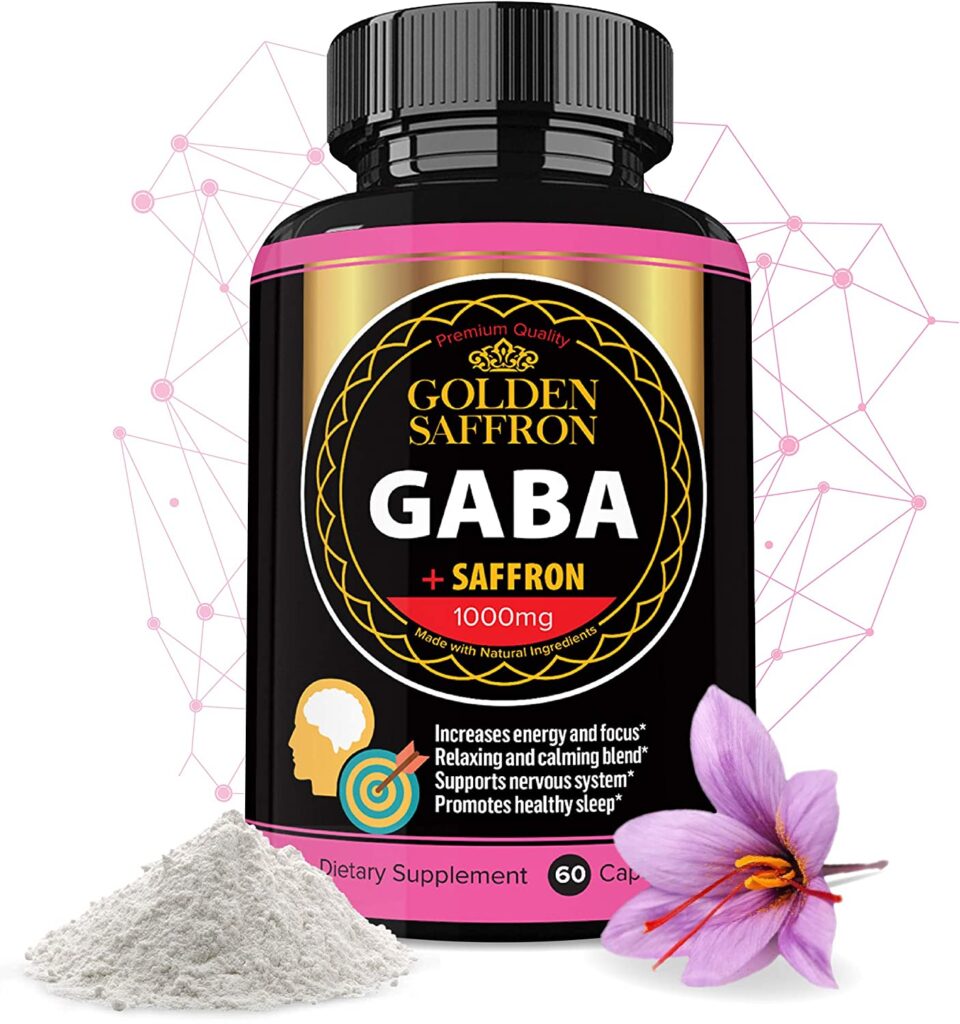
Saffron is a spice with antidepressant effects, which work by altering different chemicals and brain receptors. In essence, it inhibits the re-uptake of dopamine and norepinephrine, leading to increased levels of these two compounds in the brain. This can help combat ADHD symptoms, as research has found lower levels of dopamine and norepinephrine in those with ADHD. Medications such as stimulants (Ritalin and Adderall) also work by regulating the levels of dopamine and norepinephrine in the brain. Saffron also increases GABA, which has anti-anxiety effects.

Magnesium is an essential mineral that promotes brain function. Its bioavailability has the potential to influence neurotransmitter binding and receptor activation. Magnesium, for example, can boost serotonin transmission by increasing endogenous serotonin receptors (5-HT1A). Furthermore, magnesium regulates glutamate levels by blocking NMDA receptors. It also helps GABA’s calming effects by interacting with receptor sites. Magnesium tablets with vitamin B6, which boosts magnesium absorption, have shown potential in lowering ADHD symptoms. Because the body only absorbs 30% to 40% of dietary magnesium, supplementation is the most dependable strategy to enhance magnesium levels.
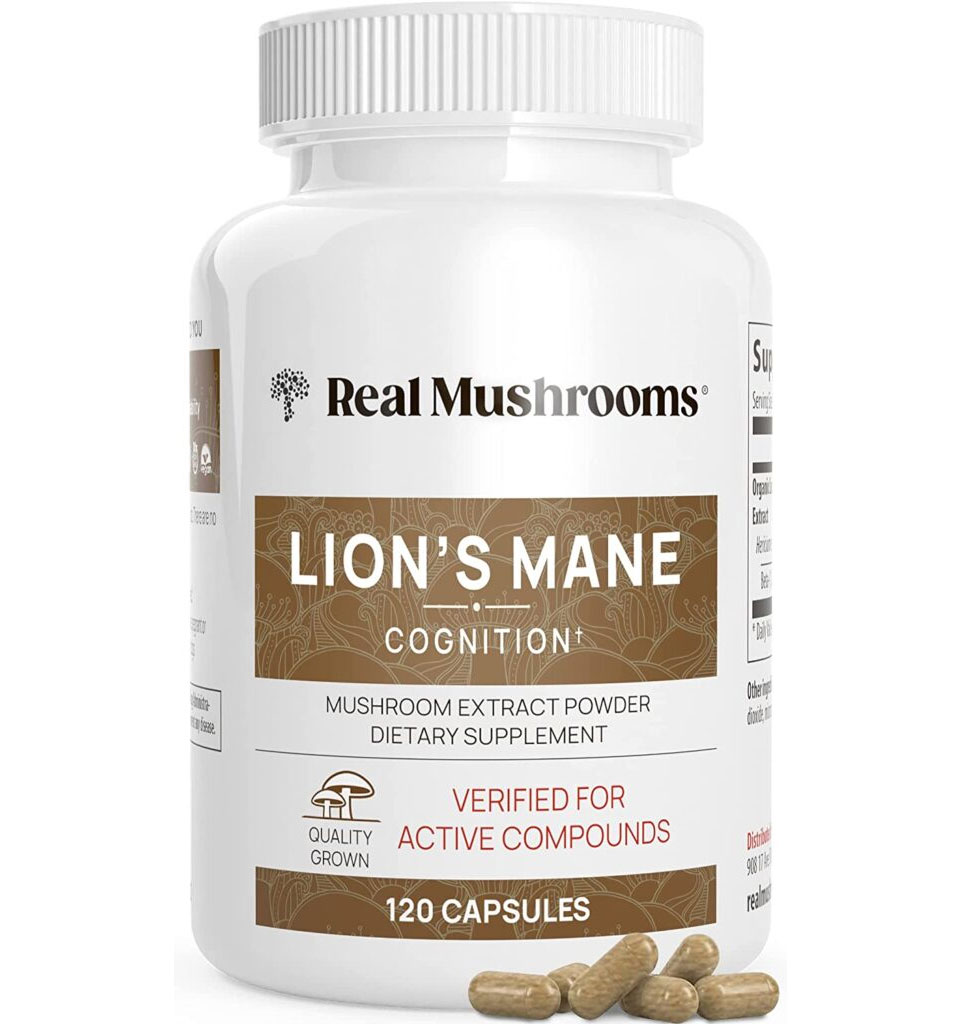
Lion’s Mane (Hericium erinaceus) is a medicinal mushroom known for its potential cognitive benefits. While research on the effects of Lion’s Mane specifically on Attention-Deficit/Hyperactivity Disorder (ADHD) is limited, some studies suggest it may have positive effects on certain ADHD-related symptoms. Lion’s Mane contains bioactive compounds like hericenones and erinacines, which have been found to stimulate the production of nerve growth factors in the brain. Studies have shown that Lion’s Mane works in the brain to modulate neurotransmitters such as dopamine and serotonin which are released when we feel happiness.