

20 minutes a day can improve ADHD symptoms
The benefits of nature therapy for ADHD are well known. Utilizing this therapy should definately be part of a holistic wellness plan for those living with attention deficit.
Attention Deficit Hyperactivity Disorder, ADHD, is a neurodevelopmental disorder that is characterized by difficulties with focus, impulsiveness and hyperactivity. To date, there is no cure. Likewise, there is no one-size-fits-all approach to treating ADHD either. However, nature therapy is a promising new treatment that just might fit into nearly everyone’s ADHD wellness plan. It’s low cost and everyone can make the time to step outdoors and take in 20 minutes of the day.
Nature therapy, also known as ecotherapy, is a type of therapy that involves spending time in natural environments, such as forests, parks or gardens. Your own back yard or apartment balcony can work wonders too.
Spending time in nature has many well-documented benefits for mental health, including reducing stress, improving mood and increasing self-esteem. For people with ADHD, nature therapy can help to improve focus, concentration and impulsivity.
Research has shown that spending just 20 minutes in nature can improve symptoms of ADHD, and incorporating nature therapy into a comprehensive treatment plan can have long-lasting positive effects.
Nature therapy can take many forms, including hiking, gardening, camping or simply sitting in a peaceful outdoor space. It provides a sensory-rich environment that can help soothe the hyperactive and overstimulated brain of someone with ADHD. Being in nature can also help regulate the circadian rhythm, which can improve sleep and promote overall well-being.
Ecotherapy can be used in conjunction with an array of ADHD treatments, such as medication and other holistic therapies, such as yoga and meditation, to provide a holistic approach to managing the condition. It is also a low-risk and cost-effective option, making it accessible to a wide range of people.
Understand first
ADHD is a complex condition that can manifest differently in different people. In general however, people with ADHD have difficulty focusing, can be easily distracted and get quickly pulled off course. They often have difficulty controlling their impulsivity. While some experience hyperactivity, others do not. So don’t let the ‘H’ confuse you.
ADHD can, and often does, impact a person’s ability to live their best life and perform everyday tasks. It is important to note that ADHD is not caused by a lack of motivation or effort, but rather by a discrepancy between a person’s level of interest and how well they can focus on a task. This discrepancy can cause significant disruption in daily life, making it difficult for a person to focus on what’s important to them.
It is possible however to successfully manage ADHD symptoms with a combination of medication, lifestyle changes, mental health treatments and behavior therapy.

Connect to the earth you live on
Nature therapy is becoming increasingly popular as one of those way to help manage the symptoms of ADHD and has been shown to have beneficial effects on ADHD symptoms. This form of therapy is based on the idea that nature, the natural world, can help people with ADHD feel calmer, more focused and more able to regulate their emotions.
Research has shown that spending time outdoors reduces stress, increases feelings of well-being and strengthens concentration. Additionally, nature offers an array of sensory stimuli such as sunlight, wind, and the smells of trees, grass, and flowers. This can be beneficial for people with ADHD, as sensory input can help them to focus and better regulate their behavior.
There is also evidence that being in nature can help people with ADHD to feel more connected to the world around them. Nature offers a sense of peace and tranquility and can help people with ADHD to feel grounded and in control. This can be particularly helpful for those with ADHD, because they often feel overwhelmed by their symptoms and disconnected from the world.
Finally, nature offers the opportunity for physical activity, which can help to reduce stress, release endorphins, and improve concentration. Exercise can also improve cognitive function and help people with ADHD to better regulate their emotions and behavior. And just being outdoors is a form of exercize that can do nothing but help.

Release those endorphins
Spending time in nature can help reduce stress and increase feelings of well-being, while sensory stimuli such as sunlight, wind, and smells can help people with ADHD to focus and better regulate their behavior. Additionally, physical activity in nature can help people with ADHD to release endorphins.
Endorphins are chemicals (hormones) your body releases during pleasurable activities such as exercise, massage, eating and sex too. Endorphins help relieve pain, reduce stress and improve your sense of well-being.
When you walk, run, jump rope, play hopscotch or do 10 squats, your brain is making a few moves of it’s own. It’s busy releasing several very important chemicals.
Endorphins, the hormone-like compounds that regulate mood, pleasure and pain are released. That same burst of activity also elevates the brain’s dopamine, norepinephrine, and serotonin levels. These brain chemicals affect focus and attention, which are in short supply in those with ADHD.
– Regularly taking part in nature activities such as walking, hiking and camping can be a great way to help alleviate the symptoms of ADHD. Taking part in activities outdoors allows one to take advantage of the natural environment and its calming effects, while at the same time getting physical activity which can reduce stress.
– Nature also provides a safe and secure place away from distractions that can help people with ADHD to better concentrate on their tasks. When in nature, it can be easier to focus on your thoughts and feel closer to the natural world.
– Immersing yourself in nature is a great way to break away from one’s routine, which can help to reduce stress and anxieties. Taking part in nature therapy can help to reduce symptoms of ADHD, as it is often easier to focus when in a calm and peaceful environment.
– Nature can also provide a sense of connection and a feeling of being grounded. Being surrounded by nature can help people with ADHD to feel less overwhelmed by their symptoms, as well as to feel more connected to the world around them.
A Few Favorites To Get You Started

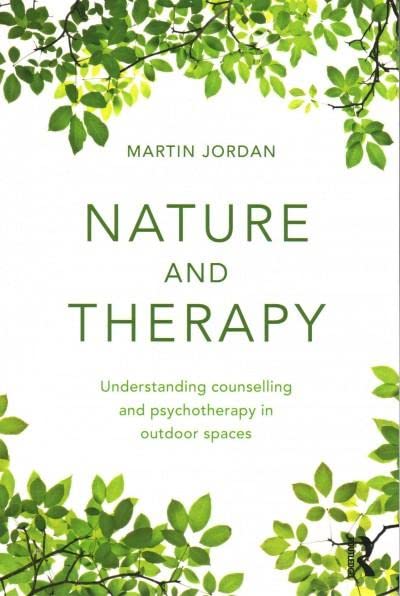
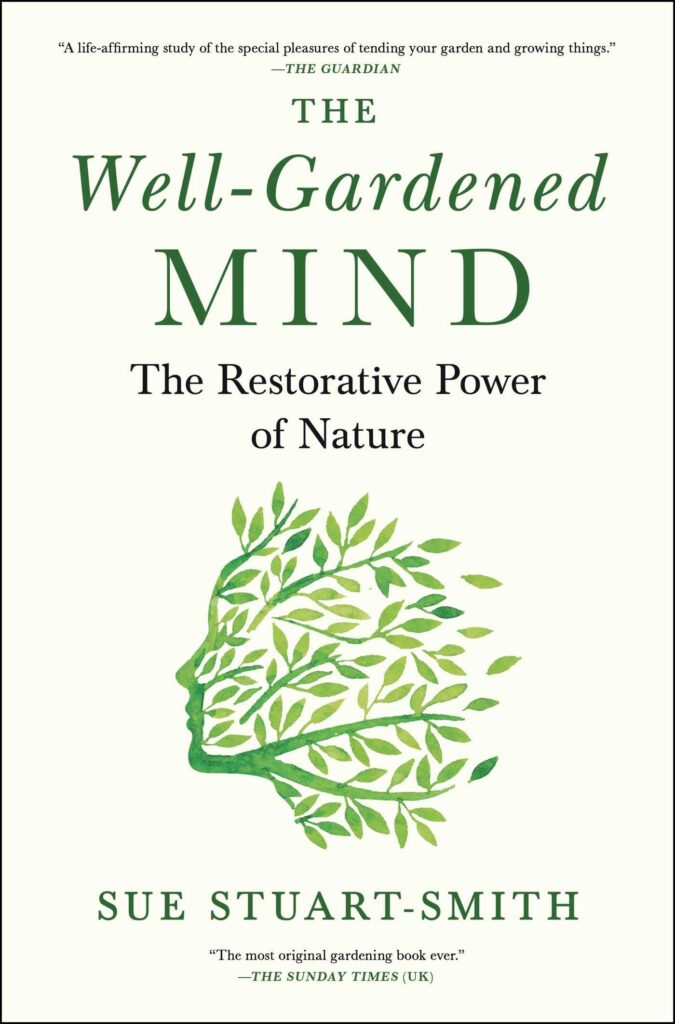
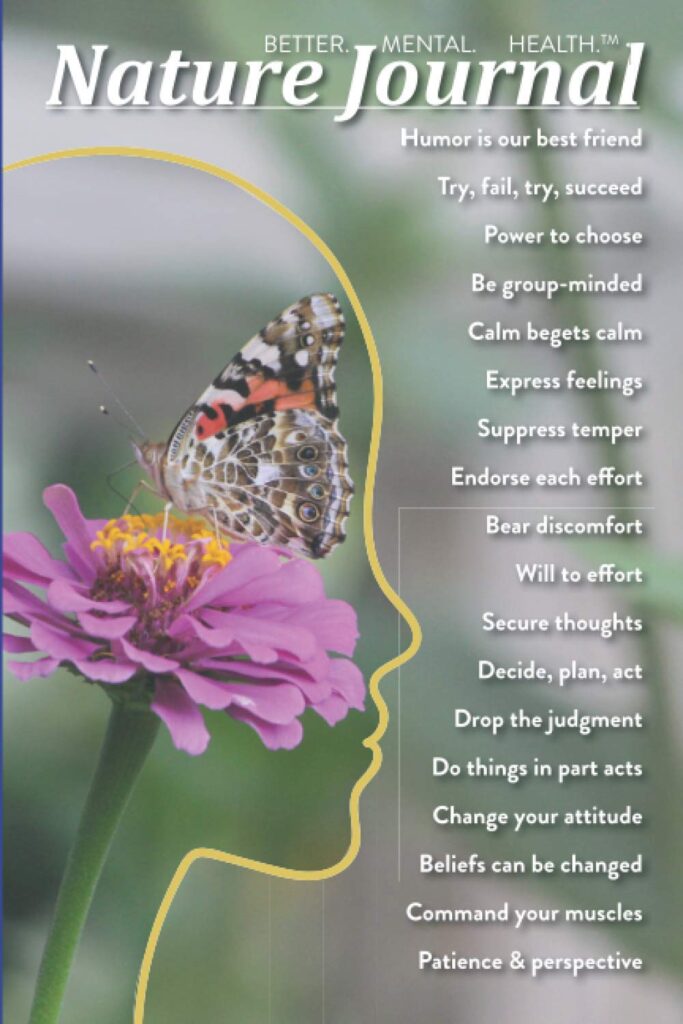
Get the facts
If you are interested in nature therapy for your ADHD, here are 5 tips to get started:
1. Start small: start by taking a few minutes each day to go outside and enjoy the natural environment, whether it is a walk around the neighborhood, a trip to the park or a hike in a nearby wilderness area.
2. Get creative: try to find creative ways to combine nature therapy with other activities. For example, if you enjoy reading, try finding a quiet spot in nature to read or do some journaling.
3. Make it social: nature therapy can also be a great way to connect with friends and family. Going on nature walks or hikes with your loved ones can be a great way to have meaningful conversations and bond.
4. Get physical: take advantage of the physical benefits of nature by engaging in some physical activity outdoors, such as running, swimming or biking.
5. Unplug: nature can be a great way to unplug and relax from the stressors of everyday life. Disconnect from technology and spend some time alone in nature to reconnect with yourself and the natural world.
Nature can be a powerful tool
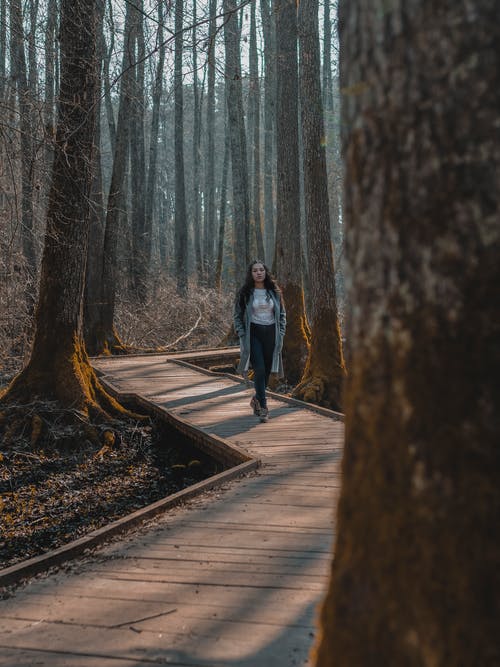
Studies have shown that spending time in nature can improve attention and reduce symptoms of ADHD, including hyperactivity and impulsivity. This may be due to the calming and relaxing effect that nature has on the body and mind. In addition, nature provides a natural stimulus that can capture and hold the attention of those with ADHD, allowing them to focus on their surroundings rather than their racing thoughts and distractions.
Nature also offers a peaceful and quiet environment that can be beneficial for those with ADHD who are easily overstimulated by noise and activity. In nature, there are fewer distractions and disruptions, allowing people with ADHD to recharge and reset their brains.
Overall, nature can be a powerful tool for managing ADHD symptoms and improving overall well-being. Whether it’s spending time in a park, hiking in the woods, or simply spending time in your backyard, the benefits of being surrounded by nature are numerous and can improve the lives of those with ADHD.
The latest studies
Research has shown that spending time in natural environments, such as parks and forests, can lead to a decrease in symptoms of ADHD, including improved attention, impulse control, and self-discipline.
This can be attributed to the fact that nature provides a stimulating environment that allows for passive attention, which is the ability to focus on something without consciously trying to do so. The sights, sounds, smells, and textures of nature can capture our attention without us having to make an effort, leading to a natural state of calm and relaxation.
Furthermore, being in nature reduces sensory overload and overstimulation, which can be overwhelming for people with ADHD. The natural environment provides a gentle sensory experience that can help regulate emotions, calm the nervous system, and increase feelings of well-being.
Overall, spending time in nature can be a powerful tool for managing symptoms of ADHD and improving concentration and focus. Whether it’s a walk in the park, a hike in the forest, or simply sitting outside and enjoying the scenery, adding a dose of nature to your routine can provide numerous benefits for mental health and well-being.

Research has shown that spending time in nature can have numerous benefits for our mental and physical health. It can lower stress levels, reduce symptoms of depression and anxiety and improve overall well-being.
When we unplug from technology and immerse ourselves in nature, we allow our mind and body to slow down and reset. We can focus on our breathing, observe the sights and sounds around us and become more mindful of the present moment. This can help us feel more grounded and centered.
Taking a nature walk, going for a hike or simply sitting outside can be great ways to unplug and connect with nature. While it may be difficult to put down our phones and disconnect at first, the benefits of unplugging and spending time in nature can be truly transformative.

So what should you do right now
Research has shown that spending time in nature can reduce stress, improve mood, boost creativity and productivity and even enhance our immune system. It can also have a positive impact on mental health conditions such as depression and anxiety.
One way to incorporate nature into our daily routine is to create a green space in our home or office. This can be as simple as adding some potted plants or hanging a few succulents near a window. Not only do plants help purify the air and add some natural beauty to our surroundings, but they can also boost our mood and productivity.
Another way to connect with nature is to find outdoor activities that you enjoy. This could be anything from hiking or camping to gardening or birdwatching. Spending time in nature can help us escape from the stress of daily life and allow us to be in the present moment.
Finally, making a conscious effort to disconnect from technology and spend time away from screens can help us connect with nature and improve our overall well-being. Instead of scrolling through social media during our free time, we can take a walk in the park, go for a bike ride or simply sit and enjoy the natural world around us.
Incorporating nature into our daily routine doesn’t have to be complicated or time-consuming. By making small changes and becoming more mindful of our surroundings, we can improve our health, happiness and connection to the world around us.
A Few Favorites To Get You Started




As for those who struggle with ADHD, or any Mood Dysregulation Disorder for tha matter, nature has a powerful remedy to offer. Stepping into the great outdoors can provide a myriad of benefits those navigating a holistic wellness program and are fostering improved focus, reduced stress and enhanced overall well-being.
Spending time in nature provides a unique and stimulating environment that can help improve concentration and focus. Unlike indoor settings, the outdoors is rich in diverse sensory experiences, such as the sound of birds chirping, the scent of flowers and the feel of the breeze on your skin. This multisensory stimulation helps redirect attention and reduces distractions, allowing individuals with ADHD to better engage in activities and stay focused on the present moment.
Outdoor activities naturally encourage movement, making it an ideal environment for individuals with ADHD who often struggle with excess energy and restlessness. Engaging in outdoor pursuits like walking, hiking, biking or playing sports not only provides an outlet for their energy but also promotes the release of endorphins, which can improve mood, reduce anxiety and enhance overall well-being. Regular physical activity in natural settings has been linked to improved cognitive function and increased attention span for individuals with ADHD for years now.
Exposure to natural environments, such as parks, forests or gardens, has been shown to have a calming effect on the mind and body. The soothing sights, sounds and smells of nature help reduce stress levels and promote relaxation. For individuals with ADHD, who often experience heightened levels of stress and anxiety, spending time outdoors can serve as a natural stress management tool, helping to regulate emotions and promote a sense of inner calm.
Executive functioning refers to a set of cognitive processes responsible for organizing, planning, and problem-solving. These functions can be impaired in individuals with ADHD. However, spending time in nature has been shown to enhance executive functioning abilities. Natural settings offer opportunities for creative problem-solving, decision-making and practicing self-control. Engaging with the outdoors can enhance cognitive flexibility, impulse control and working memory, allowing individuals with ADHD to develop and refine these crucial skills.
Nature has a remarkable effect on our emotional well-being. Research suggests that spending time outdoors can lead to a significant reduction in symptoms of depression and anxiety. The tranquil and serene environment of the outdoors helps promote positive emotions, increase self-esteem and foster a sense of connection with the natural world. For individuals with ADHD, who may also experience co-occurring mental health challenges, the therapeutic benefits of nature can be particularly valuable.
The great outdoors offers a wealth of advantages for individuals with ADHD. From improved focus and reduced stress to enhanced executive functioning and better overall well-being, nature serves as a powerful ally in managing the symptoms and challenges associated with ADHD.
By embracing the natural environment and engaging in outdoor activities, individuals with ADHD can harness the transformative benefits of nature, leading to a more balanced and fulfilling life. So, step outside, breathe in the fresh air and embark on a journey of nature-infused healing and growth.