

Harnessing the Power of Exercise – Boosting Mental Health with Physical Activity
Exercise is a powerful tool that not only benefits our physical health but also has a profound impact on our mental well-being. Engaging in regular physical activity can be a key component of nourishing the mind and boosting mental health. In this article, we will explore the numerous benefits of exercise for mental well-being and how incorporating physical activity into your daily routine the can contribute to a healthier and happier mind.

Understanding the Mind-Body Connection
Recognize first that there is an intimate connection between our physical and mental health. It’s called The Body, Mind, Spirit Connection and refers to the profound interrelationship between these three dimensions of human existence. It recognizes that our physical bodies, mental faculties and spiritual essence are interconnected and influence each other in various ways. When these elements are in harmony and alignment, we experience a greater sense of wholeness, balance and vitality.
Physical activity stimulates the release of endorphins, neurotransmitters responsible for feelings of happiness and well-being. Exercise also promotes the growth and development of new brain cells, enhances brain function and improves cognitive abilities. By harnessing the power of exercise, you can nurture your mind and enhance mental resilience.
Understanding the mind-body connection is crucial for women with ADHD, bipolar disorder and/or rejection sensitive dysphoria (RSD) to support their holistic well-being. These conditions involve complex interactions between the mind and the body. Recognizing that emotional and mental states can impact physical health, and vice versa, empowers women to take a comprehensive approach to their well-being. Practicing mindfulness and self-awareness allows for the observation of thoughts, emotions and physical sensations without judgment.
Engaging in activities that promote relaxation, such as yoga or meditation, can help reduce stress and promote a sense of balance. Regular exercise supports both mental and physical health, releasing endorphins and promoting a positive mood. Nurturing the body with a balanced diet, adequate sleep and proper hydration contributes to overall well-being.
Additionally, addressing emotional needs through therapy, support groups or self-care practices can help manage symptoms and enhance emotional resilience. By recognizing and nurturing the mind-body-spirit connection, women can cultivate a holistic approach to their well-being, supporting their journey towards balance and optimal health.

The Impact of Exercise on Mood
Exercise can directly influence and improve your mood. Physical activity triggers the release of those endorphins, which can help reduce symptoms of depression, anxiety and stress. Engaging in exercise regularly, which is the key, can boost self-esteem, increase feelings of accomplishment and promote a positive outlook on life. Discover the types of exercises that you enjoy and find ways to incorporate them into your routine daily.
Engaging in regular physical activity has been shown to have a positive effect on mood and emotional well-being. Exercise, again stimulates the release of endorphins, which are natural mood boosters and can help reduce symptoms of anxiety and depression. It also promotes the production of neurotransmitters like serotonin and dopamine, which play a key role in regulating mood and promoting a sense of happiness and contentment.
Exercise can provide a healthy outlet for managing stress and pent-up emotions, allowing for emotional release and improved self-regulation. Whether it’s through aerobic activities, strength training, yoga or simply going for a walk, finding enjoyable forms of exercise that suit your personal preferences is important.
It’s also essential to approach exercise with a balanced mindset, focusing on the joy of movement rather than solely on achieving specific outcomes. By incorporating exercise into your daily routine, you can harness its mood-enhancing benefits and contribute to your overall emotional well-being.
A Few Favorites To Get You Started
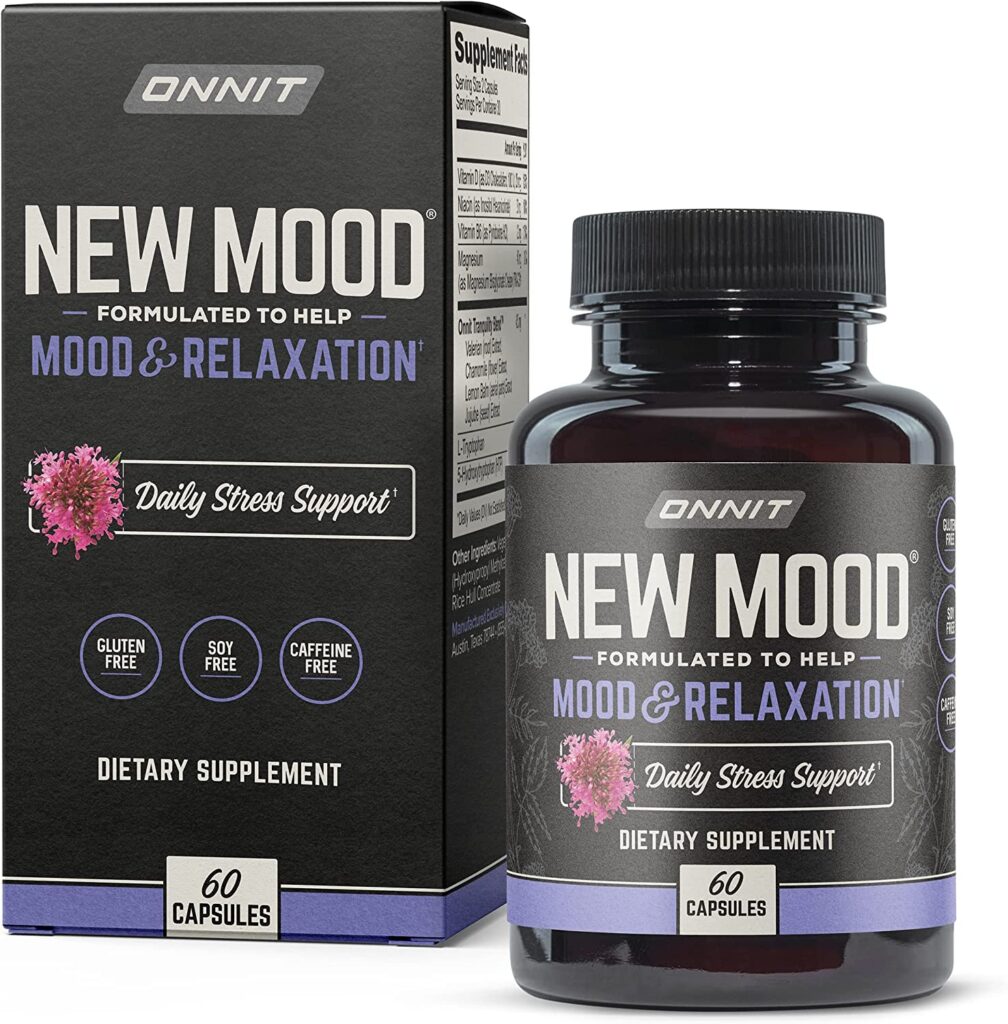
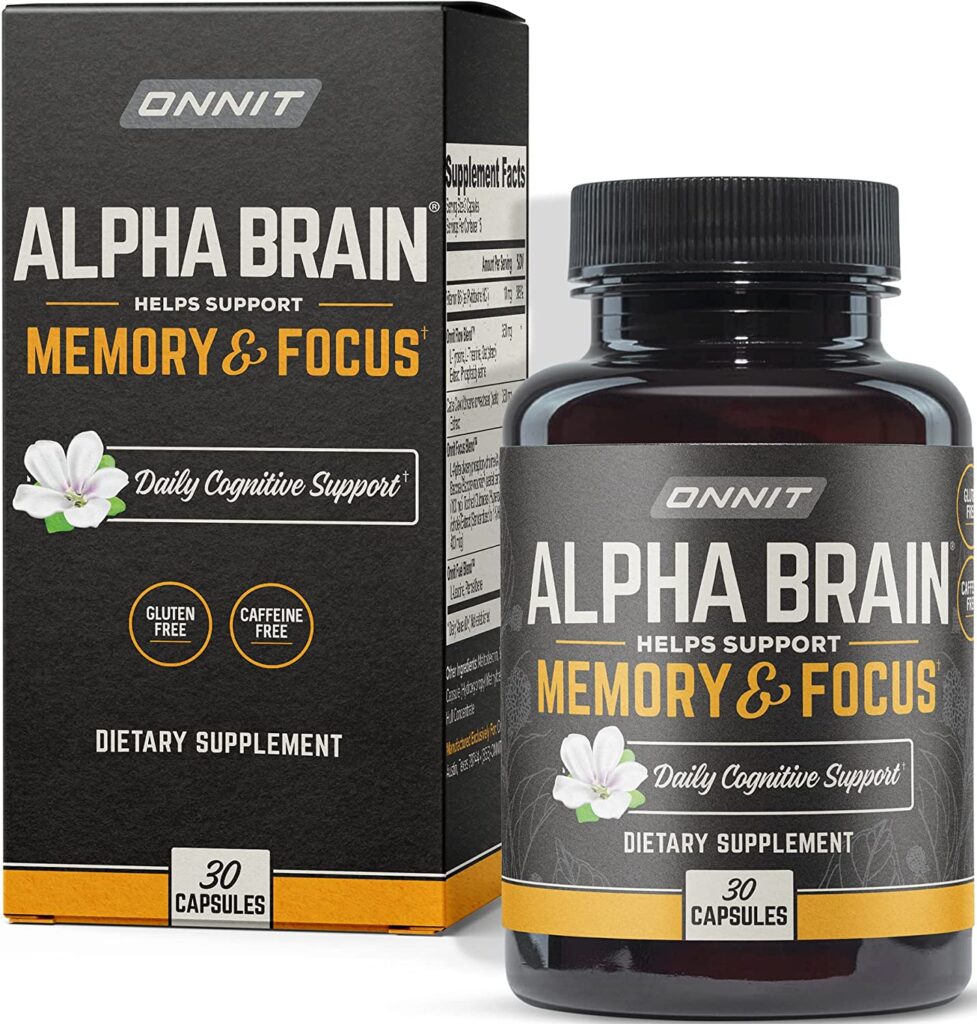


Stress Reduction and Emotional Well-Being
Exercise also serves as an effective stress management tool. Physical activity helps reduce levels of stress hormones such as cortisol and adrenaline. Regular exercise can also provide a healthy outlet for pent-up emotions and tension, promoting emotional well-being and relaxation. Explore different types of exercise, such as yoga, tai chi (my personal favorite), or mindful walking which combine movement with mindfulness for maximum mental health benefits.
Stress reduction and emotional well-being are vital for women with ADHD, bipolar disorder, and/or rejection sensitive dysphoria (RSD) to support their holistic health. These conditions can often heighten sensitivity to stressors and emotional triggers, leading to increased anxiety and mood fluctuations. Implementing effective stress management techniques is key to maintaining emotional balance. This may include practices such as mindfulness, deep breathing exercises, meditation or engaging in activities that promote relaxation and self-care.
Enhancing Cognitive Function
Exercise has been shown to enhance cognitive function, memory and overall brain health. By increasing blood flow to the brain, exercise nourishes brain cells, promotes neuroplasticity and improves cognitive abilities such as attention, concentration and problem-solving. Incorporate aerobic exercises like running, swimming or cycling to reap these cognitive benefits and sharpen your mental acuity.
Enhancing cognitive function is an important aspect of supporting the well-being of women with ADHD, bipolar disorder, and/or rejection sensitive dysphoria (RSD). These conditions can often impact cognitive processes such as attention, memory and executive functioning. Implementing strategies to support cognitive function can improve daily functioning and overall quality of life. Creating a structured environment with clear routines and organization systems can help manage cognitive challenges associated with these conditions.
Developing effective time management skills, breaking tasks into smaller steps and utilizing reminders and visual aids can support attention and focus. Incorporating brain-boosting activities such as puzzles, brain-training exercises and reading can stimulate cognitive function. Likewise, regular exercise has also been shown to enhance cognitive abilities by increasing blood flow to the brain and promoting the growth of new neurons.
Prioritizing quality sleep, proper nutrition and hydration are also essential for optimal cognitive function. Additionally, mindfulness practices and stress reduction techniques can improve cognitive performance by reducing distractions and promoting mental clarity. By addressing cognitive function holistically, women can support their ability to navigate daily tasks, improve cognitive abilities and enhance overall well-being.

Building Resilience and Mental Strength
Engaging in regular, routine exercise builds resilience and mental strength, enabling you to better cope with life’s challenges. Physical activity teaches discipline, perseverance and the ability to push through obstacles. As you set and achieve fitness goals, you develop a sense of accomplishment and self-efficacy that translates into other areas of life. Embracing exercise as a tool for personal growth and mental resilience is a great place to start.
Building resilience and mental strength is a crucial aspect of holistic well-being for women with ADHD, bipolar disorder, and/or rejection sensitive dysphoria (RSD). These conditions can bring unique challenges that require a strong foundation of resilience and mental fortitude to navigate effectively. Building resilience involves developing coping mechanisms, adaptive strategies and a positive mindset to bounce back from setbacks and manage stress.
Engaging in activities that promote self-care, such as exercise, mindfulness and creative outlets, can help foster resilience and emotional strength. Seeking support from trusted individuals, whether through therapy, support group, or close relationships, can provide valuable guidance and encouragement. Practicing self-compassion and reframing negative thoughts can help cultivate a resilient mindset.
Additionally, embracing personal growth opportunities, setting realistic goals and celebrating small victories can build confidence and mental strength. It’s important to remember that building resilience is an ongoing journey and setbacks should be viewed as learning experiences rather than failures. By intentionally focusing on building resilience and mental strength, women can enhance their ability to navigate the challenges of these conditions, cultivate a sense of empowerment and thrive in their lives.
A Few Favorites To Get You Started
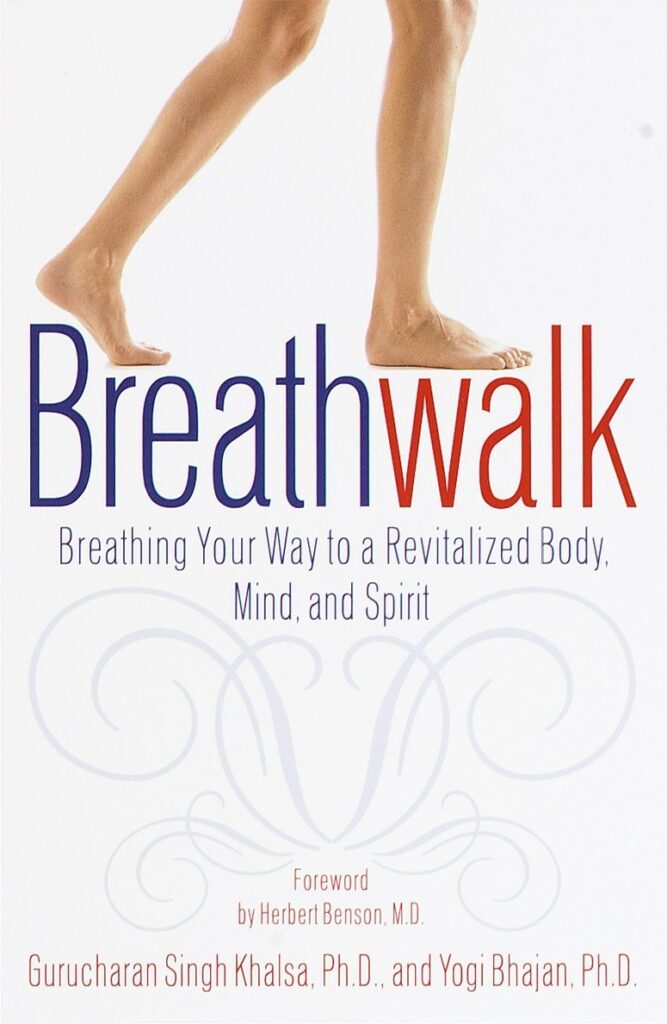
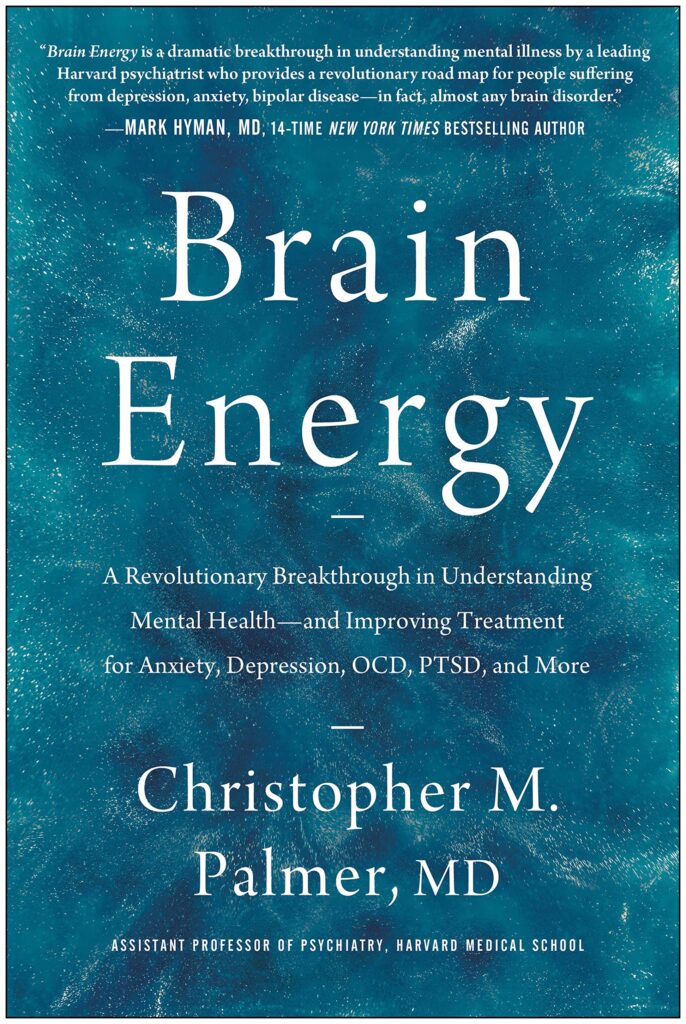

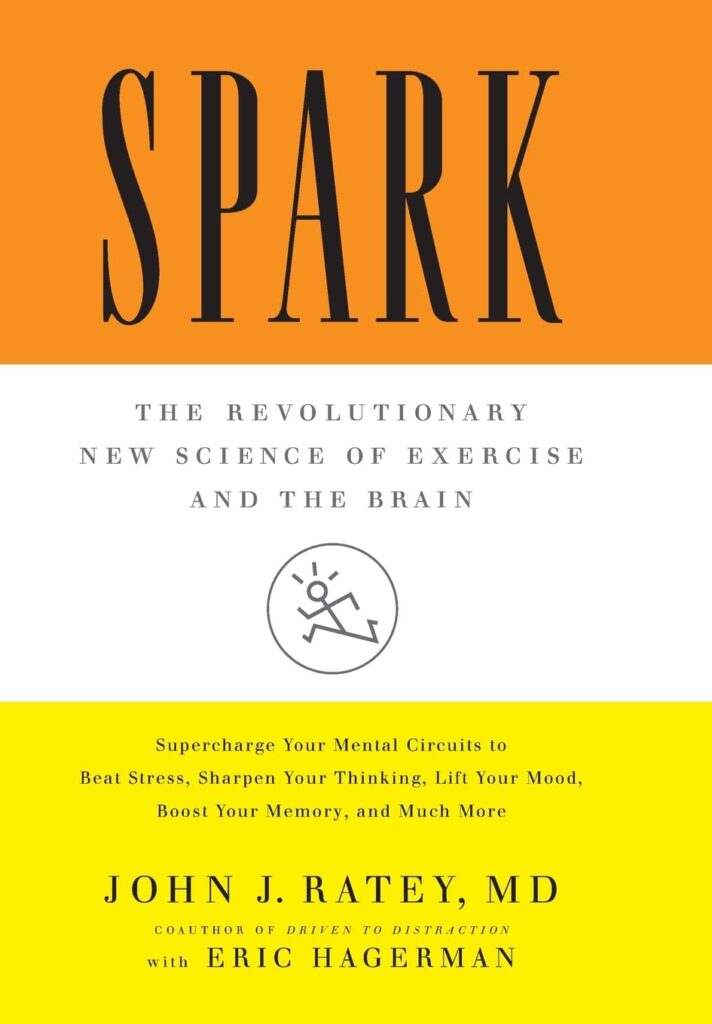

Social Connections and Support
Participating in group exercise classes or team sports provides opportunities for social connections and support. Interacting with others who share similar interests can enhance feelings of belonging, boost mood and provide a support network. Consider joining local fitness groups, sports clubs or exercise classes to combine the benefits of physical activity with social interaction.
Social connections and support play a vital role in the holistic well-being of women with ADHD, bipolar disorder, and/or rejection sensitive dysphoria. These conditions can often lead to feelings of isolation, emotional sensitivity and difficulty in forming and maintaining relationships. Cultivating social connections can provide a sense of belonging, understanding and validation. Seeking support from trusted individuals, such as friends, family or support groups, can provide a safe space to share experiences, receive guidance, and gain valuable insights.
Engaging in activities or hobbies that involve like-minded individuals can foster connections and a sense of community. It is important to establish healthy boundaries and communicate openly about individual needs within relationships to maintain emotional well-being. Developing self-advocacy skills helps ensure that support networks understand specific challenges and can provide appropriate assistance. Online communities and forums can also be valuable resources for connecting with others who share similar experiences. By actively nurturing social connections and seeking support, women can create a strong support network that enhances their emotional well-being, fosters understanding, and promotes a sense of belonging.

Incorporating Exercise into Your Routine
Discover practical means of incorporating exercise into your daily life. Find activities that you enjoy and that align with your preferences and physical abilities. Start with small, manageable goals and gradually increase the intensity and duration of your workouts. Experiment with different types of exercise to keep it interesting and maintain motivation. Remember, consistency is key, so strive for regular physical activity to experience the maximum mental health benefits.
Incorporating exercise into your routine is essential for women with ADHD, bipolar disorder, and/or rejection sensitive dysphoria (RSD) to support their overall well-being. Exercise offers numerous physical and mental health benefits, including improved mood, reduced anxiety and depression symptoms, increased energy levels, and enhanced cognitive function.
To make exercise a regular part of your routine, it’s important to find activities that you enjoy and that align with your preferences and abilities. Whether it’s engaging in cardio exercises like jogging or cycling, practicing yoga for mindfulness and flexibility or participating in team sports for social interaction, finding activities that are enjoyable and sustainable is key.
Start with small, achievable goals and gradually increase the intensity and duration of your workouts as you build strength and stamina. It can be helpful to schedule exercise sessions into your weekly routine, treating them as non-negotiable appointments with yourself.
Additionally, seeking support from workout buddies, joining fitness classes or working with a personal trainer can provide motivation and accountability. Remember to listen to your body, take rest days when needed and modify exercises as necessary.
By incorporating regular exercise into your routine, you can experience the physical and mental health benefits that contribute to a balanced and thriving lifestyle.

Create Your Exercise Wellness Plan
Living with ADHD, bipolar disorder and/or rejection sensitive dysphoria can be challenging, but incorporating something as simple as regular exercise into your routine can make a significant difference.
Let’s explore exercises and activities that are particularly beneficial for adults with emotional dysregulations, delve into how exercise can help calm many symptoms and highlight the natural strengths and high dopamine activities.
Physical Exercises:
- a. Cardiovascular exercises: Activities such as jogging, swimming, cycling and brisk walking increase blood flow, boost energy levels and enhance cognitive functioning. Adding a small treadmill or stationary bike to your wellness arsenal will ensure you stay on schedule if weather is not co-operative. Ritual and routine are imparative. They do not have to be expensive, just present.
- b. Martial arts: Disciplines like karate, taekwondo and jiu-jitsu help channel excess energy while promoting self-control, focus and discipline.
- c. Yoga and Pilates: These practices combine gentle movements, breathing techniques and mindfulness, fostering relaxation, concentration and emotional well-being.
- d. High-intensity interval training (HIIT): This type of exercise alternates between short bursts of intense activity and brief recovery periods, effectively improving attention impulsivity and executive functions.
Calming Exercises:
- a. Mindfulness Meditation: This practice cultivates present-moment awareness, reducing stress, anxiety, and impulsivity.
- b. Tai Chi and Qi Gong: Gentle, flowing movements and focused breathing promote relaxation, balance, and mental clarity. I highly recommend Tia Chi. Tia Chi is an anciet art form that encompaces the body, mind, spirit connection I spoke about. There are five styles to explore.
-
- Chen: This odest style, incorporates martial arts elements with kicks, punches and jumps.
- Yang: This style features a slower, more graceful flow of movements and focuses on balance.
- Wu: features more forward and backward leaning movements.
- Sun: Is more dance-like with an emphasis on footwork.
- Hao: Rarely practiced today, hones in on qi (the life force).
- c. Progressive muscle relaxation: By systematically tensing and relaxing different muscle groups, this technique helps alleviate physical and mental tension, allowing for increased focus.
- d. Deep breathing exercises: Controlled breathing techniques, such as diaphragmatic breathing, have a calming effect on the nervous system, reducing restlessness and enhancing mental clarity.
ADHD-friendly Activities:
- a. Team sports: Engaging in team sports like soccer, basketball or volleyball can enhance social skills, boost self-esteem and improve focus through structured gameplay.
- b. Outdoor activities: Exploring nature, hiking, gardening or simply spending time in green environments can reduce symptoms by providing a peaceful and stimulating setting. Nature Therapy offers extreme benefits for women suffering with ADHD, Bipolar disorder and/or Rejection Sensitive Dysphoria.
- c. Creative pursuits: Activities like painting, writing, playing a musical instrument or engaging in crafts can serve as outlets for self-expression, improve focus and foster a sense of accomplishment. There are groups everywhere that are craft oriented. Find one that has the same interests as you and join. Or go to the local arts center and see what might interest you there. The point is that there’s a whole world of self expression out here that offer wonderful opportunities.
- d. Mind-engaging games: Board games, puzzles and strategy-based activities challenge cognitive skills, strengthen problem-solving abilities and enhance sustained attention. And they can be fun. Create a game night with friends or family and have a hygge night that will be healthy and entertaining.
Overcoming Challenges:
While people with ADHD, Biploar Disorder and/or Rejection Sensitive Dysphoria may face certain barriers to exercise, such as difficulty with organization and consistency, personalized strategies can help overcome these challenges. Setting clear goals, creating structured routines, finding an exercise buddy or seeking professional guidance can all contribute to a successful exercise regimen.

Incorporate Exercise Into Your Day
Incorporating exercise into your everyday life can have a transformative impact on mental health, particularly for individuals with ADHD, bipolar disorder and/or rejection sensitive dysphoria. By finding ways to naturally integrate physical activity, managing a busy schedule, and starting with small, achievable steps, you can harness the power of exercise to enhance your well-being. Remember, consistency and self-compassion are key. Embrace the journey of integrating exercise into your life and reap the rewards of improved mental health.
So how can one incorporate exercise naturally into their life?
Incorporating exercise naturally simply means finding ways to infuse physical activity seamlessly into your everyday life. Opt for activities that you genuinely enjoy, as this will increase your motivation and adherence. Consider integrating exercise by:
- Taking active breaks: Incorporate short bursts of physical activity throughout your day. It could involve stretching, going for a walk or doing some quick exercises. This is where that small treadmill or stationary bike comes into play. It’s right there and easy enough to step onto for ten minutes or peddle a few miles without having to leave the space you are in.
- Scheduling your exercise sessions: Treat exercise as an essential appointment and block out dedicated times on your calendar. Make it a non-negotiable part of your daily routine. Every morning, from 7 to 7:20 you walk Rover. Or every afternooon you walk on your treadmill while you watch you favorite soap opera. You get the idea. Don’t try rearranging the natural order of things, go with the flow.
- Multi-tasking: Combine exercise with other activities. For instance, listen to an audiobook or educational podcast while walking or jogging.
Now I do understand that starting an exercise plan may seem daunting, but taking small, gradual steps can help you establish a sustainable practice. Start by setting realistic goals. Begin with achievable goals that align with your current fitness level and preferences. Start with a manageable duration and intensity, gradually increasing over time.
Find an accountability partner if you can and together you will both reap the harvest of : Engage a friend, family member, or join a fitness community to help you stay motivated and committed to your exercise routine.
- Seek professional guidance: Consult with a healthcare professional or a certified fitness trainer who can provide personalized advice and design an exercise plan that suits your specific needs and conditions.
Balancing a busy lifestyle with exercise requires planning and prioritization.