

ADHD in Layman’s Terms
Attention Deficit Hyperactivity Disorder (ADHD) is a mental health condition in which someone has difficulty paying attention, controlling impulsive behaviors and exhibiting hyperactivity. This condition is most commonly diagnosed in children, however, can, and often does, last into adulthood. Understanding ADHD, and finding effective ways to manage symptoms, or alleviate them altogether, is essential for individuals to live a successful and satisfying life.
ADHD is characterized by three different types of behaviors: inattention, impulsivity and hyperactivity. Those with attention deficits may exhibit poor focus or concentration, trouble paying attention to details and following directions or difficulty completing school or work assignments. People who experience impulsivity may be quick to blurt out answers, interrupt or act without thinking about the consequences. Finally, those who are hyperactive may talk excessively and energetically, fidget or squirm or find it hard to sit still for long periods.
Common symptoms include difficulty paying attention, restlessness, impulsiveness, procrastination, difficulty following instructions, knowledge retention issues, disorganization, daydreaming, difficulty sustaining focus, being easily distracted and difficulty managing time.

It’s highly individualized
Due to the different possible manifestations of ADHD, treatment is highly individualized and can vary. Generally, the first line of treatment includes medication and/or behavioral approaches. Medications are typically used to improve concentration and focus while helping to reduce impulsivity and hyperactivity. Depending on the individual, the doctor may prescribe one or more medicines such as Adderall, Ritalin or Concerta. Behavioral approaches may include cognitive-behavioral therapy (CBT) or psychotherapy in order to help understand and manage their behavior.
In addition to conventional approaches to managing ADHD, there are several natural remedies that may be relied upon in conjunction with medications. Exercising regularly, sleeping enough, eating a healthy and balanced diet and practicing mindfulness can all help to support the individual in dealing with some of the symptoms of ADHD. Spending time in nature, talking with friends, doing something creative and avoiding stimulants like caffeine may also provide some relief. Ultimately, it is important for those with ADHD to find what works best for them, in order to improve their overall life satisfaction.

First and foremost
Of course it goes without saying, but I will say it anyway, always enlist your personal health care provider when concerned with any personal health care issues. ADHD should always first be diagnosed by your doctor and a treatment plan should always be between the two of you. Open communication with your physician will be the first right move in the right direction.
The next best move is to invest in your own wisdom. No one knows you better than you and quite frankly you are about to discover that you probably don’t know you all that well either. So start educating yourself. Start slow but definitely start figuring out which of these symptoms are unique to you. The trick is to begin dissecting the where, when and how’s each of the symptoms relates to you personally.
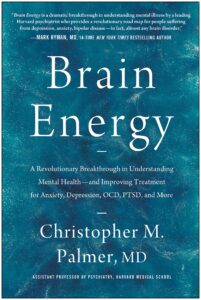
Immeditately read Brain Energy and look up the author. This doctor has a whole differant approach to mental illness. He strongly believes that these ‘mental problems’ come from a completely differant place. He believes they stem from poor metobolic health. This is a must read for anyone with ADHD, Bipolar Disorder and/or Rejection Sensitive Dysphoria.
ADHD in Layman’s Terms
A Few Favorites To Get You Started





Sounds so easy
I do realize how easy all of that sounds, but I also understand just how hard it can actually be. So start small and just walk through the process at your own pace. As you do, things will simply start changing in your favor. The more you know about yourself and your symptoms and the way you act or react to them will only improve over time. And that is an important fact to remember. This is a life long journey. ADHD is a part of you so take the steps necessary to live your best life. But also, and foremost, remember this small part of you does not define you or your capabilities to reach your dreams and aspirations.
The latest studies
Keeping up with the latest and greatest on the subject of ADHD is very important. When I began researching the topic, I realized that the sheer volume of data was overwhelming. But I also knew that inside that data (somewhere) was the answers to the questions that all people with ADHD need to know. Some of it was very scientific and so hard to read that comprehending it was mind boggling. And I have to admit, I quickly gave up. So, instead, I continued to search until I found the professionals I could understand and used them always as a cross reference.

Here are a few of my favorites, that I still follow on a daily. You can subscribe to many of them and their latest posts, finding and events will come straight to your email. So find the ones that work for you and start staying on top of the world you actually live in. The world of a woman with ADHD.
One of my favorites is Science Daily. Your source for the latest research news. Go to their home page and put ADHD in the search bar and off you go. You can read a plethora of data easily, comprehend it and remember it. It’s a website I have on speed dial (sorta speak).
Here’s a great post to get you started. It’s titled: Researchers link 27 genetic variants to ADHD.
It’s a fastinating read and will definately get you started on your own due diligence and your search to find the researchers and professionals you can relate to and understand.
Also try CHADD. This site too is wonderful for readable, digestable data on ADHD. You can join this organization, get in depth guides and learn about myths and misunderstandings about this disorder. Check out this article titled: Women and Girls. Informative, readable and easy to understand. It will give you a view of how they deliver their data. It could be just what you need.
And of course I am a constant reader of ADDitude magazine.
These are just a few sites that I follow. You too will find your favorites and learn to rely on their findings. So definately begin your research and start mastering this part of your life. It can only lead to better things to come.
And immeditately read Brain Energy and look up the author. This doctor has a whole differant approach to mental illness. He strongly believes that these ‘mental problems’ come from a completely differant place. He believes they stem from poor metobolic health. This is a must read for anyone with ADHD, Bipolar Disorder and/or Rejection Sensitive Dysphoria. Also, binge watch if you can, The Metabolic Link on you tube. You will also look at mental disorders in a whole new light.

So what should you do right now
First start with a promise to yourself. And that promise is to be patient with yourself. No matter how long you’ve been dealing with your ADHD, or have just been diagnosed, it’s important to remember to be compassionate with yourself. Self love and self care will soon be your closest companions. Remember you are not trying to change who you are, just tweek a very small part of the whole.
Secondly, get a journal and start learning to learn about you. If you have never journaled before, start simple. But we here at AlllNaturWell believe journaling is the right place to begin. Discovering who you truly are is a great aid in managing not only ADHD, but RSD and Bipolar Disorder as well. It’s a way to ‘take control’ of your situation and allows you to see certain patterns in your day to day that can be used (or un-used) when managing your mental health for the long haul.
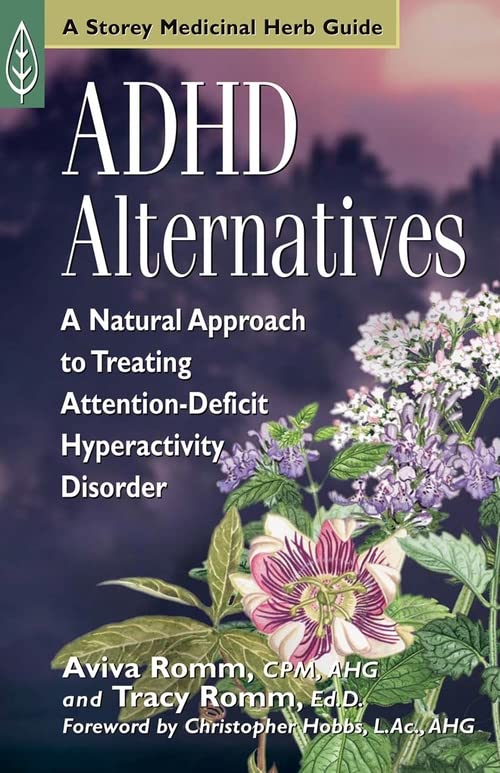
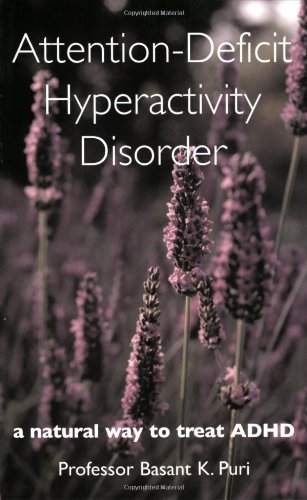
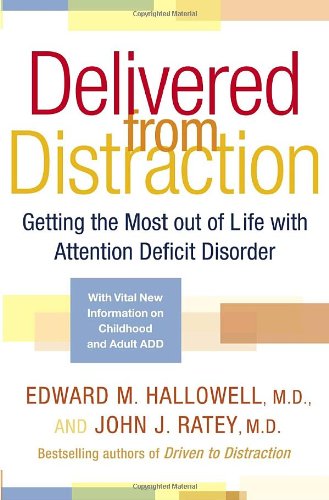
I’ve listed a few suggestions below but Amazon has a great variety when it comes to journals, diaries and planners. Again, if you have never journaled, start with something that gives you prompts and reminders. And don’t make it chore. Have fun with it. You might just be the most interesting person you’ll have the pleasure of knowing. So go ahead. Let the self discovery begin.
ADHD in Layman’s Terms
A Few Favorites To Get You Started
A little off topic
While I have you here let me add a few hints about ‘thoughts’ journaling. First grab a journal that feels good in your hand. (Here’s the one I use) And by that I mean one you can get attached to. This journal will soon become your best friend and closest confidante. Somedays you will write like a best selling author. Other days you will doodle because you have nothing to say. And that’s okay. Just make sure you go to that book everyday for your good mental health. And trust me, you will soon know eactly why.
With that said, when I first started researching neurodevelopmental disorders, which is what we are talking about when addressing ADHD, I began keeping notes on all the information I was suddenly taking in. And that was okay, and necessary, but I also quickly learned that I had to know far more about my son-in-law. (Read my About page to understand the whole story.) I needed to know about his daily actions, his diet, his habits, his sleeping routine – of which he had none – and so many little idiosyncrasies I hadn’t realized even existed. Without this data on a daily, I was simply stabbing in the dark. So I ask him to start keeping a very detailed account of everyday for one month. This data proved priceless. Patterns began to reveal themselves and a road to understanding his symptoms began falling into place. Dim little lightbulbs started popping on. And all with very little effort on his part.
So for the first thirty days after being diagnosed, whether that be ADHD, RSD or Bipolar Disorder, it would be wise to start understanding your own habits – both good and not so good. Write down everything you consume in a day and the time you ate it. Detail any symptoms – when they are heightened or drop off. Pay close attention to your water consumption. Detail the amount of caffine you take in. Record what time you retire to bed and what time you wake. How tired were you when you went to bed. Did you fall fast asleep or was it a restless night. Did you rise in a good mood? Bad mood? Dragging or hopping right into the day? What did you eat for breakfast. Did you leave for work on time? You get the idea. Every move is relevant. Literally.
But just as important, maybe more important in fact, is writing down your ‘thoughts’ on the day.
With that said, I do believe, that for many of us anyway, spending time exploring who you truly are in your day to day, can only lead to a healthier body, an eased mind and a content spirit. A combination that each of us is looking for. Learning to journal, and taking the results seriously, is one of those necessary ‘small changes’ that need to be put into place for the whole self wellness.


What’s a body to do
Now that we’ve covered Bipolar Disorder and the need for calulated sleep in layman’s terms, definately dive deeper on a daily basis. Make it part of who you are. Create the habit of reading one relevant article, study or email on the subject daily. Now that’s not to say they will all be relevant to you, but it will force the situation where you stay tuned into the subject. All it might take is one relatable story to reveal a secret that makes your life easier and more enjoyable. And what’s a few minutes spent everyday reading a few thousand words that could deliver a tip, trick or study that could add to the peace and joy in your life.
And write, write, write. Get a journal and start your story today. I am not kidding when I say you are probably a stranger to yourself and have been most of your life. You took on what others may have said about you, knowing full well their words were wrong but not knowing how to explain they were. And so you just let it ride and somehow became (and accepted) what those words represented. Over time, and hearing these words often enough, makes one buy into the line and believing such brings on the new problem of low self esteem, shame and embarrassment. It’s only after a accurate diagnosis of Bipolar Disorder that everything comes into focus. By that time however, much of the damage has been done and is often difficult to unlearn. But journaling is your key to freedom.
And last be not least, experiment with your own sleep hygiene. By that I mean, try making a few small changes in your sleep routine and see what happens. Write your journal, read your journal and implement the obvious changes that need to be made. Navigate through your journey, don’t let the waves just move you along.
And before we go any further, you must give everything a fair fighting chance to work. Four days to see if a suppliment has any effect on you is not a fair shot. Changes take time to cause results. Like a long time. Remember you have been Bipolar most of your life. So adding a suppliment – which I promote heavily at times – will take a bit of time to take hold. So, when you decide to add (or subtract) something to or from your life, make a vow to follow through for 365 days before deciding to retain or abort the action.
Anyway, as I was saying, experiment a bit. Let’s say you have a terrible habit of getting into bed and immediately grabbing the phone and start scrolling TicTok. Now don’t get me wrong, I love TicTok too, but there is nothing on there that can’t wait until you’ve allowed your body to rest and rejuvinate itself. Afterall, you now know all the important things that take place when you sleep. Instead learn to ‘retire from your day‘, create a plan, work your plan and get the most out of your sleep.
The bottom line is that now that you know your situation, take control of it, master it and keep going. Women with ADHD, RSD and Bipolar Disorder have made great strides in their worlds and so can you. Learn to learn about you and the sky’s the limit.
Just A Personal Side Note: In all fairness, there’s is a whole lot more to getting a reign on your Bipolar Disorder. It takes a lot of research, soul searching and self discovery. And it takes a lot of adjusting and a whole lot of time and patience. My son-in-law was quite reluctant in the beginning but as I made suggestions, according to research I could show him, he did help himself by complying to my requests. I bought him a few suppliments I thought would help and my daughter started presenting differant meals to improve their diets and they created a bedtime ritual, that quite frankly benefitted both of them. I bought them a ‘thoughts’ journal and a ‘food’ journal and together they wrote his story. About 6 months into it, he himself realized just how much better he was feeling. His aches were lessening, he was actually sleeping 8 hours a day and he’d lost a conciderable amount of weight. His mind was not racing as much, his spirit was content and having a day filled with rewarding habits seemed to be the beginning of healing. Now although his diagnosis turned out to be way off the mental dysregulation path, did not seem to change things. He was already on the right path to being the happy, carefree young man he once was. A year later, still following the game plan they had created for themselves, their family is happy, healthy and thriving. All because he took control of his situation by educating himself and following through with life changes that absolutely made all the differance.