
Journaling for Healing: Unlocking Emotional Well-being

Journaling for Healing: Unlocking Emotional Well-being

Journaling is a powerful and accessible tool that can aid in the healing process and unlock emotional well-being. By putting pen to paper and expressing your thoughts and feelings, you create a safe space for self-reflection, introspection and emotional exploration. In this article, we will delve into the therapeutic benefits of journaling and how this practice can help you unlock emotional healing and cultivate a greater sense of well-being.

Understanding the Healing Power of Journaling

Gain insight into why journaling is a valuable practice for emotional healing. By writing down your experiences, emotions and thoughts, you externalize them, making them tangible and easier to process. Journaling provides a non-judgmental space to explore your inner landscape, uncover patterns and gain a deeper understanding of yourself.

Understanding the healing power of journaling is crucial for women with ADHD, bipolar disorder and/or rejection sensitive dysphoria (RSD). Journaling provides a therapeutic outlet for expressing thoughts, emotions and experiences, allowing for self-reflection and self-awareness. It offers a safe and non-judgmental space to process and make sense of the challenges associated with these conditions. By putting pen to paper, women can gain insights into their patterns of thought, triggers and emotions, which can contribute to a deeper understanding of themselves.

Journaling can also serve as a tool for tracking mood fluctuations, identifying potential triggers and monitoring progress over time. Additionally, it promotes self-compassion, as women can offer themselves understanding and support through their own written words.

Whether it’s free writing, gratitude journalin, or specific prompts, journaling can empower women to navigate their experiences with greater emotional clarity and resilience.

Creating a Sacred Writing Space

Set the stage for effective journaling by creating a sacred writing space. Choose a quiet and comfortable environment where you feel safe and can focus without distractions. Consider incorporating elements that promote relaxation and mindfulness, such as soft lighting, calming music or aromatherapy. Designate this space as a sanctuary for your journaling practice.

Creating a sacred writing space can be a powerful practice for women with ADHD, bipolar disorder, and/or rejection sensitive dysphoria (RSD). This space serves as a dedicated and nurturing environment where they can engage in therapeutic writing and self-expression. Designating a specific area or corner in their home that is quiet, clutter-free and free from distractions can help cultivate a sense of focus and calmness during the writing process. Adding elements that evoke tranquility, such as soft lighting, comfortable seating, soothing scents or calming music, can further enhance the sacredness of the space.

By intentionally setting aside this sacred writing space, women can create a sanctuary that invites a sense of peace, creativity and self-compassion. It becomes a safe haven where they can freely explore their thoughts, emotions and experiences without judgment or interruption.

Regularly spending time in this space can provide a consistent and supportive environment for therapeutic writing practices, helping women with ADHD, bipolar disorder and RSD harness the healing power of their words and promote emotional well-being.

Freewriting

Embrace the practice of freewriting, which involves writing continuously without judgment or self-censorship. Allow your thoughts and emotions to flow freely onto the page. Don’t worry about grammar, punctuation or coherence. The goal is to bypass your internal filters and access your subconscious mind, uncovering hidden emotions and insights.

Freewriting is a valuable practice for women with any emotional dysregulations. It involves writing without constraints or self-censorship, allowing thoughts and emotions to flow freely onto the page. Freewriting can serve as a powerful tool for self-expression, introspection and emotional release.

For women with ADHD, it can help harness their creativity and improve focus by providing an outlet for their racing thoughts.

For those with bipolar disorder, it can be a means to track mood fluctuations and gain insights into triggers or patterns.

For individuals with RSD, freewriting offers a safe space to explore and process intense emotions related to rejection or criticism.

By engaging in freewriting regularly, women can access their inner voice, gain self-awareness and cultivate a greater understanding of their unique experiences. This practice allows for self-reflection, clarity and personal growth, contributing to their overall well-being and personal empowerment.

Emotional Release and Processing

Use journaling as a tool for emotional release and processing. Write about experiences or events that have triggered strong emotions within you. Allow yourself to fully express and validate those emotions without judgment. Journaling serves as a safe outlet for releasing pent-up feelings and can help you gain clarity and perspective on challenging situations.

Emotional release and processing are vital practices for women with ADHD, bipolar disorder, and/or rejection sensitive dysphoria (RSD). These conditions can generate intense emotions and inner turmoil, making it essential to find healthy ways to release and process them. Engaging in activities such as journaling, mindfulness, art therapy or physical exercise can provide outlets for emotional expression and release.

These practices allow women to connect with their emotions, explore their underlying causes and find constructive ways to cope with them. Seeking support from therapists, support groups or holistic practitioners can also provide valuable guidance in navigating emotional challenges.

Identifying Patterns and Triggers

Journaling allows you to identify patterns and triggers that may be contributing to emotional distress. By regularly recording your thoughts and experiences, you can spot recurring themes, triggers and patterns of behavior. This awareness empowers you to make conscious choices and implement strategies to break negative cycles and cultivate emotional well-being.

Recognizing these patterns can help women gain a deeper understanding of their experiences and emotional responses. By closely observing their thoughts, emotions and behaviors, they can identify recurring patterns that may contribute to challenges or triggers. These patterns could be related to specific situations, relationships or internal factors.

Keeping a journal or using mood tracking apps can be helpful in identifying common triggers and their impact on their well-being. Once identified, women can work on developing coping strategies and implementing self-care practices to manage these triggers effectively.

Seeking support from mental health professionals, such as therapists or counselors, can provide additional insight and guidance in identifying and addressing these patterns. With a better understanding of their unique patterns and triggers, women can cultivate greater self-awareness, make informed choices and foster emotional resilience on their healing journey.

Gratitude and Positive Focus

Incorporate gratitude journaling into your practice to cultivate a positive mindset and shift your focus towards the good in your life. Write down things you are grateful for, moments of joy or acts of kindness you’ve experienced. This practice helps rewire your brain to notice and appreciate the positive aspects of your life, fostering emotional well-being and resilience.

Identifying gratitude and cultivating a positive focus is a powerful practice for women with ADHD, bipolar disorder, and/or rejection sensitive dysphoria. These conditions can often be accompanied by negative thinking patterns and emotional challenges. By intentionally shifting focus towards gratitude and positive aspects of life, women can foster a more balanced perspective and enhance their emotional well-being. Practicing gratitude involves acknowledging and appreciating the present moment, finding gratitude for small joys and recognizing the positive aspects of their experiences. This practice can be incorporated into daily routines through activities such as gratitude journaling, affirmations or simply taking moments to reflect on what they are thankful for. By consciously cultivating a positive focus, women can rewire their thought patterns and develop a more optimistic mindset.

Self-Reflection and Personal Growth

Journaling promotes self-reflection, allowing you to gain insights into your values, beliefs and personal growth. Set aside dedicated time for self-reflection in your journaling practice. Ask yourself meaningful questions, explore your aspirations and document your progress towards personal goals. Use your journal as a tool for self-discovery and nurturing personal growth.

Engaging in self-reflection allows women to develop a deeper understanding of themselves, their emotions and their unique experiences. Through introspection, they can identify areas for personal growth and cultivate a greater sense of self-awareness.

By examining their strengths, weaknesses and patterns of thought, they can gain insights into their condition and develop strategies to manage its challenges. Self-reflection also promotes self-compassion and acceptance, fostering a nurturing and empowering relationship with oneself.

This process of personal growth involves embracing opportunities for learning, seeking support from healthcare professionals or support groups and engaging in practices such as therapy, meditation or mindfulness to enhance emotional well-being. By prioritizing self-reflection and personal growth, women can navigate their journey with ADHD, bipolar disorder, and RSD, promoting resilience, self-empowerment and a greater sense of fulfillment in their lives.

Consistency and Ritual

Cultivate consistency in your journaling practice by establishing a regular writing routine. Set aside a specific time each day or week to engage in this healing practice. Consider journaling as a ritual, a sacred act of self-care and self-connection. Consistency and ritualization deepen the therapeutic benefits of journaling over time.

Consistency and ritual can be powerful tools for women with ADHD, bipolar disorder, and/or rejection sensitive dysphoria (RSD) on their holistic healing journey. These conditions can often be accompanied by challenges in maintaining focus, stability and emotional well-being. By establishing consistent routines and rituals, women can create a sense of structure, stability and predictability in their lives. Consistency helps in managing symptoms and promoting a sense of control.

Rituals, on the other hand, can provide a comforting and grounding framework for daily activities. They can include practices such as mindful breathing, meditation, gratitude exercises or engaging in activities that bring joy and relaxation. Consistency and ritual can enhance emotional regulation, improve self-discipline and promote self-care.

Creating a daily or weekly schedule that incorporates these rituals and maintaining consistency in their practice can help women with ADHD, bipolar disorder, and RSD maintain a sense of balance and control.

Journaling is a transformative practice that unlocks emotional well-being and supports the healing process. By creating a sacred space, embracing freewriting and using journaling as a tool for emotional release, self-reflection and personal growth, you can cultivate a deeper understanding of yourself and unlock emotional healing. Make journaling a consistent practice in your life and watch your whole self wellnes bloom.


Navigating A Holistic Path to Mental Wellness

Navigating a holistic path to mental wellness

Navigating a holistic path to mental wellness is the key. You can not wing it. You must be present, at the helm and engaged daily. By embracing a holistic path to mental wellness, you can cultivate a more balanced and fulfilling life.

In today’s fast-paced and stress-filled world, achieving and maintaining mental wellness is of utmost importance. While traditional approaches to mental health often focus on symptom management and medication, a holistic approach offers a broader perspective, addressing the interconnectedness of the mind, body and the spirit.

On this site, we explore what a holistic approach entails, the eight pillars of holistic wellness and practical steps to explore while embarking on a holistic wellness journey. We provide a wealth of information, tips and resources for individuals with ADHD, Rejection Sensitive Dysphoria (RSD) and Bipolar Affective Disorder seeking natural solutions. Our mission is to provide you with comprehensive resources, empowering self-care strategies and evidence-based natural approaches for mental health, all in a way, a simpler language purhaps, that can be understood.

Our approach is simple. Start from the beginning and work your way through it. Create new habits, get rid of the bad, record the journey and learn along the way. Learn to learn about you, invest in your own wisdom and let your spirit connect. These are the three most important steps you can take for yourself.

Throughout the site we dive into:

I. Understanding a Holistic Approach to Mental Wellness
-A. Defining Holistic Health and what that means

Holistic health involves taking into account various dimensions of well-being, including physical, mental, emotional, social, intellectual and spiritual aspects. This approach encourages individuals to be mindful of their whole selves when making decisions about their health and wellness. It also emphasizes the importance of one’s active involvement in their own healing process, including adopting healthy lifestyle choices. Traditional holistic approaches to health, derived from ancient healing traditions, aim to promote wellness and prevent disease. These approaches encompass a range of medical systems, mind-body-spirit interventions, manipulative and body-based interventions, as well as biological-based and energy therapies.

Typically, these approaches are used together with conventional medicine to provide a comprehensive and integrated approach to health. However, traditional holistic approaches will always involve the use of food, herbs, supplements, teas, homeopathic remedies, movement, dance, music, singing or chanting, sound and vibration, drumming, prayer, meditation, mindfulness and touch. (And a whole lot more)

-B. The Mind-Body-Spirit Connection

The mind, body and spirit are deeply interconnected. Imbalances or challenges in one aspect can, and will, affect the others. For example, chronic stress or emotional distress can manifest in physical symptoms such as headaches or digestive issues. Similarly, physical illness or discomfort can impact our mood and mental state. Taking a holistic approach to mental health recognizes the importance of addressing all three aspects, promoting balance and harmony among them.

Achieving holistic health

We delve into practical strategies and techniques to achieve holistic health in mental wellness. We explore different aspects such as self-awareness, mindfulness practices, emotional well-being, physical wellness, nutrition and building supportive relationships. By integrating these practices into daily life, individuals can cultivate a more comprehensive approach to mental wellness that nurtures all aspects of their whole self well-being.

II. Achieving Holistic Health in Mental Wellness

-A. Self-Awareness and Mindfulness Practices 

This will include learning how to incorporate meditation and mindfulness exercises into your daily life, sometimes without even realizing it.

a.) Cultivating Present-Moment Awareness

This one is a little harder to do, but definately worth the time to understand and implement. Staying ‘present’ in your own life is very important and, on a holistic wellness journey, it’s paramount.

-B. Emotional Well-being and Expressive Therapies

a.) Exploring the Power of Art Therapy

Art therapy uses artistic mediums to help people explore their thoughts and emotions in visually expressive ways. Although the reveiws on the approach are mixed, we have found that it’s worth exploring. Afterall, every person is unique and when something helps then we believe it’s worth keeping.

Here are a few of the studies you can read that I came across while studying this method of self care.

Role of Art Therapy in the Promotion of Mental Health: A Critical Review

Art Therapy: A Complementary Treatment for Mental Disorders

b.) Enhancing Emotional Expression through Journaling

In my opinion, journaling is the best therapy you can implement for your emotional well being and an absolute must when heading out on a holistic lifestyle journey. You cannot navigate the waters without it. You will reveal so much about yourself – to yourself – that you will improve simply by writing. We here at AllNaturWell encourage journaling at every turn.

-C. Physical Wellness and Exercise

a.) Integrating Regular Exercise into Daily Routine

You’ve heard this one all your life. But on your holistic wellness journey it just might become more clear as to why the body must remain in motion for a healthy, happy triad. (Remember that’s the body, mind and spirit union. All three must be healthy for the whole self to be in balance and balance is the goal.)

Here’s one study from the University of Southern Austrailia you might want to pause and read: Exercise more effective than medicines to manage mental health

b.) Embracing the Benefits of Yoga and Tai Chi

Originating in ancient China,Tai chi is an art form embracing the mind, body and spirit. It is one of the most effective exercises for the health of the triad (the body, mind and spirit), that everyone should engage in. Its easy to learn, it’s relaxing, it’s physical, it’s emotional and it’s spiritual. Coupled with yoga, it’s a combination that simply can’t be beat.

-D. Nutrition and Mental Well-being

a.) Nourishing the Mind with a Balanced Diet

We all understand that food plays a major role in our well being. On a holistic journey however, you will come to know more about the foods you consume than most nutritionists. Get ready for a life changing experience. If you only choose to do one thing for yourself, learn to know what you are consuming. Here at AllNaturWell, one of the most important foods we promote are mushrooms! Magical little creatures that do so much for the brain it’s incredable.

b.) Understanding the Gut-Brain Connection

The Gut-Brain Connection, in simple terms, refers to the intricate relationship between our gut-brain axis (GBA) and our brain. It involves a constant two-way communication pathway between the two, where they influence and affect each other’s functioning. This connection is made possible by a complex network of nerves, chemical messengers and gut bacteria. This too will become second nature to you and once utilied will change your world.

Here are just a few of the studies you can read on this subject.

4 Fast Facts about the Gut-Brain Connection

The gut-brain connection

The gut-brain connection – hopkinsmedicine.org

The gut-brain axis: interactions between enteric microbiota, central and enteric nervous systems

-E. Building Supportive Relationships and Community

a.) Cultivating Meaningful Connections

Building supportive relationships and community for individuals suffering from ADHD, Bipolar disorder and Rejection Sensitive Dysphoria (RSD) is of utmost importance. These conditions can often lead to feelings of isolation, misunderstanding and emotional distress. Having a strong support network can provide understanding, empathy and a sense of belonging, which can greatly improve the quality of life for those affected. People need people and those with emtional dysregulation, all the more.

III. The Eight Pillars of Holistic Wellness

The eight pillars of holistic wellness represent various dimensions that contribute to overall well-being. We delve into each of these pillars. By understanding and addressing each pillar, individuals can create a solid foundation for holistic mental wellness.

A. Emotional Wellness
B. Physical Wellness
C. Intellectual Wellness
D. Social Wellness
E. Spiritual Wellness
F. Occupational Wellness
G. Environmental Wellness
H. Financial Wellness

We explore each one of them and try to put them into perspective and rearrange them if need be to ease any stress they may be causing. Or lock them in if they are doing alright. Remember, not everything has to be wrong. Some things might just be perfectly right. And if it isn’t broken, why fix it.

IV. Starting a Holistic Wellness Journey

Undertaking a holistic wellness journey requires intention, planning and commitment. We here at AllNaturWell promote journaling quite heavily. We believe that knowing our self well is the Navigator of our course. After all, Socrates once said –

“My friend…care for your psyche…know thyself, for once we know ourselves, we may learn how to care for ourselves”

Throughout the site, we provides practical steps for starting a holistic wellness journey. It includes setting clear intentions and goals, assessing current habits and lifestyle, creating a personalized holistic wellness plan, implementing sustainable changes and seeking professional guidance and support when needed. By taking these initial steps, individuals can initiate their path toward holistic mental wellness.

A. Setting Intentions and Goals
B. Assessing Current Habits and Lifestyle
C. Creating a Holistic Wellness Plan
D. Implementing Sustainable Changes
E. Seeking Professional Guidance and Support

Embarking on a holistic path to mental wellness allows individuals to go beyond just managing symptoms and
instead focuses on cultivating overall well-being. By embracing the mind-body-spirit connection and addressing
the eight pillars of holistic wellness, one can experience a more balanced and fulfilling life.

Remember, everyone’s journey is unique, so be patient and compassionate with yourself as you navigate your own holistic wellness path. By taking the first step and committing to holistic practices, you are laying the foundation for long-term mental wellness and a more vibrant, fulfilling life.

Here at AllNaturWell, we provide a wealth of information, tips and resources for individuals with ADHD, Rejection Sensitive Dysphoria (RSD) and Bipolar Affective Disorder seeking natural solutions. Our mission is to provide you with comprehensive resources, empowering self-care strategies and evidence-based natural approaches for mental health. Explore our articles, guides and product recommendations to unlock the transformative power of all-natural remedies, alternative therapies and mindfulness techniques.

Join us on this empowering journey as we do our very best to stay up to date with the lasted studies in these fields, read the lastest books and periodials on the topics and review the newest products for the benefit of those who are trying to navigate their own holistic lifestyle through all-natural remedies, self-care practices and mindfulness techniques to achieve optimal health and emotional harmony.

Join our community and receive exclusive content delivered directly to your inbox for free.

Must Read

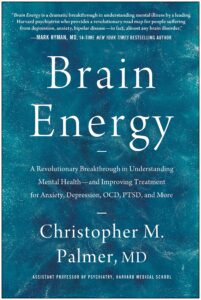
Brain Energy: A Revolutionary Breakthrough in Understanding Mental Health–and Improving Treatment for Anxiety, Depression, OCD, PTSD, and More.

This is the book that will forever change the way we understand and treat mental health. A must read for anyone struggling with mental disorders. If you or someone you love is affected by mental illness, this book just might change your life forever.

Highly Recommended!

Read More Below

David Perlmutter’s book, “Brain Energy: A Revolutionary Breakthrough in Understanding Mental Health–and Improving Treatment for Anxiety, Depression, OCD, PTSD, and More,” offers a fresh perspective on mental health and presents groundbreaking insights into the connection between brain health and various mental disorders. With his expertise as a neurologist and extensive research, Perlmutter sheds light on the role of brain energy in shaping our emotional well-being.

One of the book’s strengths is its ability to bridge the gap between scientific research and accessible language. Perlmutter skillfully translates complex concepts into layman’s terms, making the information easily digestible for readers without a medical background. This approach enables a wider audience to grasp the significance of brain energy in mental health and empowers them to take control of their well-being.

The author’s exploration of anxiety, depression, OCD, PTSD, and other mental disorders is comprehensive and informative. Perlmutter examines the underlying mechanisms of these conditions, emphasizing the vital role of energy production within the brain. By doing so, he challenges conventional thinking and provides a fresh perspective that can potentially revolutionize the way we understand and treat mental health issues.

Throughout the book, Perlmutter supports his claims with compelling scientific evidence. He references numerous studies and research findings to bolster his arguments, giving readers confidence in the validity of his ideas. However, at times, the abundance of scientific information may overwhelm readers who are unfamiliar with the technical aspects of neuroscience. While the inclusion of these details is necessary to support his assertions, a balance could have been struck to cater to a wider range of readers.

One of the most significant strengths of “Brain Energy” lies in its practical application. Perlmutter provides readers with actionable steps to enhance brain energy and improve mental health. From dietary recommendations to lifestyle modifications, he offers a holistic approach that readers can integrate into their lives. By incorporating these strategies, readers may gain a renewed sense of control over their mental well-being.

Although the book presents a compelling argument for the importance of brain energy in mental health, it is essential to approach the material with an open mind. Perlmutter’s ideas challenge established norms in the field of mental health, and while his approach is supported by scientific research, it may not be universally accepted by all experts in the field.

In conclusion, “Brain Energy” is a thought-provoking and insightful book that pushes the boundaries of our understanding of mental health. David Perlmutter’s ability to convey complex concepts in an accessible manner is commendable, making this book a valuable resource for individuals seeking to improve their mental well-being. Whether you are a mental health professional or someone personally affected by anxiety, depression, or other mental disorders, “Brain Energy” offers a unique perspective and practical strategies that can potentially transform lives.

Thriving with ADHD: Nurturing Focus and Productivity Naturally

Thriving with ADHD: Nurturing Focus and Productivity Naturally

Living with ADHD can present unique challenges, but with the right strategies, you can thrive and harness your full potential. In this article, we will explore practical and holistic approaches to enhance focus and productivity naturally. By incorporating supplements, embracing a whole foods diet and engaging in exercises you can cultivate a fulfilling and balanced life. Add journaling and meditation and you have the whole nine yards.

Supplements for Focus

Omega-3 fatty acids and magnesium have shown promising results in improving focus and cognitive function for individuals with ADHD. Omega-3 fatty acids, commonly found in fish oil or flaxseed oil supplements, provide essential nutrients for brain health. Similarly, magnesium supplements can support neurotransmitter function and promote a calmer mental state, aiding in concentration.

When considering supplements to support focus it’s important to approach the topic holistically. While supplements can play a complementary role, they should not replace comprehensive treatment plans involving medical professionals. That being said, certain supplements may be worth exploring. Omega-3 fatty acids, particularly EPA and DHA, have shown potential benefits for cognitive function and mood stability. Additionally, B vitamins, including B6 and B12, are involved in neurotransmitter synthesis and may support brain health.

Adaptogenic herbs such as rhodiola rosea and ashwagandha are known for their stress-reducing properties, potentially assisting with emotional regulation. However, it’s crucial to consult with a healthcare practitioner to assess individual needs, potential interactions and determine appropriate dosages to ensure safe and effective use of supplements as part of a comprehensive treatment approach.

Supplements for Focus

Omega-3 fatty acids and magnesium have shown promising results in improving focus and cognitive function for individuals with ADHD. Omega-3 fatty acids, commonly found in fish oil or flaxseed oil supplements, provide essential nutrients for brain health. Similarly, magnesium supplements can support neurotransmitter function and promote a calmer mental state, aiding in concentration.

When considering supplements to support focus it’s important to approach the topic holistically. While supplements can play a complementary role, they should not replace comprehensive treatment plans involving medical professionals. That being said, certain supplements may be worth exploring. Omega-3 fatty acids, particularly EPA and DHA, have shown potential benefits for cognitive function and mood stability. Additionally, B vitamins, including B6 and B12, are involved in neurotransmitter synthesis and may support brain health.

Adaptogenic herbs such as rhodiola rosea and ashwagandha are known for their stress-reducing properties, potentially assisting with emotional regulation. However, it’s crucial to consult with a healthcare practitioner to assess individual needs, potential interactions and determine appropriate dosages to ensure safe and effective use of supplements as part of a comprehensive treatment approach.

Exercise for Focus and Energy

Regular exercise is a powerful tool for managing ADHD symptoms. Engaging in physical activities like aerobic exercises, yoga or martial arts not only improves focus and attention but also boosts energy levels and reduces stress. Exercise releases endorphins, the “feel-good” hormones, which can positively impact mood and overall well-being.

For women with ADHD exercise can become one of the most powerful tools in the shed you can use for enhancing focus and energy. Engaging in regular physical activity has been shown to improve cognitive function, increase alertness and boost mood. Aerobic exercises such as walking, running, cycling or dancing stimulate the release of endorphins, which improve mood and reduce symptoms of anxiety and depression. Additionally, exercise promotes the production of neurotransmitters like dopamine and serotonin, which play vital roles in attention, mood regulation and overall well-being.

Incorporating activities that require focus and coordination, such as yoga or martial arts, can also improve cognitive skills and concentration. If you are just beginning your holistic journey to whole self wellness, start with a simple treadmill and create a walk routine right there in the privacy of your own living room. Create a daily walk schedule and practice following through with daily exercise. This alone will start your journey off right. If you don’t have tread mill, just get one that slips away easily if you need it to. (Here’s the one I recommend for beginners.) Of course, if a morning walk outdoors is accessable, by all means do that. The important thing here is to just start and stay with it, rain or shine.

Journaling as a Cognitive Tool

Journaling offers a creative outlet and helps organize thoughts and emotions. For individuals with ADHD, bipolar disorder and/or rejection sensitive dysphoria as well, journaling can serve as a cognitive tool to enhance focus and self-awareness. By jotting down tasks, goals and reflections, you can declutter your mind and improve mental clarity. It’s a valuable practice for managing overwhelm and staying organized.

Journaling also provides a safe and private space to express thoughts, emotions and experiences, facilitating self-reflection and self-awareness. Regular journaling can help individuals with ADHD, bipolar disorder and/or rejection sensitive dysphoria better understand their triggers, identify problematic patterns and gain insights into their shifting mental and emotional states.

By putting thoughts on paper, it can help to declutter the mind and improve focus. Journaling can serve as a coping mechanism, allowing individuals to process and release difficult emotions, reducing the risk of rumination and negative thought patterns. It can also serve as a tool for setting goals, tracking progress and celebrating achievements. Incorporating prompts, gratitude lists or affirmations can further enhance the positive impact of journaling.

Meditation for Mindfulness

Incorporating meditation into your daily routine can help cultivate mindfulness and improve attention control. Mindfulness meditation involves focusing on the present moment, observing thoughts without judgment. Regular practice can strengthen your ability to redirect attention and reduce distractions, leading to improved focus and emotional regulation.

Meditation can offer numerous benefits for women with ADHD. By engaging in regular meditation, individuals can develop a greater sense of self-awareness, improve attention and focus and enhance emotional regulation. Mindfulness meditation involves directing attention to the present, allowing for a non-reactive and accepting attitude towards thoughts and emotions. This practice can help individuals become more attuned to their inner experiences, recognize triggers and respond to them in a calmer and more measured way.

Meditation can also promote relaxation, reduce stress levels and improve overall well-being. Starting with short sessions and gradually increasing the duration can be beneficial and incorporating guided meditations or mindfulness apps will definately provide additional support.

Here are a few meditation apps you can take a look at if meditation is new to you.

Living a happy and productive life with ADHD, bipolar disorder and/or rejection sensitive dysphoria is entirely possible through a holistic approach. By incorporating supplements, embracing whole foods, engaging in regular exercise, journaling and practicing differant forms meditation, you can constantly be nurturing your focus, productivity and overall well-being. Experiment with these strategies, adjust them to your unique needs and discover the transformative power they hold for individuals with ADHD, bipolar disorder and/or rejection sensitive dysphoria.

Holistic Self-Care: A Comprehensive Approach to Mental Well-being

Holistic Self-Care: A Comprehensive Approach to Mental Well-being

Taking care of your mental well-being is essential for leading a fulfilling and balanced life. Holistic self-care offers a comprehensive approach to nurturing your mental health by addressing various aspects of your being. In this article, we will explore the principles of holistic self-care and how incorporating practices for the mind, body and the soul can contribute to your overall mental well-being.

Understanding Holistic Self-Care

Holistic self-care recognizes that mental well-being is interconnected with other aspects of your life, including your physical health, emotions, relationships and spirituality. It emphasizes the importance of nurturing all these aspects to achieve balance and optimal mental well-being. By adopting a holistic approach, you can create a comprehensive self-care routine that supports your mental health.

Understanding holistic self-care is crucial for women with ADHD, bipolar disorder, and/or rejection sensitive dysphoria (RSD) to support their overall well-being. Holistic self-care involves nurturing the mind, body and spirit, considering all aspects of one’s being. It starts with recognizing individual needs and prioritizing self-care practices that promote balance and healing. This may include engaging in activities that promote relaxation, such as meditation, yoga or deep breathing exercises, to reduce stress and promote emotional well-being. Nurturing the body through regular exercise, nutritious eating and adequate sleep is absolutely essential for physical and mental health.

Mindful practices, such as journaling or engaging in creative activities, can help process emotions and foster self-expression. Setting boundaries, practicing self-compassion and engaging in activities that bring joy and fulfillment are vital components of holistic self-care.

It is also important to seek professional support when needed, such as therapy or counseling, to address specific challenges. By embracing a holistic self-care approach, women can cultivate a foundation of well-being, resilience and self-empowerment to navigate their conditions with greater ease and balance.

Caring for Your Mind

Start by prioritizing practices that support your mental well-being. Engage in activities that stimulate your mind and promote cognitive health, such as reading, puzzles or learning new skills. Practice mindfulness and meditation to cultivate a calm and focused mind. Set healthy boundaries and manage stress effectively to prevent mental exhaustion. Incorporate activities that bring you joy and promote mental relaxation.

Caring for your mind is a crucial aspect of holistic well-being. It involves nurturing your mental health and cultivating practices that promote clarity, resilience and emotional balance. Engaging in activities such as mindfulness meditation, journaling or therapy can help develop self-awareness, manage stress and process emotions effectively. Setting realistic goals, practicing self-compassion and cultivating positive self-talk are essential for maintaining a healthy mindset.

Creating structure and organization in daily life, utilizing tools like planners or digital apps, can assist in managing symptoms and increasing focus. Prioritizing rest and relaxation, such as practicing deep breathing exercises or engaging in hobbies that bring joy, supports mental rejuvenation.

By nurturing your mind and prioritizing your mental well-being, you can enhance your overall quality of life and better navigate the challenges associated with these conditions.

Nurturing Your Body

Your physical health plays a crucial role in your mental well-being. Engage in regular exercise to release endorphins and boost mood. Prioritize nutritious whole foods that support brain health and provide essential nutrients. Ensure you get enough sleep to allow your mind and body to recharge. Practice relaxation techniques like deep breathing or yoga to reduce physical tension and promote a sense of calm.

Nurturing your body is a vital component of holistic well-being. Taking care of your physical health can have a positive impact on your mental and emotional well-being. Prioritizing regular exercise, such as yoga, walking or dancing, helps to reduce stress, improve mood, and increase energy levels. Engaging in activities that promote relaxation, such as taking warm baths, practicing deep breathing exercises, or receiving massages, can alleviate tension and promote a sense of calm.

Eating a balanced, nutrient-rich diet with plenty of fresh fruits, vegetables, whole grains and lean proteins supports brain function and overall vitality. Adequate sleep is also essential, as it allows for rest and rejuvenation. Establishing a consistent sleep routine, creating a calming bedtime ritual, and ensuring a comfortable sleep environment can contribute to better sleep quality.

Additionally, staying hydrated and minimizing the consumption of stimulants like caffeine and alcohol can help regulate mood and energy levels. By nurturing your body through these holistic practices, you can support your overall well-being and empower yourself to manage the challenges associated with these conditions more effectively.

Managing Emotions

Emotional well-being is an integral part of holistic self-care. Develop emotional awareness and learn healthy ways to express and process your feelings. Engage in activities that promote emotional resilience, such as journaling, art therapy or talking to a trusted friend or therapist. Practice self-compassion and self-care during challenging times, recognizing that emotions are a natural part of the human experience.

Managing emotions is a crucial aspect of holistic well-being for women with ADHD, bipolar disorder, and/or rejection sensitive dysphoria. These conditions can often lead to intense emotions and heightened sensitivity. Developing effective strategies to navigate and regulate emotions is essential.

Mindfulness practices, such as deep breathing exercises or meditation, can help create a sense of calm and bring awareness to the present moment. Engaging in creative outlets, such as art therapy or writing, allows for emotional expression and release.

Developing healthy coping mechanisms, such as engaging in physical activity, talking to a supportive friend or therapist or practicing self-care activities, can help process and manage overwhelming emotions.

It’s important to develop a toolbox of techniques that work for you personally and to be gentle with yourself during challenging times. By actively managing emotions, women can cultivate emotional resilience, promote a sense of balance and foster overall well-being.

Cultivating Meaningful Connections

Healthy relationships are vital for mental well-being. Nurture supportive and authentic connections with family, friends or a community. Engage in activities that foster connection and promote a sense of belonging. Practice effective communication and active listening to deepen your relationships. Surround yourself with positive and uplifting individuals who support your well-being.

Cultivating meaningful connections is essential to support holistic well-being. These conditions can often lead to feelings of isolation and a need for understanding and acceptance. Building strong, supportive relationships with others who can empathize and offer a safe space for sharing experiences is crucial. Seek out support groups, therapy sessions or online communities that focus on these specific conditions, as they can provide a sense of belonging and connection.

Engaging in activities and hobbies that align with personal interests can help forge connections with like-minded individuals. Cultivating open and honest communication within relationships and setting boundaries that prioritize emotional well-being can foster healthier connections.

It’s also important to nurture self-compassion and self-acceptance, as this can strengthen connections with oneself and enhance relationships with others. By actively cultivating meaningful connections, women can create a supportive network, share experiences, gain valuable insights and find solace in the understanding and empathy of others.

Spiritual Nourishment

Cultivate a sense of spirituality or connection to something greater than yourself. This can involve religious or spiritual practices, spending time in nature or engaging in activities that bring you a sense of peace and purpose. Reflect on your values and beliefs and align your actions with them. Incorporate mindfulness or meditation practices to connect with your inner self and cultivate a sense of inner peace.

Spiritual nourishment is a significant aspect of holistic well-being for women with ADHD, bipolar disorder, and/or rejection sensitive dysphoria (RSD). Cultivating a sense of spirituality can provide a source of strength, comfort and purpose. This can be achieved through practices such as meditation, prayer or mindfulness, which help to connect with a higher power or inner wisdom. Engaging in activities that foster a sense of awe, such as spending time in nature, exploring creative pursuits or participating in rituals or ceremonies, can deepen the spiritual connection.

Reflecting on personal values, beliefs and the meaning of life can also contribute to spiritual growth. Additionally, seeking guidance from spiritual leaders, attending supportive religious or spiritual communities or reading inspiring literature can provide further nourishment for the spirit. By nurturing the spiritual aspect of their being, women can find solace, inner strength, and a deeper sense of purpose, supporting their overall well-being on a holistic level.

Creating a Self-Care Routine

Develop a personalized self-care routine that encompasses various aspects of holistic well-being. Assess your needs and interests and choose activities that align with your preferences. Create a schedule that allows for regular self-care practices, ensuring you prioritize your mental well-being. Be flexible and adapt your routine as needed to accommodate changes in your life.

A self-care routine allows for intentional and regular practices that nourish the mind, body and spirit. Begin by identifying activities that bring joy, relaxation and a sense of fulfillment. These may include engaging in hobbies, practicing mindfulness or meditation, spending time in nature or pursuing creative outlets.

Incorporate regular exercise, such as yoga or walking, to promote physical well-being and release endorphins. Prioritize sleep and establish a calming bedtime routine to ensure adequate rest. Nourish your body with a balanced diet that includes whole foods and hydrate properly. Engage in activities that promote emotional well-being, such as journaling or seeking therapy. Set boundaries and practice self-compassion, allowing yourself to prioritize self-care without guilt.

Remember that self-care is a personal journey and it is very important to listen to your own needs and adapt your routine accordingly. By creating a self-care routine, women can cultivate a foundation of well-being, resilience and self-empowerment to navigate their conditions with greater ease and balance.

Consistency and Balance

Consistency is key in holistic self-care. Make self-care practices a regular part of your life, even during busy periods. Strive for balance by allocating time and energy to all aspects of your well-being. Remember that self-care is not selfish but necessary for maintaining your mental health and overall happiness.

Creating consistency and balance is key for women with ADHD, bipolar disorder, and/or rejection sensitive dysphoria to support their holistic well-being. These conditions can often bring challenges in maintaining stability and managing emotions.

Establishing daily routines and schedules can provide a sense of structure and predictability, which can be grounding and reduce feelings of overwhelm. Prioritize self-care activities such as exercise, mindfulness and adequate rest to promote balance in physical and mental health.

Practice effective time management strategies, breaking tasks into smaller, manageable steps and setting realistic goals. Implementing strategies to manage stress, such as deep breathing exercises or engaging in hobbies that bring joy, can help maintain emotional equilibrium.

Setting boundaries and learning to say no when necessary is crucial in maintaining balance and preventing burnout. It is also essential to regularly evaluate and adjust routines as needed to accommodate changing needs and circumstances.

By cultivating consistency and balance, women can create a supportive framework for their well-being, enhancing their ability to navigate the challenges associated with these conditions more effectively.

Holistic self-care offers a comprehensive approach to nurturing your mental well-being. By caring for your mind, body, emotions, relationships and spirituality, you create a strong foundation for mental resilience and balance. Develop a personalized self-care strategy and thrive.

The Calming Power of Meditation: Cultivating Inner Peace

The Calming Power of Meditation: Cultivating Inner Peace

In our fast-paced and often chaotic world, finding moments of inner peace and tranquility is essential for overall well-being. Meditation is a powerful practice that can help you cultivate a sense of calm and inner peace amidst the busyness of life. In this article, we will explore the calming power of meditation and how it can support you in finding balance, reducing stress and nurturing your mental and emotional well-being.

Understanding Meditation

Begin by understanding what meditation is and how it can benefit you. Meditation is a practice that involves training your mind to focus and redirect your thoughts. By engaging in regular meditation, you develop mindfulness, which is the ability to be fully present in the moment without judgment. This practice allows you to observe your thoughts and emotions with acceptance and cultivate a sense of peace.

Meditation is a practice that involves training the mind to focus and redirect thoughts, ultimately promoting calmness, mental clarity and emotional well-being.

For women with ADHD, meditation can help cultivate attention and concentration skills, improving overall focus and reducing distractibility.

For those with bipolar disorder, it can aid in managing mood fluctuations, reducing anxiety and promoting emotional stability. Additionally, for individuals with RSD, meditation can provide a sense of inner peace and self-acceptance, helping to navigate the challenges of rejection sensitivity.

By incorporating meditation into their daily routine, women can develop greater self-awareness, enhance emotional regulation and experience a deeper connection with themselves. Starting with short meditation sessions and gradually increasing the duration can make it more accessible and manageable.

Guided meditations, mindfulness apps or attending meditation classes can provide additional support and guidance. Through regular practice, women can tap into the transformative power of meditation, experiencing increased calmness, clarity and overall well-being.

Reducing Stress and Anxiety

One of the primary benefits of meditation is its ability to reduce stress and anxiety. By slowing down and focusing your attention on the present moment, meditation helps calm the mind and relax the body. Through deep breathing techniques and mindfulness exercises, you can release tension, alleviate worry and experience a greater sense of tranquility.

Reducing stress and anxiety is crucial for women with ADHD, bipolar disorder, and/or rejection sensitive dysphoria to promote emotional well-being. These conditions can often be accompanied by heightened levels of stress and anxiety, which can negatively impact overall health. Implementing holistic strategies to manage stress and anxiety is essential.

Engaging in relaxation techniques such as deep breathing exercises, progressive muscle relaxation or guided imagery can help calm the mind and body. Mindfulness practices, such as meditation or yoga, can promote a sense of presence and reduce anxiety by focusing on the present moment.

Prioritizing self-care activities, such as engaging in hobbies, spending time in nature, or practicing self-compassion can also play a significant role in stress reduction, as these too are a form of meditation.

Additionally, maintaining a balanced lifestyle with proper nutrition, regular exercise and adequate sleep can support overall well-being and resilience to stress. Seeking support from therapists, support groups, or holistic practitioners can provide additional guidance and tools to manage stress and anxiety effectively. By actively addressing stress and anxiety, women can cultivate a greater sense of calmness, balance and emotional stability in their lives.

Enhancing Self-Awareness

Meditation promotes self-awareness, which is the ability to observe your thoughts and emotions without getting caught up in them. As you practice meditation, you develop a deeper understanding of your inner landscape, including your patterns of thinking and emotional responses. This heightened self-awareness allows you to cultivate inner peace by consciously choosing how to respond to challenging situations.

Enhancing self-awareness is a transformative practice. It involves developing a deep understanding of one’s thoughts, emotions, behaviors and patterns of response. By cultivating self-awareness, women can gain insight into the underlying causes of their challenges and develop strategies for self-regulation and emotional well-being. This practice allows them to recognize their unique strengths, triggers and limitations.

Techniques such as mindfulness, journaling and therapy can facilitate self-reflection and introspection, fostering a greater sense of self-understanding and acceptance. By being attuned to their thoughts and emotions, women can make informed choices, set healthy boundaries and engage in self-care practices that align with their needs. Enhancing self-awareness empowers women to navigate their conditions with greater self-compassion, resilience and personal growth.

Improving Emotional Well-being

Regular meditation can positively impact your emotional well-being. By observing your thoughts and emotions during meditation, you become more attuned to your inner world. This increased awareness helps you recognize and regulate your emotions more effectively, leading to a greater sense of emotional balance, resilience and inner peace.

ADHD, Bipolar Disorder and/or RSD can present unique challenges related to mood regulation, emotional sensitivity and self-esteem. Holistic approaches can play a significant role in enhancing emotional well-being. Incorporating practices such as mindfulness, meditation and yoga, which help cultivate self-awareness, reduce stress, and promote emotional balance.

Engaging in regular exercise, spending time in nature and practicing relaxation techniques can also support emotional well-being by boosting mood, reducing anxiety and improving overall mental health. Nurturing healthy relationships, seeking therapy or counseling, and participating in support groups can provide valuable emotional support and guidance.

Cultivating Mindfulness in Daily Life

The benefits of meditation extend beyond your formal practice sessions. Through regular meditation, you develop the capacity to carry mindfulness into your daily life. By being fully present in each moment, you cultivate a greater appreciation for the simple joys of life, reduce reactivity and approach challenges with a calm and centered mindset.

Mindfulness involves intentionally bringing one’s attention to the present moment, without judgment. This practice can help women develop a deeper awareness of their thoughts, emotions and physical sensations, allowing them to respond to situations with greater clarity and composure.

By incorporating mindfulness into daily activities such as eating, walking or even washing dishes, women can enhance their ability to stay present and reduce the impact of distractions or racing thoughts. Mindfulness practices, such as meditation or deep breathing exercises, can also serve as anchors during challenging moments, helping to regulate emotions and promote a sense of calm.

By cultivating mindfulness in daily life, women can cultivate a greater sense of self-acceptance, improve their ability to navigate stress and anxiety and experience a more grounded and centered way of being.

Different Meditation Techniques

Explore various meditation techniques to find the ones that resonate with you. Breath-focused meditation, loving-kindness meditation, body scan meditation and guided visualization are just a few examples. Experiment with different techniques and find the ones that help you feel most centered and peaceful.

Mindfulness meditation involves focusing one’s attention on the present moment, observing thoughts and sensations without judgment. This practice can help women cultivate self-awareness and reduce anxiety.

Guided meditation, where an instructor leads the session, provides structure and support for individuals who struggle with maintaining focus.

Loving-kindness meditation focuses on developing compassion and kindness towards oneself and others, fostering emotional resilience and self-acceptance.

Breath-focused meditation involves paying attention to the breath, promoting relaxation and grounding.

Movement-based practices, such as walking meditation or yoga, combine physical movement with mindfulness, catering to those who find sitting still challenging.

Women can explore these techniques to find the ones that resonate with them and incorporate them into their daily routine. Flexibility in choosing meditation techniques allows for personalized and adaptable approaches to support their unique needs and preferences.

Creating a Meditation Routine

Establishing a regular meditation routine is key to reaping its calming benefits. Find a quiet and comfortable space where you can meditate without distractions. Start with short sessions, gradually increasing the duration as you become more comfortable. Set aside dedicated time each day to cultivate inner peace through meditation.

Establishing a regular meditation practice provides structure and consistency, allowing for a deeper integration of its benefits into daily life. Start by selecting a specific time and space dedicated to meditation, ensuring it is a quiet and comfortable environment. Begin with shorter sessions, gradually increasing the duration as focus improves.

Setting realistic goals and being gentle with oneself is important, as meditation can be challenging at first. Experiment with different techniques to find what resonates best. Utilize guided meditation apps or recordings for additional support.

Incorporating meditation into existing routines, such as before bed or upon waking up, can enhance consistency. Consistency is key, so aim for daily practice even if it’s just for a few minutes. By creating a meditation routine, women can cultivate a sense of calm, emotional resilience and improved focus, leading to enhanced overall well-being and inner peace.

Supportive Resources and Communities

Utilize resources and communities that can support your meditation practice. There are numerous meditation apps, guided meditation recordings and online communities where you can connect with like-minded individuals. These resources provide guidance, inspiration, and a sense of belonging on your journey to cultivating inner peace.

Connecting with others who share similar experiences can provide a sense of validation, understanding and encouragement. Online forums, support groups and social media communities dedicated to these conditions offer spaces for women to connect, share insights and seek advice.

Additionally, seeking out reputable educational resources, books and websites, just like this one, that provide accurate information and guidance can empower women to better understand their conditions and explore holistic approaches.

Professional support from therapists, counselors or holistic practitioners who specialize in these areas can offer personalized guidance and tools for managing symptoms.

Peer support groups and therapy sessions specifically designed for ADHD, bipolar disorder, and RSD can provide a safe and nurturing space for women to share their challenges, receive support and learn coping strategies.

By tapping into supportive resources and communities, women can feel less alone, gain valuable insights and cultivate a network of understanding individuals who can journey alongside them towards holistic well-being.

Meditation is a powerful practice that can help you find calm and inner peace in a hectic world. By reducing stress, enhancing self-awareness and improving emotional well-being, meditation allows you to navigate life’s challenges with greater ease and grace.

Embrace the calming power of meditation, establish a regular practice and experience the transformative effects it can have on your body, mind and your spirit.