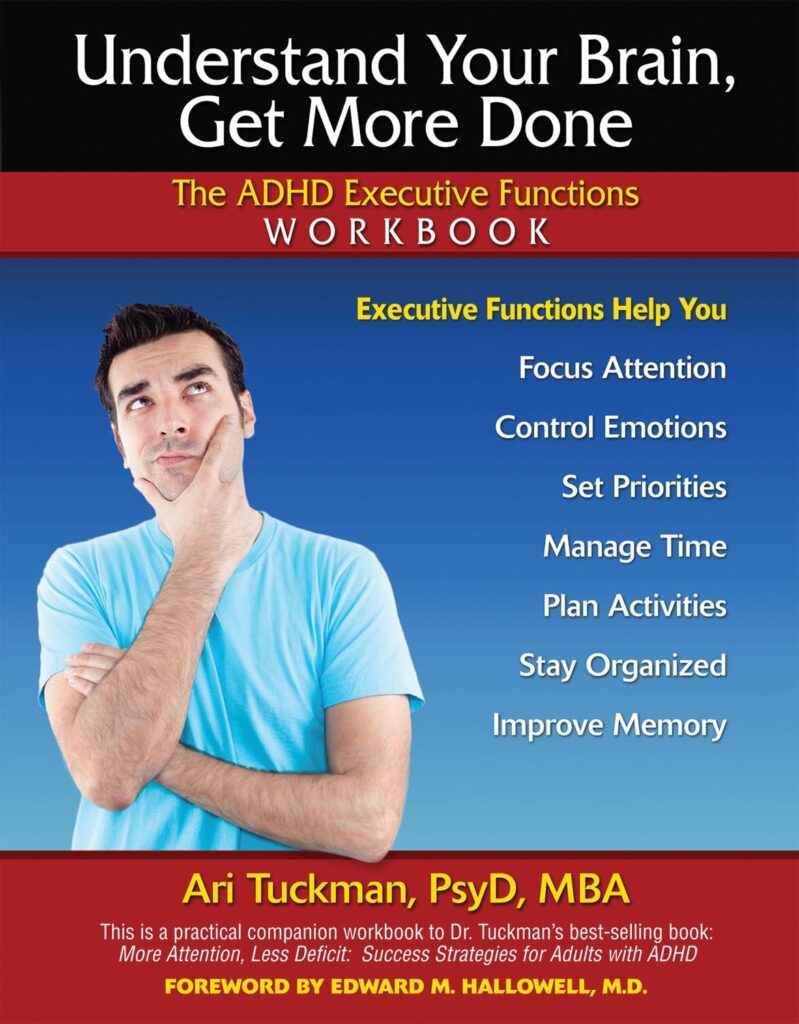
The Vital Link: Understanding the Importance of Vitamin D and Magnesium for Individuals with ADHD

The Vital Link: Vitamin D and Magnesium for Individuals with ADHD

Understanding the Importance of Vitamin D and Magnesium

Living with Attention-Deficit Hyperactivity Disorder (ADHD) can be challenging, as individuals often struggle with focus, impulsivity and mood regulation. While various treatment options exist, understanding the role of essential nutrients in managing ADHD symptoms is crucial. In particular, two key nutrients, Vitamin D and Magnesium, have gained attention for their potential benefits in supporting individuals with ADHD.

This comprehensive guide will explore the significance of Vitamin D and magnesium, how they relate to ADHD and practical ways to optimize their intake for better symptom management and overall well-being.

The Role of Vitamin D in ADHD

Vitamin D, often referred to as the “sunshine vitamin,” is well-known for its role in bone health and calcium absorption. However, emerging research suggests that Vitamin D also plays a crucial role in the human brain. Here’s a brief overview of the facts surrounding Vitamin D’s impact on the brain:

The human brain contains Vitamin D receptors, which are proteins that can bind with Vitamin D molecules. These receptors are present in various regions of the brain, including the hippocampus, cortex and substantia nigra.

Neurotransmitter Regulation: Vitamin D receptors in the brain play a role in the regulation of neurotransmitters, which are chemical messengers that transmit signals between brain cells. Studies have shown that Vitamin D can modulate the production and release of neurotransmitters such as dopamine, serotonin and glutamate.

Neuroprotection and Anti-Inflammatory Effects: Vitamin D exhibits neuroprotective properties, which means it helps protect brain cells from damage and promotes their survival. It also has anti-inflammatory effects in the brain, reducing inflammation that can contribute to neurological disorders.

Brain Development and Plasticity: Adequate levels of Vitamin D during prenatal and early childhood stages are crucial for proper brain development. Vitamin D influences the growth and differentiation of neurons, the formation of synapses (connections between brain cells) and the overall structure of the brain. It also plays a role in neuroplasticity, which is the brain’s ability to adapt and reorganize itself.

Cognitive Function and Mental Health: Vitamin D deficiency has been associated with cognitive impairments and an increased risk of various neurological and psychiatric conditions, including dementia, depression, schizophrenia and multiple sclerosis. Adequate Vitamin D levels have been linked to better cognitive performance, mood regulation and overall mental well-being.

Potential Links to Neurological Disorders: Research suggests that Vitamin D may have a role in reducing the risk or severity of certain neurological disorders. Studies have explored its potential involvement in conditions such as Alzheimer’s disease, Parkinson’s disease, autism spectrum disorder and attention-deficit/hyperactivity disorder (ADHD). However, more research is of course needed to establish definitive causation and treatment implications.

In conclusion, it can be said Vitamin D is not only important for bone health but also plays a vital role in the human brain. Its receptors and actions within the brain have implications for neurotransmitter regulation, neuroprotection, brain development, cognitive function and mental health. Maintaining adequate Vitamin D levels through sunlight exposure, dietary sources and supplementation when necessary may contribute to optimal brain health and function. Further research is ongoing to deepen our understanding of Vitamin D’s impact on the brain and its potential therapeutic applications in neurological disorders.

In the meantime, get outside in the sun! Just 20 minutes in the morning – as soon as you can in the morning – and 20 minutes in the late afternoon can make a differance. (And avoid that sunscreen stuff. Let your skin drink in those rays. Also understand that you do NOT have to be in the direct rays of the sun to reap it’s harvest. Sit on the porch, sunny or not, for twenty minutes while drinking your morning tea and surf tictok. Set a timer and enjoy the morning. No stress.)

Anyway, just know that some chemical ingredients used in sunscreens have raised concerns about potential health risks. One such group of chemicals is oxybenzone and octinoxate. (Avoid these! Read the label.) These ingredients have been found to be absorbed through the skin and have been detected in blood samples, raising concerns about their potential hormonal effects and possible links to endocrine disruption. And there’s more, but that’s for another post.

The Link

The link between Vitamin D and ADHD has been a topic of growing interest in recent years. Research suggests that there may be an association between Vitamin D deficiency and the development or severity of ADHD symptoms. Several studies have observed a higher prevalence of Vitamin D deficiency in individuals with ADHD compared to the general population. Furthermore, Vitamin D receptors are present in areas of the brain associated with ADHD and Vitamin D plays a role in neurotransmitter regulation and brain development.

While the exact mechanisms underlying this link are not yet fully understood, it is hypothesized that Vitamin D deficiency may contribute to altered brain function, neurotransmitter imbalances and impaired cognitive processes seen in ADHD. However, it’s important to note that more research is needed to establish a definitive causal relationship and determine the potential benefits of Vitamin D supplementation for ADHD management. Nonetheless, optimizing Vitamin D levels through safe sun exposure, dietary sources or supplementation, under medical guidance, should be a consideration for individuals diagnosed with ADHD.

By the way: fun fact: Women with vitamin D deficiency experience more weight gain that was nearly impossible to lose. Just saying…

Vitamin D Deficiency and ADHD Symptoms

Vitamin D deficiency has been associated with various adverse health effects and its potential impact on ADHD symptoms has gained attention. Research suggests that individuals with ADHD may be more likely to have lower Vitamin D levels compared to those without the condition. Vitamin D deficiency has been linked to increased severity of ADHD symptoms, including difficulties with attention, impulsivity and mood regulation.

While the exact mechanisms are still being explored, Vitamin D is known to play a role in neurotransmitter regulation and brain development, which are both relevant to ADHD. It is important to note that Vitamin D deficiency is not the sole cause of ADHD, and addressing it alone may not entirely alleviate symptoms. However, optimizing Vitamin D levels through appropriate supplementation, dietary changes and daily sunlight exposure, may contribute to improved overall well-being and potentially help manage ADHD symptoms more effectively.

Optimizing Vitamin D Intake for Individuals with ADHD

Optimizing Vitamin D intake is essential for individuals with ADHD, as it may contribute to better symptom management and overall well-being. Here are some strategies to consider for optimizing Vitamin D intake:

Sunlight Exposure: Spending time outdoors and exposing the (bare) skin to sunlight can stimulate the body’s natural production of Vitamin D. Aiming for 10 to 30 minutes of sunlight exposure on the arms, legs and face a few times a day is great.

Dietary Sources: Include Vitamin D-rich foods in your diet, such as fatty fish (salmon, mackerel, sardines), fortified dairy products, egg yolks and mushrooms – Lion’s Mane in particular. While dietary sources may not provide sufficient amounts alone, incorporating them into a balanced diet can contribute to overall Vitamin D intake.

Supplementation: If blood tests indicate low Vitamin D levels or if sunlight exposure and dietary sources are limited, supplementation may be necessary. Consult with a healthcare professional to determine the appropriate dosage and form of Vitamin D supplementation tailored to your individual needs. The doctor will give you a 25-Hydroxy Vitamin D Test and examine the results.

Here’s what they may look like. It’s important to have this test done so you know where you stand. Vitamin D deficiency can lead to a number of serious health issues.

  • deficiency: less than 30 nmol/L (12 ng/mL)
  • potential deficiency: between 30 nmol/L (12 ng/mL) and 50 nmol/L (20 ng/mL)
  • normal levels: between 50 nmol/L (20 ng/mL) and 125 nmol/L (50 ng/mL)
  • high levels: higher than 125 nmol/L (50 ng/mL)

Professional Guidance: Working with healthcare professionals, such as doctors or nutritionists, can provide personalized guidance on optimizing Vitamin D intake for individuals with ADHD. They can assess your specific needs, consider potential interactions with other medications or conditions and monitor Vitamin D levels over time.

Remember, individual requirements for Vitamin D may vary and it is important to strike a balance between optimizing intake and avoiding excessive supplementation. Consulting with healthcare professionals ensures that Vitamin D optimization is tailored to your specific circumstances and aligned with your overall ADHD management plan.

Dietary sources of Vitamin D and supplementation options

Dietary sources of Vitamin D can be beneficial for individuals with ADHD in optimizing their nutrient intake. Some food sources that are naturally rich in Vitamin D include fatty fish like salmon, mackerel and tuna, as well as fortified dairy products such as milk, yogurt and cheese. Egg yolks, mushrooms and fortified plant-based milk alternatives are also sources of Vitamin D. While dietary sources alone may not provide sufficient levels of Vitamin D, incorporating these foods into a well-rounded diet can contribute to overall intake.

Vitamin D supplements are available in various forms, such as capsules, tablets or liquid drops.Take a vitamin D3 supplement or cod liver oil. It is crucial to consult with a healthcare professional to determine the appropriate dosage and form of Vitamin D supplementation tailored to individual needs. Healthcare professionals can also monitor Vitamin D levels over time to ensure optimal supplementation for individuals with ADHD.

Here’s a study you can read: The effect of vitamin D and magnesium supplementation on the mental health status of attention-deficit hyperactive children: a randomized controlled trial

The Role of Magnesium in ADHD

Understanding Magnesium in the Human Brain

Magnesium is a vital mineral that plays numerous roles in the human body, including the brain. Here’s a brief overview of the facts surrounding magnesium’s impact on the brain:

Abundance in the Brain: Magnesium is the fourth most abundant mineral in the human brain. It is involved in various biochemical processes that support brain function and overall neurological health.

Neurotransmitter Regulation: Magnesium acts as a natural calcium channel blocker in the brain, helping to regulate the flow of calcium ions. This regulation is crucial for proper neurotransmitter release and function, including those involved in mood, cognition and memory.

Brain Plasticity and Synaptic Connectivity: Magnesium plays a role in modulating synaptic plasticity, which is the brain’s ability to adapt, change and form new connections between neurons. Adequate magnesium levels support synaptic plasticity, which is vital for learning, memory and cognitive function.

Neuroprotective Effects: Magnesium exhibits neuroprotective properties by reducing oxidative stress, inflammation and excitotoxicity, which can damage brain cells. It helps maintain cellular integrity and supports overall brain health.

Mood Regulation and Mental Health: Magnesium has been linked to mood regulation and mental health. Low levels of magnesium have been associated with an increased risk of depression, anxiety and other psychiatric disorders. Magnesium supplementation has shown promise in improving mood and reducing symptoms in certain conditions. ADHD, Bipolar disorder and RSD among them.

Sleep and Circadian Rhythm Regulation: Magnesium plays a role in the regulation of sleep patterns and the body’s internal clock. It helps facilitate the production of melatonin, a hormone that regulates sleep-wake cycles. Adequate magnesium levels may contribute to better sleep quality and a well-regulated circadian rhythm.

Potential Links to Neurological Disorders: Magnesium has been studied for its potential therapeutic benefits in various neurological disorders, including migraines, epilepsy, Alzheimer’s disease and Parkinson’s disease. However, more research is needed to establish definitive causation and treatment implications.

In conclusion we understand that Magnesium is a crucial mineral for brain health and function. Its involvement in neurotransmitter regulation, synaptic plasticity, neuroprotection, mood regulation and sleep makes it an essential nutrient for overall brain well-being. Maintaining adequate magnesium levels through a balanced diet that includes magnesium-rich foods like nuts, seeds, leafy greens and whole grains is important. In some cases, magnesium supplementation may be considered to optimize levels.

Further research is ongoing to deepen our understanding of magnesium’s impact on the human brain and its potential therapeutic applications in neurological disorders. These are studies we want to follow closely.

Optimizing Magnesium Intake for Individuals with ADHD

Optimizing magnesium intake is important for individuals with ADHD as it may contribute to better symptom management and overall well-being. Here are some strategies to consider for optimizing magnesium intake:

Dietary Sources: Include magnesium-rich foods in your diet, such as nuts (almonds and cashews), seeds (pumpkin and sunflower seeds), legumes and leafy greens (spinach and kale), whole grains (brown rice and quinoa) and dark chocolate. These foods can provide a natural source of magnesium to support overall intake.

Balanced Diet: Adopting a well-rounded diet that includes a variety of nutrient-rich foods can help ensure sufficient magnesium intake. Focus on consuming a diverse range of fruits, vegetables, whole grains, lean proteins and healthy fats.

Supplementation: In some cases, magnesium supplementation may be necessary, especially for individuals with known deficiencies or those with limited access to magnesium-rich foods. Consult with a healthcare professional to determine the appropriate dosage and form of magnesium supplementation tailored to your individual needs.

Professional Guidance: Working with healthcare professionals, such as doctors or nutritionists can provide personalized guidance on optimizing magnesium intake for individuals with ADHD. They can assess your specific needs, consider potential interactions with other medications or conditions and monitor magnesium levels over time.

It’s important to note that magnesium intake must be balanced and in accordance with recommended daily allowances. Excessive magnesium intake can lead to adverse effects. Striking the right balance by incorporating magnesium-rich foods into a balanced diet and considering supplementation, under medical guidance, can contribute to improved overall well-being and potentially help manage ADHD symptoms more effectively.

Practical Lifestyle Strategies for ADHD Management

Sunlight Exposure and Outdoor Activities: The benefits of outdoor activities for Vitamin D production and ADHD symptom management include: Spending time outdoors. Being outside allows the body to absorb sunlight, which triggers the production of Vitamin D in the skin. Vitamin D plays a vital role in brain health and cognitive function and optimizing its levels may contribute to improved ADHD symptom management.

Additionally, outdoor activities promote physical exercise, which has been shown to enhance focus, attention and impulse control in individuals with ADHD. Being in nature also provides a calming and sensory-rich environment, reducing stress and promoting mental well-being.

Furthermore, outdoor activities offer a break from screen time and sedentary behavior, allowing individuals to engage in active play, explore their surroundings and engage in social interactions.

Overall, incorporating outdoor activities into daily routines can be an effective and enjoyable way to support Vitamin D production, enhance ADHD symptom management and promote overall health and well-being.

Read: Harnessing the Power of Exercise: Boosting Mental Health and The Benefits of Nature Therapy for ADHD.

Practical Lifestyle Strategies for ADHD Management

Making wise dietary choices is crucial for ensuring adequate intake of Vitamin D and Magnesium, both of which play vital roles in overall health and well-being.

For Vitamin D, incorporate foods such as fatty fish (salmon, mackerel, tuna), fortified dairy products (milk, yogurt, cheese), egg yolks and mushrooms.

When it comes to magnesium, focus on consuming magnesium-rich foods like nuts, seeds, legumes, leafy greens, whole grains and dark chocolate.

A varied and balanced diet that includes these nutrient-rich foods can help optimize Vitamin D and magnesium levels.

However, it’s important to note that dietary sources alone may not always provide sufficient amounts, and supplementation might be necessary, especially in cases of deficiency or specific dietary restrictions. Consultation with healthcare professionals can provide personalized guidance and ensure that dietary choices align with individual needs and health goals.

Meal planning and nutrient-dense recipes for ADHD management

Meal planning and incorporating nutrient-dense recipes can be beneficial for individuals managing ADHD. By focusing on balanced meals that include a variety of whole foods, one can support optimal brain function and overall well-being. Prioritize lean proteins, such as chicken, fish and tofu, which provide essential amino acids for neurotransmitter production. Include complex carbohydrates like whole grains and vegetables, as they release energy slowly and stabilize blood sugar levels, which can help sustain focus and concentration. Additionally, healthy fats found in foods like avocados, nuts and olive oil provide omega-3 fatty acids, which support brain health.

Incorporate nutrient-dense recipes such as colorful salads, vegetable stir-fries and homemade smoothies with fruits, leafy greens and added protein. Avoid sugar, artificial additives and highly processed foods, as they can contribute to hyperactivity and impulsivity.

Prioritize hydration by including water, herbal teas, fresh squeezed fruit juices and natural fruit-infused beverages throughout the day. (Here are the items I recommend for fresh squeezed juices (The Hamilton Beach Juicer Machine) and the natural fruit-infused beverage pitcher. Amazon has a lot of each but start with these two and definately try to get this fresh fruits and flavored water into your diet as soon as possible. You will be pleasantly pleased after a week or two that you added this habit to your holistic health program. (And don’t use tap water in your flavored water. Its very bad for you. I will discuss water in a later post).

Meal planning and nutrient-dense recipes help establish a consistent and balanced approach to nourishing the body and supporting optimal brain function for individuals managing ADHD.

Supplementation and Nutrient Combinations

Supplementation can be a valuable tool to support nutrient intake for individuals managing ADHD. While it’s best to prioritize obtaining nutrients through a balanced diet, certain circumstances may warrant the need for supplementation. When considering supplementation, it’s important to consult with healthcare professionals who can assess individual needs and provide appropriate guidance. Nutrient combinations, such as Vitamin D and magnesium, can be beneficial as they work synergistically to support brain health and function. Combining nutrients that complement each other’s absorption and utilization can enhance their effectiveness.

However, it’s crucial to ensure the dosage and form of supplementation are appropriate for the individual’s specific needs, as excessive intake or imbalanced nutrient combinations can have adverse effects. Professional guidance is essential to determine the right supplementation approach that aligns with overall ADHD management and addresses specific nutrient deficiencies, if present.

Vitamin D and Magnesium play essential roles in the body and brain, making them valuable nutrients for individuals with ADHD. By understanding the link between Vitamin D, magnesium and ADHD symptoms, individuals can take proactive steps to optimize their intake. Whether through sunlight exposure, dietary choices or targeted supplementation, prioritizing Vitamin D and magnesium can support better ADHD management and overall well-being.

Remember, it is essential to consult healthcare professionals for personalized advice and to ensure optimal nutrient balance. Embracing a holistic approach that includes these vital nutrients may pave the way for a more fulfilling and empowered life for individuals with ADHD.


The Benefits Of Nature Therapy For ADHD

The Benefits Of Nature Therapy For ADHD

Can Ecotherapy Really Help Women with ADHD

no one-size-fits-all solution

Attention Deficit Hyperactivity Disorder, ADHD, is a neurodevelopmental disorder that is characterized by difficulties with focus, impulsiveness, and hyperactivity. To date, there is no cure. Likewise, there is no one-size-fits-all approach to treating ADHD either. However, nature therapy is a promising new treatment that just might fit into nearly everyone’s ADHD wellness plan. It’s low cost and everyone can make the time to step outdoors and take in 20 minutes of the day.B B Nature therapy, also known as ecotherapy, is a type of therapy that involves spending time in natural environments, such as forests, parks, or gardens.B Spending time in nature has many well-documented benefits for mental health, including reducing stress, improving mood and increasing self-esteem. For people with ADHD, nature therapy can help to improve focus, concentration and impulsivity.B

Research has shown that spending just 20 minutes in nature can improve symptoms of ADHD, and incorporating nature therapy into a comprehensive treatment plan can have long-lasting positive effects.B Nature therapy can take many forms, including hiking, gardening, camping, or simply sitting in a peaceful outdoor space. It provides a sensory-rich environment that can help soothe the hyperactive and overstimulated brain of someone with ADHD. Being in nature can also help regulate the circadian rhythm, which can improve sleep and promote overall well-being.B Ecotherapy can be used in conjunction with an array of ADHD treatments, such as medication and other holistic therapies, such as yoga and meditation, to provide a holistic approach to managing the condition. It is also a low-risk and cost-effective option, making it accessible to a wide range of people.

understand first

ADHD is a complex condition that can manifest differently in different people. In general however, people with ADHD have difficulty focusing, can be easily distracted and get quickly pulled off course. They often have difficulty controlling their impulsivity. While some experience hyperactivity, others do not. So don’t let the ‘H’ confuse you.B B ADHD can, and often does, impact a personb s ability to live their best life and perform everyday tasks. It is important to note that ADHD is not caused by a lack of motivation or effort, but rather by a discrepancy between a personb s level of interest and how well they can focus on a task. This discrepancy can cause significant disruption in daily life, making it difficult for a person to focus on whatb s important to them.B B It is possible however to successfully manage ADHD symptoms with a combination of medication, lifestyle changes, mental health treatments and behavior therapy.

connect to the earth you live on

Nature therapy is becoming increasingly popular as one of those way to help manage the symptoms of ADHD and has been shown to have beneficial effects on ADHD symptoms.B This form of therapy is based on the idea that nature, the natural world, can help people with ADHD feel calmer, more focused and more able to regulate their emotions.B Research has shown that spending time outdoors reduces stress, increases feelings of well-being and strengthens concentration. Additionally, nature offers an array of sensory stimuli such as sunlight, wind, and the smells of trees, grass, and flowers. This can be beneficial for people with ADHD, as sensory input can help them to focus and better regulate their behavior.B There is also evidence that being in nature can help people with ADHD to feel more connected to the world around them. Nature offers a sense of peace and tranquility and can help people with ADHD to feel grounded and in control. This can be particularly helpful for those with ADHD, because they often feel overwhelmed by their symptoms and disconnected from the world.B Finally, nature offers the opportunity for physical activity, which can help to reduce stress, release endorphins, and improve concentration. Exercise can also improve cognitive function and help people with ADHD to better regulate their emotions and behavior. And just being outdoors is a form of exercize that can do nothing but help.

Release Those Endorphins

Spending time in nature can help reduce stress and increase feelings of well-being, while sensory stimuli such as sunlight, wind, and smells can help people with ADHD to focus and better regulate their behavior. Additionally, physical activity in nature can help people with ADHD to release endorphins.B Endorphins are chemicals (hormones) your body releases during pleasurable activities such as exercise, massage, eating and sex too. Endorphins help relieve pain, reduce stress and improve your sense of well-being.B

When you walk, run, jump rope, play hopscotch or do 10 squats,B your brain is making a few moves of it’s own. It’s busy releasing several very important chemicals.

Endorphins, the hormone-like compounds that regulate mood, pleasure, and pain are released. That same burst of activity also elevates the brainb s dopamine, norepinephrine, and serotonin levels. These brain chemicals affect focus and attention, which are in short supply in those with ADHD.B

b  Regularly taking part in nature activities such as walking, hiking, and camping can be a great way to help alleviate the symptoms of ADHD. Taking part in activities outdoors allows one to take advantage of the natural environment and its calming effects, while at the same time getting physical activity which can reduce stress.B b  Nature also provides a safe and secure place away from distractions that can help people with ADHD to better concentrate on their tasks. When in nature, it can be easier to focus on your thoughts and feel closer to the natural world.B b  Immersing yourself in nature is a great way to break away from oneb s routine, which can help to reduce stress and anxieties. Taking part in nature therapy can help to reduce symptoms of ADHD, as it is often easier to focus when in a calm and peaceful environment.B b  Nature can also provide a sense of connection and a feeling of being grounded. Being surrounded by nature can help people with ADHD to feel less overwhelmed by their symptoms, as well as to feel more connected to the world around them.

A Few Favorites To Get You Started

Read Our Affiliate Disclaimer Here

Get The Facts

If you are interested in nature therapy for your ADHD, here are 5 tips to get started:B 1. Start small: start by taking a few minutes each day to go outside and enjoy the natural environment, whether it is a walk around the neighborhood, a trip to the park, or a hike in a nearby wilderness area.B 2. Get creative: try to find creative ways to combine nature therapy with other activities. For example, if you enjoy reading, try finding a quiet spot in nature to read or do some journaling.B 3. Make it social: nature therapy can also be a great way to connect with friends and family. Going on nature walks or hikes with your loved ones can be a great way to have meaningful conversations and bond.B 4. Get physical: take advantage of the physical benefits of nature by engaging in some physical activity outdoors, such as running, swimming, or biking.B 5. Unplug: nature can be a great way to unplug and relax from the stressors of everyday life. Disconnect from technology and spend some time alone in nature to reconnect with yourself and the natural world.

nature can be a powerful tool

Studies have shown that spending time in nature can improve attention and reduce symptoms of ADHD, including hyperactivity and impulsivity. This may be due to the calming and relaxing effect that nature has on the body and mind. In addition, nature provides a natural stimulus that can capture and hold the attention of those with ADHD, allowing them to focus on their surroundings rather than their racing thoughts and distractions.B Nature also offers a peaceful and quiet environment that can be beneficial for those with ADHD who are easily overstimulated by noise and activity. In nature, there are fewer distractions and disruptions, allowing people with ADHD to recharge and reset their brains.B Overall, nature can be a powerful tool for managing ADHD symptoms and improving overall well-being. Whether itb s spending time in a park, hiking in the woods, or simply spending time in your backyard, the benefits of being surrounded by nature are numerous and can improve the lives of those with ADHD.

the latest studies

Research has shown that spending time in natural environments, such as parks and forests, can lead to a decrease in symptoms of ADHD, including improved attention, impulse control, and self-discipline.B This can be attributed to the fact that nature provides a stimulating environment that allows for passive attention, which is the ability to focus on something without consciously trying to do so. The sights, sounds, smells, and textures of nature can capture our attention without us having to make an effort, leading to a natural state of calm and relaxation.B Furthermore, being in nature reduces sensory overload and overstimulation, which can be overwhelming for people with ADHD. The natural environment provides a gentle sensory experience that can help regulate emotions, calm the nervous system, and increase feelings of well-being.B Overall, spending time in nature can be a powerful tool for managing symptoms of ADHD and improving concentration and focus. Whether it’s a walk in the park, a hike in the forest, or simply sitting outside and enjoying the scenery, adding a dose of nature to your routine can provide numerous benefits for mental health and well-being.

Research has shown that spending time in nature can have numerous benefits for our mental and physical health. It can lower stress levels, reduce symptoms of depression and anxiety, and improve overall well-being.B When we unplug from technology and immerse ourselves in nature, we allow our mind and body to slow down and reset. We can focus on our breathing, observe the sights and sounds around us, and become more mindful of the present moment. This can help us feel more grounded and centered.B Taking a nature walk, going for a hike, or simply sitting outside can be great ways to unplug and connect with nature. While it may be difficult to put down our phones and disconnect at first, the benefits of unplugging and spending time in nature can be truly transformative.

So What Should You Do Right Now

Research has shown that spending time in nature can reduce stress, improve mood, boost creativity and productivity, and even enhance our immune system. It can also have a positive impact on mental health conditions such as depression and anxiety.B One way to incorporate nature into our daily routine is to create a green space in our home or office. This can be as simple as adding some potted plants or hanging a few succulents near a window. Not only do plants help purify the air and add some natural beauty to our surroundings, but they can also boost our mood and productivity.B Another way to connect with nature is to find outdoor activities that we enjoy. This could be anything from hiking or camping to gardening or birdwatching. Spending time in nature can help us escape from the stress of daily life and allow us to be in the present moment.B Finally, making a conscious effort to disconnect from technology and spend time away from screens can help us connect with nature and improve our overall well-being. Instead of scrolling through social media during our free time, we can take a walk in the park, go for a bike ride, or simply sit and enjoy the natural world around us.B Incorporating nature into our daily routine doesn’t have to be complicated or time-consuming. By making small changes and becoming more mindful of our surroundings, we can improve our health, happiness, and connection to the world around us.

A Few Favorites To Get You Started

Read Our Affiliate Disclaimer Here

A Little Off Topic

While I have you here let me add a few hints about ‘thoughts’ journaling. First grab a journal that feels good in your hand. (Here’s the one I use) And by that I mean one you can get attached to. This journal will soon become your best friend and closest confidante. Somedays you will write like a best selling author. Other days you will doodle because you have nothing to say. And that’s okay. Just make sure you go to that book everyday for your good mental health.B And trust me, you will soon know eactly why.B

With that said, when I first started researching neurodevelopmental disorders, which is what we are talking about when addressing ADHD, I began keeping notes on all the information I was suddenly taking in. And that was okay, and necessary, but I also quickly learned that I had to know far more about my son-in-law. I needed to know about his daily actions, his diet, his habits, his sleeping routine – of which he had none – and so many little idiosyncrasies I hadn’t realized even existed. Without this data on a daily, I was simply stabbing in the dark. So I ask him to start keeping a very detailed account of everyday for one month. This data proved priceless. Patterns began to reveal themselves and a road to managing his symptoms began falling into place. Dim little lightbulbs started popping on. And all with very little effort on his part.B

So for the first thirty days after being diagnosed, whether that be ADHD, RSD or Bipolar Disorder, it would be wise to start understanding your own habits – both good and not so good. Write down everything you consume in a day and the time you ate it. Detail any symptoms – when they are heightened or drop off. Pay close attention to your water consumption. Detail the amount of caffine you take in. Record what time you retire to bed and what time you wake. How tired were you when you went to bed. Did you fall fast asleep or was it a restless night. Did you rise in a good mood? Bad mood? Dragging or hopping right into the day? What did you eat for breakfast. Did you leave for work on time? You get the idea. Every move is relevant. Literally.

With that said, I do believe, that for many of us anyway, spending time exploring who you truly are in your day to day, can only lead to a healthier body, an eased mind and a content spirit. A combination that each of us is looking for. Learning to journal, and taking the results seriously, is one of those necessary ‘small changes’ that need to be put into place for the whole self wellness.B

A little side note here: Keeping more than one kind journal could make the process easier. Keeping a dietary journal seperate from your thoughts journal might reveal certain things that will become relevant over time.B

Back On Subject

Lets’ step back and take in the whole picture that’s been put before us.

Being diagnosed with ADHD can be scary for some. Simply because of the stigma wrapped around the word. But let that notion go and recognize it for what it actually is. And that is a neurodevelopmental disorder. That’s what you have. Not what’s wrong with you.

Let’s ask, and answer, a few questions that will most likely arise when a diagnosis of ADHD is presented.

Let’s ask: How does the ADHD mind differ from the ‘normal’ (neurotypical) brain? Well, accourding to WebMD, people with ADHD appear to have smaller brain volume in certain areas, some of which control emotional and impulse control. People with ADHD may also have smaller brain size overall.

Lets’ also ask: What’s happening in the ADHD brain that shouldn’t be or is disfunctioning? Great question and something that must be understood completely.

First, the brain is a communication network where messages are relayed from one brain cell to the next. There is a gap between these cells (neurons) which is called a synapse. In order for messages to be passed along, the synapse needs to be filled with a neurotransmitter. Neurotransmitters are chemical messengers, and each one is responsible for different functions.

The key neurotransmitters for the ADHD brain are dopamine and noradrenaline. In the ADHD brain, there is ‘dysregulation of the dopamine system’. This means, in layman’s terms, that there is either too little dopamine, the dopamine is not being used efficiently or there are not enough receptors for the available dopamine.

“Dopamine helps regulate our emotional responses and increase our feelings of reward and satisfaction. Dopamine also plays a significant role in controlling memory, mood, sleep, learning, concentration and body movements.

Noradrenaline is a chemical made by certain nerve cells and in the adrenal gland. It can act as both a neurotransmitter and a hormone. Health conditions that result from low levels of norepinephrine include anxiety, ADHD and depression to mention just a few.”

Here are a few articles that will throw some more light on this topic. They are short reads with a plethora of data.

ADHD vs. Non-ADHD Brain – WebMD

Dopamine – Health Direct

Norepinephrine (Noradrenaline) – Cleveland Clinic

Keep Going

Now that we’ve covered ADHD in layman’s terms, definately dive deeper on a daily basis. Make it part of who you are. Create the habit of reading one relevant article, study or email on the subject daily. Now that’s not to say they will all be relevant to you, but it will force the situation where you stay tuned into the subject. All it might take is one relatable story to reveal a secret that makes your life easier and more enjoyable. And what’s a few minutes spent everyday reading a few thousand words that could deliver a tip, trick or study that could add to the peace and joy in your life.

And write, write, write. Get a journal and start your story today. I am not kidding when I say you are probably a stranger to yourself and have been most of your life. You took on what others may have said about you, knowing full well their words were wrong but not knowing how to explain they were. And so you just let it ride and somehow became (and accepted) what those words represented. For example, women and girls with undiagnosed ADHD often hear themselves labeled as spacey, disorganized, immature, excessively talkative, etc. Over time, and hearing this often enough, makes one buy into the line and believing such brings on the new problem of low self esteem, shame and embarrassment. It’s only after a accurate diagnosis of AHDH that everything comes into focus. By that time time however, much damage has been done and is often difficult to unlearn.

And last be not least, experiment. By that I mean, try making a few small changes in your routine and see what happens.

And before we go any further, you must give everything a fair fighting chance to work. Four days to see if a suppliment has any effect on you is not a fair shot. Changes take time to cause results. Like a long time. Remember you have been ADHD all your life. So adding a suppliment – which I promote heavily at times – will take a bit of time to take hold. So, when you decide to add (or subtract) something to or from your life, make a vow to follow through for 365 days before deciding to retain or abort the action.

Anyway, as I was saying, experiment a bit. Let’s say you have a terrible habit of getting into bed and immediately grabbing the phone and start scrolling TicTok. Now don’t get me wrong, I love TicTok, but there is nothing on there that can’t wait until you’ve rested. Instead you finally pass out, rather than fall into peaceful slumber. Instead, learn to ‘retire from your day’.

The bottom line is that now that you know your situation, take control of it, master it and keep going. Women with ADHD have made great strides in their worlds and so can you. Learn to learn about you and the sky’s the limit. (Or maybe Mars could be the limit, if you listen to Elon Musk)

Just A Personal Side Note: In all fairness, there’s is a whole lot more to getting a reign on your ADHD. It takes a lot of research, soul searching and self discovery. And it takes a lot of adjusting and a whole lot of time and patience. My son-in-law was quite reluctant in the beginning but as I made suggestions, according to research I could show him, he did help himself by complying to my requests. I bought him a few suppliments I thought would help and my daughter started presenting differant meals to improve their diets and they created a bedtime ritual, that quite frankly benefitted both of them. I bought them a ‘thoughts’B journal and a ‘food’ journal and together they wrote his story. About 6 months into it, he himself realized just how much better he was feeling. His aches were lessening, he was actually sleeping 8 hours a day and he’d lost a conciderable amount of weight. His mind was not racing as much, his spirit was content and having a day filled with rewarding habits seemed to be the beginning of healing. Now although his diagnosis was not ADHD but rather RSD, did not seem to change things. He was already on the right path to being the happy, carefree young man he once was. A year later, still following the game plan they had created for themselves, their family is happy, healthy and thriving. All because he took control of his situation by educating himself and following through with life changes that absolutely made all the differance.

A Little Off Subject Again

While I was researching, I tripped across a few interesting recipes that used natural ingredients that have been proven to improve ADHD.
My daughter used them and to this day they stay in her line up of cuisine.

Her favorite is Lion’s Main Crab Cakes. (The kids think it’s lobster!)

I can’t remember where I found the recipe but knew that I wanted to get fresh Lion’s Mane into their diet. Finding the fresh Lion’s mane was a
bit trying but soon it was like ordering anything else on line.

Here’s the recipe my daughter uses for this wonderful dish and here’s a few web sites that will explain facts and fiction on this fungi called Lion’s Mane.

In a large bowl combine:

1 egg
1 tablespoon mayonnaise
1 teaspoon Worcestershire sauce
¾ teaspoon old bay seasoning
1 teaspoon dijon mustard
1 tablespoon finely chopped parsley
Salt and Pepper to taste
½ cup panko breadcrumbs
¼ cup finely chopped scallions or green onions

Shred 8-10 ounces of fresh Lion’s Mane Mushrooms to look like shredded crab meat might look. Gently fold into the egg mixture until completely incorporated.

Form mixture into crab cakes and cook in oil in a saute pan over medium/high heat for about 3 minutes on each side or until golden brown.
Remove to a paper towel lined plate and serve warm with a remoulade sauce.

Remoulade Sauce:

In a bowl combine:

⅔ cup mayonnaise
1 tablespoon dijon mustard
1 tablespoon lemon juice
1 teaspoon lemon zest
1 teaspoon worcestshire sauce
1 tablespoon chopped chives
1/2 tablespoon finely chopped scallions or green onions
½ teaspoon smoked paprika
⅛ teaspoon cayenne pepper
Salt and Pepper to taste

Whole Foods sells Lion’s Mane Mushrooms as do many other grocers and health food stores. Do your research and make sure you are comfortable with what you are purchasing. And remember, adding any natural ingredient to your ADHD treatment plan should first be discussed with your primary care professional.

Read these three blogs that discuss Lion’s Main Mushrooms and ADHD.

ADDitude – The Truth About Lion’s Mane, Psychedelics & Caffeine

forij.co – Lion’s Mane vs. Adderall for ADHD

mytwentytwo.co.uk – Lion’s Mane And ADHD: Could This Wonder-Mushroom Offer An Alternative To ADHD Medication?

Mag Fav / Subscribe today

Can adults with ADHD still enjoy their morning tea or coffee? Well, according to Science Direct and Healthline, a cup in the morning might be exactly what you need.

check out my favorites

Mag Fav

Grow Your Own Herbs

Available On Amazon

why you should add saffron to your recipes

The active compounds in saffron are called crocin, safranal, and picrocrocin and these compounds are thought to have a variety of therapeutic effects. When it comes to ADHD, saffron has been found to have a positive effect on the body‘s central nervous system and the brain. Studies have found that saffron increases levels of dopamine, serotonin, and norepinephrine in the brain. These neurotransmitters are responsible for regulating mood, attention, and behavior.

By increasing levels of these neurotransmitters, saffron can help to improve focus and concentration, reduce impulsivity, and reduce hyperactivity. Other studies have found that saffron helps to improve memory and learning. This is likely due to the fact that saffron helps to increase blood flow to the brain. This increased blood flow can help to improve overall brain function, and can even help to reduce the symptoms of ADHD. Studies have shown that saffron can help to improve overall sleep quality, as well as reduce insomnia and other sleep disorders. This is likely due to the fact that saffron helps to reduce stress and anxiety, which can often be the cause of sleep disturbances.

Finally, saffron can help to reduce anxiety and depression. Studies have found that saffron has an antidepressant effect, and can help to reduce the symptoms of anxiety and depression. This is likely due to the fact that saffron helps to increase levels of serotonin and dopamine in the brain, which can help to improve overall mood. Overall, saffron has been found to have a variety of therapeutic effects on the body, and has been found to be particularly beneficial for those with ADHD.

Mushroom Recipe

Watercress Salad Dressing

INGREDIENTS

  • 2 tablespoons Dijon mustard
  • 1 tablespoon apple cider vinegar
  • 1 finely grated garlic clove
  • 1/4 cup extra virgin olive oil
  • 8  to 10 cups of fresh watercress, stems trimmed

PREPARATION

  • In a medium bowl, combine the mustard, vinegar and garlic. Salt and pepper to taste.
  • Gradually add in the oil, whisking constantly, until the dressing becomes emulsified and thick.
  • Add your fresh watercress to the dressing, tossing gently, allowing even coating. Season with additional salt and pepper if desired.
  • Add a hard boiled or pickled egg and some beets if so desired. Cherry tomatoes would be great too.

More Recipes

Must Read Cookbook

Throw A Hygge Party

View The Post

Walk Therapy Henery

Walk Therapy

Walk Therapy

Walk therapy creates wonderful changes in the human body. The intentional, mindful attention given to this physical activity results in empowering not only the body, but, more times than not, the mind and spirit too.

Science has long ago proven that ‘exercise’, in many fashions, can greatly enhance the bodies capabilities in the fight against depression, obesity, heart disease, anxiety, chronic pain, insomnia, diabetes, and high blood pressure, to mention just a few. It has also proven that the release of endorphins in the body, which is gained with exercise, walk therapy included, positively affects a person’s overall sense of well-being. (And that is a great place to start. Give the spirit peace and the body and mind will happily follow!) Walking for just an hour a day, every day, with intent and mindfulness, will be a small, and quite simple, change that has no choice but result in a healthier body, mind and spirit.

Meditation in Motion

Meditation, in any fashion, as many know, is a solid point of departure for mind-wellness and a conscious based approach to a peace filled life. Daily meditation can, without doubt, improve your quality of life, enhance your concentration, reduce stress, and provide the cavernous connection to the spirit.

Contraire to popular belief however, meditation does not necessarily require sitting passively alone with your legs crossed and your eyes closed, although that type of meditation does indeed have it’s place in healthy living. Walking with intent and healthy purpose, on the other hand, is an ‘active’ and refreshing type of meditation that requires you to be ‘consciously’ aware of your very real surroundings and your place in this world you live in.

Creating this small change in your life and interjecting this new type of habit into your daily routine can reap your whole self a plethora of wonderful, positive results. And it’s so easy to do. Walk therapy is probably one of the most ‘natural’ ways to refresh the mind, ease the spirit and strengthen the body.

Connects With The Physical World Around You

In Walk Therapy, the activity of walking with mindful intent and healthy purpose engages one in the very real act of physical, mental and spiritual motion.
In intent and purposeful walking, all of your thoughts and emotions become engaged in that ‘motion’ experience.

Unlike walking to get through the grocery store or around work or making your way to the hairdressers down a crowded sidewalk, where absolutely no thought is given the walking experience, walk therapy hones the senses in on that very experience in it’s entirety.  The whole self immediately begins to drink in the ‘small’, but very real realities around them. Like a surface beneath your feet, the air that fills your lungs more completely, the sounds of an entire universe, that we take for granted daily simply by not ‘taking the time’ to stand still and listen to it. Colors will lose their blur and become sharp again, thoughts will become clearer and the spirit will lighten immediately by visiting the world it truly belongs in. Peace will surround you as you initiate intentional walk therapy into your daily routine and in fact will compel you to ‘look forward’ to this daily self care activity with anxious anticipation of that ‘self freedom’ again. In other words, you will become a part of the reality that most of us robot through in a blind, almost disconnect fashion that produces anything but peace and good health.

Just Breath

Walk Therapy is a natural means of physical exercise. But, just as importantly, walking with intent and healthful purpose, which means removing all other purposes, save but for the experience of the walk therapy itself, is quite powerful for the mental and the spiritual self as well.

Walk to walk. Don’t consider your ‘walk therapy’ as part of multi tasking; like for part of a weight loss program, fetching the mail at the end of the lane, or while you do the grocery shopping. That’s not what we are talking about here. Walking for the walk alone is what we are stressing and what will release your body, mind and spirit.

Now, don’t get me wrong, this doesn’t mean that those financial woes will suddenly disappear. It won’t erase the fact that your kid is not passing the third grade and it won’t diminish the stress of putting a family member into a nursing facility. But it can mean that you might think a bit more clearly on such concerns after this activity becomes a part of your daily routine. By allowing yourself to put things of this nature, any real woe that might consume you or keep you in a state of despair or anxiousness, (metaphorically) on the back burner for one hour everyday, could allow you to clear your mind of the clutter that, quite honestly, may be fogging up your logic on such matters. Just enjoy the walk (and the space between you and what may bog you down in your day to day life) and just breath. Remember that your good health depends entirely on you and walk therapy is one small change that is as enjoyable as it is easy.

A Few Favorites To Get You Started

Read Our Affiliate Disclaimer Here

Rediscovering Your Whole Self

Whether you exercise at a gym on a weekly basis or have a daily exercise routine at home, nothing allows you to rediscover your whole self quite like walk therapy. Walking with intent and healthful purpose for just one hour every day gives you the one-on-one attention to ‘different’ details about oneself that might not be recognized from a work out plan.

Work out’s can get consumed by number of reps, speed, endurance and competition. Walk therapy, on the other hand, is none of these. Meditation with motion is slower, no real goal, never a competition and no hurry to get anywhere in particular. But the whole self will definitely respond in only positive ways. Walking peacefully releases endorphins and positively affects a person’s overall sense of well-being. This in turn causes a positive shift in mood. And mood, as we all know too well, determines so much about how a person faces, and handles, day to day living.

A daily walk will increase heart rate and blood circulation throughout the whole body, and feeds oxygen and nutrients to all the vital organs. It’s one of the easiest ways to strengthen the heart muscle. Walking also helps with digestion and decreases blood sugar. And bathroom habits are improved almost at once. A wise doctor once said, “if the plumbing is always in proper working order, the rest of the structure will work properly too.” And walking is probably one of the simplest ways to guard dog the plumbing. Muscles stretch, lungs expand and the skin drinks in important vitamins. Increasing perspiration, even slightly, allows the body to detoxify and rid itself of excess water.

Be a Walk Meditator

Once involved and committed to walk therapy, many describe how the senses are heightened when you walk with a peaceful, open and happy spirit. The colors are more vibrant. Sounds are more distinct and purposeful, the smells become independent and obvious and textures become more precise. One man, who has been a ‘walk meditator’ (his own words – but they actually fit) said that when he takes his afternoon stroll, he does so with the sole purpose of ‘feeling’ his body, ‘listening’ to his own mind and allowing his spirit to soar where ever it wishes to go. He goes on to say that ‘feeling’ his body means simply being mindful to how his body maneuvers. Does he walk with confidence in his movements, speed and balance? He said once you start walking daily, you will learn so much about your body it will surprise you. For example, Bob (74 at the time) appeared to be in remarkable shape, but he said when he started walking daily he realized, contraire to what his doctor said, that he ‘felt’ he was carrying too much weight. He couldn’t exactly say why he felt that way, but he said he could just ‘feel’ it. So he dropped just four pounds and that ‘too heavy’ feeling went away. His body told him what weight it should be carrying and he listened. He said he felt so much better, even though you couldn’t tell Bob had lost an ounce. As for listening to his own mind, Bob simply said they are the minutes ever day where he talks openly with God. (He chuckled softly here, as if someone had whispered something funny in his ear.) And he adds, it’s sometimes where they argue too. But, he added softly, God always wins, but I always feel better anyway. As for allowing his spirit to soar, he said I would only understand that when I stand quietly and let the world move around me rather than the other way around. He added that sometimes if you allow yourself to feel small, your spirit will fill to the brim and an overwhelming peace will engulf you and the things that are actually important in this life will reveal themselves. Then he chuckled again and added that he was once late for supper because his spirit was having too much fun to head home. His wife, he said, had scolded them both. Then he winked at me. ‘Walking alone with God and the dog is the most important hour of the day,” Bob said before he turned to go. “And,” he added, “all of me is happier and healthier for it.”

In all fairness, I think Bob nailed it. Becoming one with the whole self; putting the body in motion with intent, relating personally with your own thoughts, beliefs and desires and allowing your spirit to wonder without worry for a bit every day is exactly what walk therapy is all about. Meditating with motion releases not only the mind but the body and spirit as well, and all in a very positive way.

Choosing To Walk Daily

Taking a daily walk outdoors, no matter the weather, (within reason, of course) can get you out of a cerebral fog or an ever-lasting train of thoughts that never seem to quiet. This elucidation may only be a change of scenery, and that’s okay. That might be all one needs to shift a ‘conditioned’ mindset, allowing it to open up to a newer, more universal perspective. That perspective being that there are no real requirements to race anywhere. No competitor. No set deadline. This moment, this step, this breath is all there is, and you can welcome it in all its affluence. Mindful, purposeful walking is about taking your time, clearing your mind, flexing your muscles and soothing the spirit. Remember, it isn’t about how fast you move, but rather how deeply you engage and how earnestly you search to free yourself.

Connect With The Present

Walk therapy is truly not complicated and can be one of the most freeing and rewarding simplicities you can ever give to yourself. Dedicating just one hour a day to the wellness of the whole self with mindful walk therapy is quite a simple, ‘small change’ to make when considering the boundless rewards gained for the body, the mind and the spirit on your journey toward whole self wellness.

But be forewarned, on occasion that peaceful quiet sometimes becomes enormously profound. Your awareness goes far beyond the walking, and the passing terrain into the vast field of unalloyed awareness. Such moments feel as if time is standing still as the walker, the process of walking, and the environment amalgamate together. In this present, there is no past or future, only the boundless now stretching out forever. Moving into this unbounded monarchy beyond thought, time, and space allows us to experience, or even catch a glimpse, of our happy, soaring soul. And that is a wonderful, nearly unexplainable feeling of peace and purpose! And all because you went for a walk!

Check out the book Breathwalk: Breathing and walking comprise two of our simplest activities, yet they are also two of our most powerful actions. By bringing them together in a systematic and meditative way, we can enhance our physical, emotional, and spiritual fitness.

A Few Favorites To Get You Started

Related Posts You May Be Interested In

Take A Look Around

Try Our Favorites

AllNaturWell Suggested Read

Walking Gear

Personal Walking Journals

On Our Book Shelf

Organized around thematic prompts designed to help makers take a break from digital life and tap into the transformational magic of creative journaling, Afoot and Lighthearted introduces us to innovative walkers throughout literature, art, philosophy, and history, and it offers encouragement in the form of inspirational quotes. Supported by light illustrations and evidence from recent research on the compelling connection between walking and well-being, Afoot and Lighthearted offers a fresh perspective every step of the way, much like a walk itself. (amazon excerpt)

Create A Walk Club

Walking is one of the easiest and cheapest ways to begin a whole self wellness program. But getting started, and staying motivated, can sometimes be a bit difficult. So, don’t go it alone.

Start a Walk Club!

Call a few of your friends and/or family members and explain your determination to get walking into your routine and invite them to join you. Line up a few afternoons (mornings or evenings) a week that work well for everyone (and keep in mind that 2 can be a club as easily as 10) and get this party started.

First, and very  important, is making sure everyone is healthy enough to begin a walk program. Any member who wishes to consult a health care provider before joining your club should be fully supported by all.

Once your friends have all committed to joining your new ‘adventure’, set up a ‘meeting’ of sorts, in the hour that your future walks will be conducted.

Decide the following:

1.) The time frame for your walk. One group I spoke with said they didn’t want to get defeated before they even got started, so they started small. They decided first that they would walk on Wednesdays and Fridays at 5 pm. They all met in a church parking and walked for ten minutes out – literally watching their watches- and ten minutes back to theirs cars. The woman that had started the club (Dian) told me that she realizes that doesn’t sound like much, but it worked. No one got defeated. They carried on like this for one month. The following month they added five minutes more in each direction. Every month they added five more minutes. Their walk club is nearly four years old and has grown from seven to thirteen and they walk for one hour at a time now.

2.) The rules for weather. Again I consulted with Dian on this part. With her club, they decided that when weather was uncooperative, the group would meet at her house for the same amount of time as their walk time. Her logic was to stay in that space of commitment. They would have conversation about their personal goals and accomplishments where their walking was concerned. For example. Sam had joined the walk club because he was a bit over weight and wanted to break a few bad habits – lose the extra pounds and give up soda at the same time. (He found a support group here for both causes.) When the weather brought them to Dian’s living room instead of the pavement, Sam would report that he had gone x amount of time without soda, was sticking closely to water and had lost x amount of weight. Dian explains that speaking openly with her club helps her stay focused and accountable to her own goals and the others feel the same. It seems to work well for them.

3.) Set Goals. Encourage members to set goals for themselves (and to journal about it). It’s an easy way for them to keep track of their success and their time in the group. Dian said every year on their start date anniversary they would have a back yard party and share their journals. She said they laughed, they cry and they celebrate.

4.) Set a Goal for the Group. This of course is entirely optional. Dian said her group wanted to walk in a particular marathon they all knew about, so they made their collective goal. They walk every year now. Just for sport, but it’s enough for them.

(Dian shared a few hints. She said no cell phones, no discussion of politics, no negativity, no criticism.)

4.) Pick A Start Date. And definitely have fun.

Mushrooms and ADHD

Can Mushrooms Help with ADHD? We Take a Look at the Research to Find Out.

Can mushrooms help with ADHD? For years, researchers have been exploring the potential of certain types of mushrooms to treat Attention Deficit Hyperactivity Disorder (ADHD). But is there any scientific evidence to back up these claims? In this article, we take a look at the current research to uncover the facts about treating ADHD with mushrooms.

What is ADHD?

ADHD is a neurological condition that affects millions of children and adults in the United States and around the world. Symptoms of ADHD can include difficulty concentrating, restlessness, impulsivity, and much more. For some, ADHD is debilitating.

Symptoms of ADHD

The most common symptoms of ADHD include difficulty focusing, impulsivity, hyperactivity and difficulty completing tasks. People with ADHD experience an ongoing pattern of the following types of symptoms:
● Inattention–having difficulty paying attention. This might include:
● Paying close attention to details or making seemingly careless mistakes
● Sustaining attention for long tasks
● Listening closely when spoken to directly
● Following instructions and finishing duties
● Organizing tasks and activities and managing time
● Engaging in tasks that require sustained attention
● Losing things such as keys, wallets, and phones
● Being easily distracted by unrelated thoughts or stimuli
Signs of hyperactivity and impulsivity may include:
● Experiencing extreme restlessness, difficulty sitting still for extended periods
● Fidgeting with or tapping hands or feet or squirming in seat
● Being unable to engage quietly in leisure activities
● Talking excessively

Recent studies have shown that certain types of mushrooms may be effective in treating many of these symptoms, as well as other related mental health issues such as anxiety and depression, that often accompany ADHD. A recent study conducted in France found that psilocybin, an active ingredient in psychedelic mushrooms, had positive effects on people diagnosed with Attention Deficit Hyperactivity Disorder (ADHD). After taking the drug, the participants reported feeling calmer and more focused, suggesting that it could be beneficial in treating ADHD-related symptoms. Furthermore, other studies have suggested that regular mushroom consumption can reduce feelings of stress and improve cognitive functioning. This is thought to be due to the presence of compounds called beta-glucans, which are believed to improve cognitive function by increasing levels of serotonin and dopamine in the brain. In addition, some experts believe that mushroom consumption can boost creativity, something which can be especially helpful for those struggling with ADHD. Ultimately, while more research is needed before definitive conclusions can be drawn about how effective mushrooms can be for treating ADHD, it is certainly worth exploring further.

The Connection Between Mushrooms and ADHD

Research shows the connection between mushroom consumption and ADHD treatment may be through the presence of a chemical compound known as Lion’s Mane extract. This natural chemical has been proven in studies to reduce symptoms associated with ADHD, such as impulsivity and inattentiveness. Mushrooms may also contain tyrosine, an amino acid that can influence dopamine production, which is known to improve attention and focus levels in people with ADHD. As well as this, they also contain many other beneficial compounds such as antioxidants, vitamins, minerals, and essential fatty acids that all have a role to play in helping manage symptoms associated with ADHD. Studies have found that consuming certain types of mushrooms like Reishi, Cordyceps, Chaga, Shiitake, and Lion’s Mane can lead to improved brain health and better cognitive performance, which can benefit those living with ADHD. Although more research is needed on this topic, it appears that eating certain types of mushrooms could provide some positive results for people living with ADHD.




The properties associated with mushrooms that help with ADHD are many, and further studies are being conducted to fully understand how they work. In general, mushrooms are known to also have anti-inflammatory and antioxidant benefits, both of which may be beneficial for people suffering from this disorder. Mushrooms can also modulate dopamine receptors in the brain, which can improve attention, memory, and focus. Additionally, certain species of mushrooms are known to have neuroprotective effects, which can protect against neuron damage and inflammation in the brain, thus helping with cognitive function and brain health. Finally, certain types of mushrooms can also modulate serotonin levels in the brain, which is important for mood regulation and emotional stability, both of which are important for people suffering from ADHD. In conclusion, although further study is needed, it is clear that mushrooms have potential therapeutic benefits for individuals suffering from ADHD and should be considered as part of a holistic approach to treatment.


Are There Any Side Effects of Using Mushrooms to Treat ADHD?

The potential side effects of mushrooms on those choosing to try them as an alternative treatment for ADHD have yet to be fully studied and understood, but some people have reported feeling drowsy, anxious, and nauseous after consuming them. However, if taken in proper doses, these symptoms are usually not serious and typically don’t last very long. Some other minor side effects may include stomach cramps and diarrhea, so it’s important to be mindful when taking any mushroom supplement and talk to your doctor before trying anything new. Additionally, some people have had allergic reactions to certain species of mushrooms, so it’s important to be aware and seek medical attention if you experience any adverse symptoms.

What Do the Experts Say?

When considering adding mushrooms to part of an ADHD treatment plan, it is important to understand the facts and consult with a medical expert. While there is currently no scientific consensus on whether or not mushrooms can provide relief for individuals struggling with ADHD, some experts believe that they may be able to provide some benefits, particularly in terms of improving concentration and focus. A few studies have suggested that using mushroom supplements may improve cognitive performance in people with ADHD, although more research is needed to determine the safety and efficacy of this approach. In addition, mushrooms have been studied for their potential ability to reduce stress and anxiety levels, which may also help manage symptoms associated with ADHD. Ultimately, it is best to speak with your doctor before making any dietary changes and ensure that any mushroom supplementation is done under medical supervision.

Different Types of Mushrooms That Can Be Helpful for Those with ADHD

Mushrooms have long been known to have healing properties and some varieties can be beneficial for those with ADHD. The most widely studied mushrooms are those belonging to the family of mushrooms called ‘psilocybin mushrooms’. These are typically wild mushrooms that contain psilocybin, a hallucinogenic compound that has been found to reduce symptoms of anxiety, depression, and even ADHD.

Studies have also shown that other types of medicinal mushrooms, such as reishi and Chaga, have neuroprotective qualities which help improve cognition and focus in people with ADHD. Reishi mushrooms contain an antioxidant known as triterpenes which helps to reduce inflammation in the body. Chaga is a mushroom found in birch trees, it contains beta-glucans which help to regulate blood sugar and reduce stress levels.
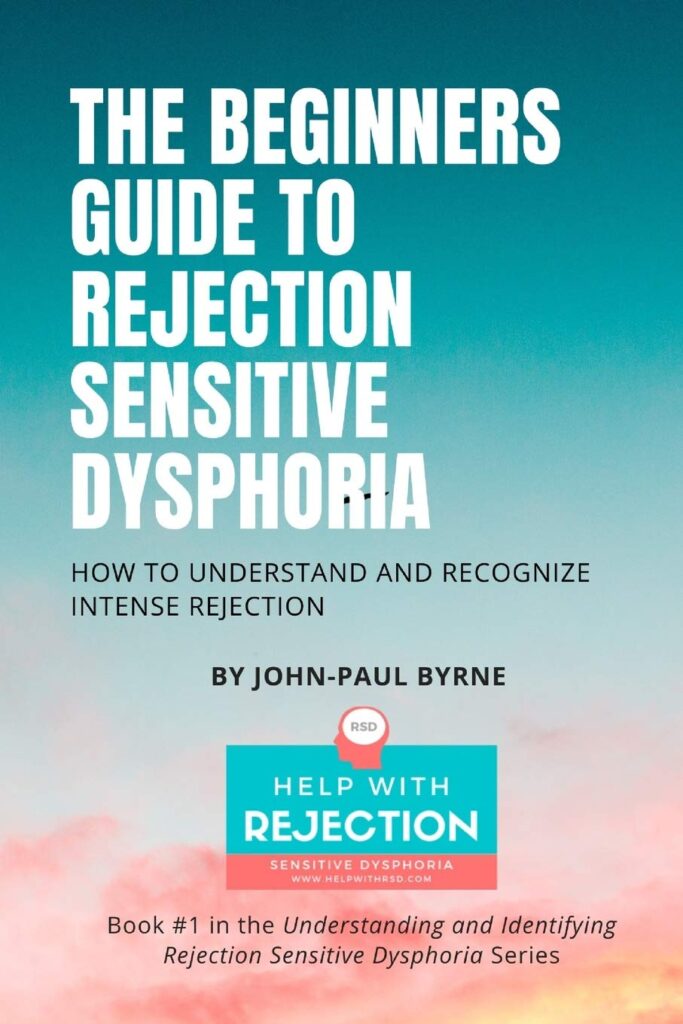
Another type of mushroom, cordyceps, has been found to help improve energy levels and stamina which may help those with ADHD manage their day-to-day tasks better. Cordyceps are a type of fungus that grows on caterpillars and contains compounds that can increase physical performance.

Finally, lion’s mane mushrooms have been studied for their potential benefits for mental health, including improving focus and concentration in people with ADHD. Lion’s mane mushrooms are rich in polysaccharides which help to reduce inflammation in the brain, as well as improve cognitive function.

Overall, many different types of mushrooms have been found to have potential benefits for those with ADHD. However, it is important to remember that more research is needed before these claims can be definitively proven. It is always best to consult your doctor before trying any new treatments or supplements for ADHD.
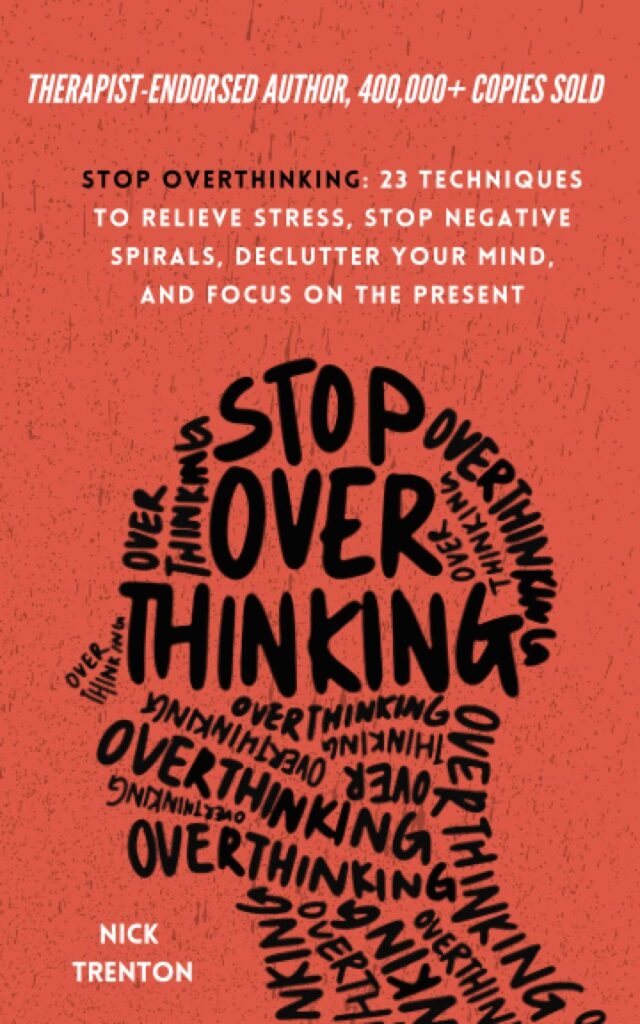

Where Can I Get Mushrooms for My ADHD Treatment?

Purchasing mushrooms for the treatment of ADHD is a relatively simple process. Generally, people buy mushrooms that are grown commercially and available in stores, either dried or fresh. Additionally, many companies now offer home-grown mushroom kits, allowing you to grow your own mushrooms for use in treating ADHD. Additionally, many health food stores offer herbal supplements containing mushrooms that may be beneficial for treating ADHD, such as Chaga, reishi, and lion’s mane mushrooms. It’s important to note that some of these herbal supplements may not be as potent as using fresh or dried mushrooms and should only be used as directed on their labels.
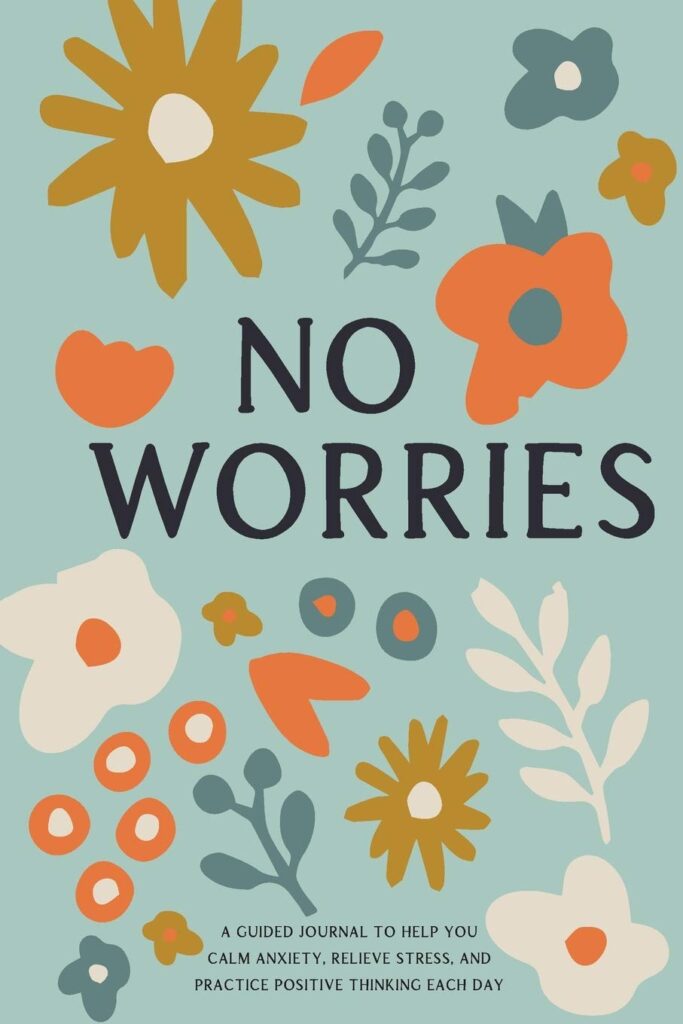
Finally, if you have access to wild edible mushrooms, it may be beneficial to incorporate them into your diet as well, but be sure to do your research before consuming any wild mushroom to ensure that it is safe to eat. By doing your research and exploring your options, you may find that incorporating mushrooms into your daily routine can be an effective treatment for your symptoms of ADHD.
  • Invest In Your Own Wisdom: Amazon has a plethora of Best Seller books on Mushrooms. Always do your own due diligence. And always talk with your health care professional before adding any mushroom to your ADHD treatment plan.
    • Your Psilocybin Mushroom Companion: An Informative, Easy-to-Use Guide to Understanding Magic Mushrooms—From Tips and Trips to Microdosing and Psychedelic Therapy
    • Christopher Hobbs’s Medicinal Mushrooms: The Essential Guide: Boost Immunity, Improve Memory, Fight Cancer, Stop Infection, and Expand Your Consciousness
    • Blue Thumb: How to Grow Psilocybin Mushrooms at Home: The Experiential Step-by-Step, Picture-by-Picture Guide

The Benefits of Mushrooms for Those with ADHD

Mushrooms are known for their positive effects on the brain, and recent studies suggest that they may have positive effects on those dealing with ADHD. One study from 2019 found that eating shiitake mushrooms, specifically, could improve focus and concentration in children who have been diagnosed with ADHD. Another study showed that consuming Reishi mushrooms improved symptoms of hyperactivity, impulsivity, and decreased restlessness associated with ADHD.



How To Incorporate Mushrooms Into Your Diet

Mushrooms are an excellent choice for those with ADHD looking to supplement their diet. Not only do they contain numerous health-promoting compounds, but they can also help regulate the dopamine levels in your brain, leading to improved focus and cognitive performance.

Including mushrooms in your daily diet is easy and straightforward. You can buy them fresh from your local grocery store or farmer’s market and sauté them in butter and spices for a flavorful side dish. You can also opt for pre-cooked mushrooms such as canned or frozen varieties, which are a convenient way to get your daily dose of mushrooms. Mushrooms can also be used in soups, salads, sandwiches, casseroles, and more.

In addition to eating mushrooms, you can also take mushroom extracts in the form of capsules or tinctures. These supplements are often made from several different types of medicinal mushrooms and contain higher concentrations of active compounds than regular mushrooms. They’re a great way to get a concentrated dose of mushrooms without having to eat large amounts of them each day.

Ultimately, incorporating mushrooms into your diet is an easy and delicious way to get more out of your ADHD treatment. From improving focus to balancing dopamine levels, mushrooms offer numerous benefits for those with ADHD. Speak with your doctor on the benefits of mushrooms in your particular case see how it works for you!

CUCUMBERS

CUCUMBERS

A Bountiful Fruit Bursting with AllNaturWell Goodness

Consume Cucumbers Daily

This is a bountiful fruit that you definitely want to keep in your crisper drawer at all times. Not just because they are delicious but because they are filled with such good stuff for the body that you need to be consuming them daily. And seriously, anyone who is dedicated to self care wouldn’t be caught without them.

Here’s a few things to know though when you are buying your cucumbers. First and foremost, avoid the fruits with shriveled or withered ends! Secondly, understand that some cucumbers are treated with wax after they are harvested and should be washed thoroughly, like with a veggie brush, before eating them. Cucumbers can be stored in the refrigerator for up to one week and are perfectly fine to eat with the flesh in tact – you don’t have to peel them. This is soluble fiber and you want and need that.

(You can watch this video to understand waxing of vegetables.)

Let’s Talk Cucumbers

First, these fruits are low in fat, cholesterol and sodium. (and that’s a pretty good start.) They are are composed of about 96% water, (great for promoting hydration) and are low in calories. And by golly you can buy them year round. And, while we are talking about buying stuff, remember that you want your fruits and veggies, and darn near everything else, as fresh as possible. That’s important! So create a routine of going to the market at least three times a week. – And yes, I know that sounds like a pain in the butt, but so is being unhealthy all the time! And if getting a bit healthier is as simple as creating a habit of walking into the grocers or farmers market three times a week to gather fresh produce for the next two days, well let it be done!

A Few Benefits of Cucumbers

Anyway, cucumbers are so beneficial that in India, for example, they have been grown for a trillion years now not only for food but for medicines as well. Because the cucumber is mostly water and contains an abundance of powerful electrolytes, using them for hydration is a no brainer.

Remember that hydrating doesn’t necessarily mean drinking just water. Eating fruits and vegetables that are high in water content are great too. And staying hydrated should really be a constant throughout the day. One of those mindless acts that you just do without really thinking about it. Your body needs water all the time. Without it, awful things begin to happen. Like constipation, kidney stones, and gut problems, to mention just a few, that you don’t really want to have! But the source of water does not always have to be taken in liquid form and cucumbers are an easy way to stay hydrated.

Ease Pain Naturally with Cucumbers

As well, cucumbers are believed to have anti-inflammatory benefits and when used directly on the skin produce a rather cooling effect that decreases inflammation and swelling, which in turn reduces pain! And, I am certain it goes without saying, that cooled cucumber slices rested across the eyes reduces under-eye puffiness. And by the way, you can use a cooled cucumber to sooth a sun burn.

Cucumbers contain antioxidants, including flavonoids and tannins, which is believed to prevent the accumulation of harmful free radicals and may reduce the risk of chronic disease.

Cucumbers also stimulate the pancreas to produce insulin that helps fight diabetes, while promoting healthy kidney function by reducing the level of uric acid.

Muscle and joint pain is lessened because of the amounts of vitamins and minerals cucumbers contain and it’s anti-inflammatory properties.

They are said to also lower your blood pressure, reduce your chances of developing certain kinds of cancers, promotes weight loss, eliminate toxins from the body and reduce cholesterol. (Heck, that alone is worth a few servings a day!)

And it’s so easy to do

Wash your fresh cucumbers well. (If you didn’t watch the ‘waxing process‘, you might want to. It’s important to understand that a lot of fruits and vegetables go through this process and once you see it, you will realize that even when choosing to eat fresh, you really need to know what is taking place in the whole food manufacturing process. You don’t want to consume this wax!)

Cut your cucumbers into bite size cubes – skin on – or slice them. Put them in small, well sealing containers and refrigerate, ideally for the next two or three days. Keep them in front of you and munch away.

I personally create two or three of these small containers every few evenings before going to bed and put them in the frig overnight to be added to my lunch break and with my evening meal. (Or the snack I eat when I binge watch Netflix instead of doing laundry – but that’s another post.) Here’s how I prepare mine.

A Few Favorites To Get You Started


Read Our Affiliate Disclaimer Here

An Easy Recipe

The small containers I use hold about a cup of veggies and will compliment any dish you may have for a lunch break, salad topper, side dish or snack.

I thinly slice up some cucumbers, red onions, a few cherry tomatoes, that I tend to leave whole, and some celery, if I have any on hand. In a small bowl I combine 1/4 cup cider vinegar, 2 tablespoon olive oil – I use extra virgin but that’s just my preference – 1/2 teaspoon each sugar, salt and fresh dill weed. Add a bit of pepper to taste. Whisk the ingredients to combine well and pour it into the jars over the cucumbers. Seal them up and put them in the frig! Whala. You are done.

Or Do It Dian’s Way

My girlfriend Dian, who uses the same recipe and set up for her cucumber snack jars, save but for the fact that she de-seeds and cubes her cucumbers, also packs a bit of her favorite lettuce variety in a larger salad container. When she’s ready to eat her lunch, she pours the cucumber snack, dressing and all, across the lettuce leaves! (add a little crumbled Blue Cheese, a hard boiled egg and some of last nights tuna steak and this chick instantly creates a healthy, filling salad to die for.)

Bottom line? Cucumbers are AllNaturWell goodness. Eat ’em up!

A Few Favorites To Get You Started


Read Our Affiliate Disclaimer Here

LEARN TO LEARN ABOUT YOU

LEARN TO LEARN ABOUT YOU

Knowing Yourself Is The Beginning Of All Wisdom – Aristotle

Sometimes you just have to step back and take in the whole scene to get a better view of a situation. Learning to know yourself better is a bit like that. And, in all reality, it really is where every change has to begin. It all starts with the man, or woman, in the mirror. Choose to take the time to Know Yourself Well first and the ‘real’ changes that need to be made will slowly begin to reveal themselves.

What a wonderful way to start…. With a simple choice!

The problem is most people never think to stop and ‘self examine’ before they try and make desired changes. They just listen to the latest trend and leap, hoping for the best. Unfortunately, that approach rarely works.

A far better plan is to make a plan. Step back and truly take a good, long, honest look at the reflection in the mirror. Forget what you’ve read on the internet, ignore the latest trends and stop reading emails from ‘experts’ that can fix any problem you have. They can’t. But you just might!

Here at AllNaturWell we believe in Therapeutic Journaling as a tool for self discovery and self betterment The truth is that when it comes to learning to learn about you, the best person to talk with and observe is yourself. The best way to study those findings is to have a record of them. Journaling provides this. Not only will you discover the good, the bad and the ugly about yourself, but you will discover the deeper things that gave birth to these characteristics and habits. And from these discoveries you will also know what habits to retain and which ones would be best to eliminate.

You will also discover what makes you unique.

LEARN TO LEARN ABOUT YOU

Knowing Yourself is the Beginning of All Wisdom.

Sometimes all it takes is just a few, small changes to set the wheels of whole self wellness and improved personal health into motion. (And by the way, that’s the order in which this truly happens. Not the other way around. Improved personal heath develops as whole self wellness evolves.)

But anyway, even the smallest of changes can sometimes be easier said than done. After all, we are definitely creatures of habit. Unfortunately, some of those life long habits are keeping us – shall we say – less than at our best – and self imprisoned where we are.

Likewise we know that the changes need to be made – most likely – sooner than later. But exactly how does one begin making those small, but necessary, changes in the fast paced, habit laced world we’ve, over time, created for ourselves? And, more importantly, when you are set in those ways and just can’t seem to make, or stick to, a plan. You know you should, and maybe you could, but how, and where, do you start.

Know Yourself Well First

Well, here at AllNaturWell, we believe in starting small. We also believe you have to Know Yourself Well first. And not necessarily just things in your past, although all of your present habits obviously began there. And it’s not altogether about your future dreams or desires (just yet). It’s about right now. Today. And the realization that you must first CHOOSE to start making changes to improve your over all well being and health. Your body, your mind and your spirit. And, to our way of thinking, learning to learn about you, Knowing Yourself Well first, is the right place to begin.

Because, honestly, you probably don’t know you as well as you might think!

Understanding Habit

Understanding What ‘Creature of Habits’ Means

Before we begin, let’s get an understanding of what ‘habit’ and ‘creature of habit’ actually means. Because most people know what the word means,  but don’t really know to what extent these little idiosyncrasies may contribute to their day to day lives, it’s important to discover which ones are good and keep-able or bad and dismissible. Discovering these, and adjusting them (or locking them in as helpful and/or acceptable) is an important part of your personal self discovery journey. And the perfect way to discover them and determine their importance or detriment

Simply put, a habit is a routine of behavior(s) that is repeated regularly and tends to occur (semi)subconsciously. Habitual behavior often goes unnoticed by the person exhibiting it, because a person does not tend to engage in ‘self-analysis’ when undertaking routine tasks. Researcher Wendy Wood found that approximately 43% of daily behaviors are performed out of ‘habit’. Nearly half of every day is spent on robotic, detached, auto pilot. Behavioral’ patterns, that we repeat over and over again, become imprinted in neural pathways that become automatic or habitual.

‘Creatures of habit’ are individuals who repeat the same activities in the same order over and over again without actual thought given the action. This can be anything from taking the same route to work each day to having the same breakfast every morning. It has been said that creatures of habit are more successful and productive because they are able to focus on their ‘tasks’ without having to worry about making decisions. They simply trust habit.

For some, being a creature of habit can be a good thing. Having a routine can help to relieve stress and provide structure to the day. It can also reduce the amount of time spent on mundane tasks and free up energy to focus on more important things. Having a set routine can also help to keep a person organized, as they know what needs to be done and when. These are called ‘good habits’ by some.

On the other hand however, being a creature of habit can also have its drawbacks. For example, if someone is too set in their ways and unwilling to try new things, they may miss out on opportunities or experiences that could make them happier, healthier and more successful in their personal endeavors. Additionally, it can be difficult to be creative or innovative when stuck in the same routine.

Overall, it is important to find a balance between being a creature of habit and being open to new experiences. It is important to remember that some things never change and that it is important to stick to the routine that works for you. At the same time, it is important to be willing to try new things and keep an open mind. This can help to keep things fresh and exciting and provide you with more opportunities to grow.

Understand that mindfulness can replace mindless ‘auto pilot’ and unhealthy habits can be replaced with more desired ones. By the same token, the same mindfulness can keep those productive, healthy habits in tact.

Where Do You Begin

Facing the Woman in the Mirror

Sometimes you just have to step back and take in the whole scene to get a better view of a situation. Learning to know ourselves better is a bit like that. And, in all reality, it really is where every change has to begin.

It all starts with the man, or woman, in the mirror. Choose to take the time to Know Yourself Well first

and the ‘real’ changes that need to be made will simply reveal themselves.

What a wonderful way to start…. With a simple choice!

Make A Choice

The problem is most people never think to stop and ‘self examine’ before they try and make desired changes. They just listen to the latest trend and leap, hoping for the best. Unfortunately, that approach rarely works.

A far better plan is to make a plan. Step back and truly take a good, long, honest look at the reflection in the mirror. Forget what you’ve read on the internet, ignore the latest trends and stop reading emails from ‘experts’ that can fix any problem you have. They can’t.

But you can!

Simply CHOOSE to learn about yourself. Self examine – and honestly ‘see’ the real you. Then choose to make the small changes, whether that be making or breaking habits, one small step at a time, that will naturally begin to morph you, one day at a time, into the person you truly want, and can, be.

It’s All A Choice

Choosing to ‘learn about you’ is an important (and not nearly as easy as it sounds) first step toward achieving personal contentment, happiness, inner peace and whole self wellness and health. Likewise, it’s a great way to recognize certain aspects about yourself that already make you unique. Never forget that you are indeed a wonderful and NECESSARY creature in this world. And you deserve to be happy, healthy and fulfilled. But, like so many, we have somehow, somewhere along the way, become someone – by way of our long lived beliefs and habits perhaps – that does not necessarily give us either health or happiness. In fact, may actually bring depression, confusion, regret and bad health. And none of us deserves any of that. Including you! So choose change and let the morphing begin.

A Solo Journey

Simply CHOOSE to begin to learn about you. And don’t select a date on the calendar. Don’ pick next Monday. Start right where you are. Right here. Right now! Begin this very moment to start learning to learn about you!

And start with this question. Do you truly want to know you?

Are you sure that taking this journey of ‘self exploration’, ‘self discovery’, is a task you are up to? Contraire to what everyone wants to make you believe, it’s not an easy thing to do. You can expect to release smiles, tears, regrets, shame, laughter, pride, embarrassment and any number of emotions, some of which you may not be able to readily accept about who you have been in your past or who you portray yourself as now. But that’s okay. After all, it’s why you are here. To find the real you, the person you always truly were and are now choosing to bring to the surface.

It’s important to understand as well that this is a ‘solo journey’. Again, others will insist that it is a journey you can take with others at your side. It’s not! Oh, don’t get me wrong, you can definitely share with friends and family what you intend to do. And you may even enlist their ‘help’, thinking it will improve your odds of success. But, honestly, you will quickly learn that it does not. And in fact, will most likely aid in your failure.

“Please help me stop chewing my nails,” you may say to your sister for example. “I really want long, beautiful nails like those I admire on others at my office.” Well guess what sweetie, your sister can do nothing to keep you from gnawing away at your finger nails save but to sit on you or tie your wrists behind your back. And, I can safely say, that’s not likely to happen. And in fact would not really fix the problem anyway. I promise as well,  that those long beautiful nails would not create the peace or happiness you are truly seeking. BUT –  discovering WHY you habitually chew your nails just might get you closer. Figure out why you insist on chewing your nails and remove the ‘trigger’ that causes it and you will find improved well being (body, mind and spirit) AND you will have better nails to boot! Now that’s a win-win for you and a first step in the right direction.

Likewise, it is unlikely someone will be putting a leash around your neck and dragging you along behind them on an ‘every evening’ walk that you insist ‘they need’ to make ‘you do’ everyday so that you can lose 20 pounds. Again, that is just not how this works! Learn this quickly. It must be about you, for you and BY you. Again, you can do this with someone, or many if you wish, but the bottom line is that YOU DO IT FOR YOU no matter what excuses others may produce.

Realize (and adopt) that no one can make you honest, trustworthy, mindful, caring, health conscious, kind or happy. Likewise they can’t make you obese, a drunk, mean, a liar, depressed, uncaring, etc. At the end of the day, it’s you and only you! So make sure you understand that first. This is a one way hike with only you! So first ask yourself: Do I really want to know me? Do I really want to be the person I was meant to be? Can I really start changing while explaining to no one? Because it’s the only way to go. Solo.

How Do You Begin Learning About You

Journaling is the only way to go, as far as we are concerned. It’s as close to talking to yourself as you can get but with the benefit of remembering what you thought, felt and did say,or do, at the time. And understand that each of these ‘actions’ is as important as the other. What you thought, what you felt and what you said (or how you reacted) explains a lot about yourself.

For example: A co-worker (you know only slightly) walked in to the office dressed in an outlandish, god awful outfit, but obviously felt very good about herself. What did you instantly think? (OMG! What the heck was she thinking this morning? Or maybe you smiled, wishing you could have such a happy, confident spirit all the time.)

Another co-worker (one you know better but don’t necessarily connect with) then walked up to you and whispered sarcastically about the outfit. What did you feel? Did your mind instantly change from ‘omg’ to ‘what makes the difference’? (Or maybe the other way around?) Or did you instantly agree (your mind suddenly made up by the other persons attitude – that may not have actually been your thought at all) with equal sarcasm? Did you instantly defend the unaware co-worker, reminding the person it doesn’t matter what she has on, she is obviously cheerful and happy? Or did you laugh along weakly, even though you wanted to defend her but remained silent? How did you feel about yourself when the moment ended?

Now that may all seem a bit extreme, but here’s the point. Which person are you? Truly. Not the one you ‘portray’, but rather the deep down person you really are. (Were you jealous of her self confidence? Were you embarrassed for her? Were you impassive to it all until the other person stepped in with an opinion? Were you afraid to speak out at the other person’s rude remarks? Were you too weak to do anything else but to laugh along? Did you want to laugh too? (You get my point.)

Here’s the scary part. No answer is wrong as long as it’s YOUR truth. And that might mean coming to understand you are weak, easily led by others, insecure, etc. (Maybe a small change might be needed in this area.)

Hypothetically, play this one minute scenario in your mind (because that’s all the longer it took) and ask yourself who you truly are. Ask yourself why you thought, felt and responded in the fashion revealed.

Are you the person who saw an ugly dress or the one that saw the smile and happy spirit? Are you the person who said nothing while someone else made fun of another or the one that pointed out the positive. Are you the kind that goes along with ‘whatever’ silently when in reality you want to stand up? Can you say you were proud of yourself and the way you handled the moment after it had passed? Was your spirit content and proud of the way you thought, felt and reacted in these sixty seconds? Did you walk away mad at yourself wondering why you had said or reacted in a certain way knowing that in fact you didn’t feel that way at all?

It sounds simple but in reality it is not. Yet these are the moments that reveal the most about you – to you. (Try to understand as well that every day of your life is made up of multitudes of ‘moments’ like the one described.)

The small changes needed can also create the largest challenges to most. However, they are likewise the ones that create the greatest rewards. What I mean by that is that learning (and actually ‘allowing’ is the correct word) ‘allowing’ yourself to be exactly who you are in every ‘moment’ will give you such natural, inner peace that you will (subconsciously maybe) begin instantly morphing into the ‘real’ you. Just one small shift, and I do mean tiny (like simply reacting or not reacting) will start an avalanche of changes only you may realize are happening. And it will probably be your spirit that will morph first. Inner peace is divine and addicting. And, once you are over that line, you will long for it.

So start by asking yourself a few tough questions. As you are writing about your day, ask yourself (and actually write the question out) why did I say that? What was I actually feeling? Why did I get so angry? Why did I lie about that? You get the idea. Then answer those questions honestly.

Understand first that each of us has been so firmly conditioned by our past experiences (both good and not so good) that we tend to act, and react, out of unconscious ‘habits’ that we have adopted over the years as our own, that are not necessarily true about the ‘real’ self and do not actually bring any lasting happiness, true inner peace or personal whole self wellness. So be brutally honest, but don’t judge yourself too hard if you discover some negative things about yourself in this little experiment. A few small changes will set you back on the right course. It’s why you are here.

The secret here is to ‘think’ on each question and then ‘talk to the man in the mirror’ to get to a ‘real’ answer, which may or may not be the one that comes first to mind. Answering these questions may take days to decide, rather than minutes or hours. And that’s okay. After all, self exploration is a journey you should take mindfully, honestly and with patients.

Plus it can be both exciting and rewarding. Self awareness, mindful self respect and true to self living can bring whole self wellness and health to anyone who simply CHOOSES it.

Start By Spending Quality Time With You

Start by spending ‘calculated and well planned’ quality time with yourself. It is a perfect next step in the right direction when it comes to learning about the real you. And I am not talking about the time you spend doing laundry or cleaning the house. I’m talking about time spent mindfully enjoying your own company for the sole sake of enjoying you.

Sounds easy, right? Well, if you’ve never done it before, it’s not as simple as one might think. In fact, you might find it quite difficult at times. But it really is the next step in self discovery, whole self wellness and quite literally, self freedom.

So start simple. Block off one half hour everyday for seven days to start your journey. Turn off the TV (forever! – it’s very bad for your whole self wellness and even worse for your health! – but that’s another post), turn off the music, turn off your cell phone and shut out the world. Go to your hygge place and sit quietly for thirty minutes. Glance through your favorite magazine. Sip your favorite coffee or tea. Enjoy the view from your window. Write in your journal (we will get to that in a minute). Day dream a bit. Count your blessings. Talk to God. Watch the rain fall. (You get the idea.) Be right there, with you, mindfully living in those moments! Nothing else matters.

Now this is important! Do not sit there and worry about the bills, the laundry, the next meeting you have to attend. Don’t fuss over the disagreement you had with a sibling or stew over the reprimand you got at work. This is about being with you. Let everything go for thirty minutes. Just breath. Relax. The world will wait. Trust me. It will be right there when you come back to it. However, it will not be as heavy as it was before. And it will keep getting lighter as you learn to take ‘planned’ time with you.

Journal Your Way Straight To You

Journaling is simply recording of your thoughts and feelings throughout a day. There are no rules to be followed and no right or wrong way of getting it done. But it should be done daily and as close to the same time every day as possible to give the greatest benefits.

This will be the very first small change you make. Promise yourself 365 days. If, after that, you decide it’s not for you, you can at least say you gave it your best shot and honored your own words to yourself.

Now let’s talk journals for a moment, because this too is important. You can write on darn near anything. A laptop – which I do not suggest. I honestly believe that writing out your words with pen in hand is more therapeutic than having spell check correcting your every imperfection. (We kind of like knowing our slight imperfections don’t necessarily define or condemn us.) You can write in a note book, and that’s fine when you are just starting out, but I suggest that you search out your own flavor of journal. (My favorite is shown above and elsewhere on this page.) I prefer this journal because I came to realize that as I recorded my personal life, my honest thoughts, dreams, emotions, fears, accomplishments, failures, regrets and gratitudes, I began liking the feel of it in my hands. I liked holding the thick volume that patiently waited to receive my pen and every heart felt word that came with it. It was strong yet movable. Worn, yet with a look of wisdom, something I trusted, soft yet tough enough not to break. There was just something about it that became so trusting and familiar, that I looked forward to telling it just absolutely everything. Honestly and without shame or regret. (And, in all fairness, after a few months, knowing it was laying there by the bed waiting to ‘hear’ all about MY day, somehow made me more mindfully aware of my emotions, my actions and my reactions throughout the day. Strange as it may sound, I did not want to write anything I would be ashamed of in that book ‘about me’. I wanted only to record wonderful, happy messages.

Of course, that did not happen. I recorded everything and we all know life is not all peaches and cream and we are all imperfect creatures. But I will admit, the negative became less and less, the more I learned about me and started living MY life according to MY values (which I was discovering), my ideals (which I began developing) and my desires (which seemed to slowly reveal themselves). Choosing ME over everything transformed me little by little and I could see it happening by writing in this favorite journal. You will too. It becomes a part of you, unlike a notebook or your computer. So definitely seek out that journal that feels perfect in your hands. (I reveal journals throughout this site so definitely take a look at them.) In the mean time however, grab a notebook and start recording your daily walk today.

You may also be interested in the articles below

1.)Identify Unhealthy Habits: There are three main components to habit formation: the context cue, behavioral repetition and the reward. By learning to recognize these three components in your life, habit ‘triggers’ can be identified and changed. View Post

2.) Choose To Change: Whether you realize it or not, you have the power to become, or un-be, what ever you want. Everything about change is already in you. And everything about choice is already yours. Choice is your birthright. Executing it is always within your power  View Post

3.) Create Your Plan and Work Your Plan for Change: By creating a specific plan of actionable steps, your process will be far less stressful, easier to execute and totally traceable. If you find yourself slipping or veering off-track, and you will, having a sound, workable plan, will allow you to quickly refocus and begin again. Start with these 5 steps

Rejection Sensitive Dysphoria

Rejection Sensitive Dysphoria

What It Is And How To Overcome It

Rejection Sensitive Dysphoria (RSD) is a condition that is characterized by an extreme sensitivity to rejection. (Real or imagined.) People with RSD tend to experience intense feelings of anxiety, depression and/or rage when they are rejected – even if the rejection is minor (or imagined). RSD is often comorbid with other mental health conditions, such as anxiety disorders, depression and eating disorders. It can also lead to self-harm and suicidal ideation. RSD is part of ADHD. It’s neurologic and genetic. People with RSD often experience intense feelings of shame, inadequacy and worthlessness in response to even the smallest perceived rejection. RSD can have a profound impact on a person’s life, leading to social isolation, anxiety, depression and suicide.

Rejection Sensitive Dysphoria is when a person feels intense emotional pain related to rejection. RSD is often associated with conditions such as attention deficit hyperactivity disorder (ADHD) and borderline personality disorder (BPD), but it can also occur on its own.

Common symptoms include:

– Feeling overwhelmed by fear of being judged or rejected
– Excessive feelings of insecurity, shame, and guilt
– Avoiding social situations and activities due to fear of being rejected
– A strong need for approval and validation
– Avoiding activities in order to avoid criticism
– A preoccupation with what other people think
– Feeling easily embarrassed or humiliated

RSD can cause physical symptoms such as racing heartbeat, sweating, and anxiety. A person might also get  headaches, nausea, and rashes in response to rejection. These physical symptoms may be a sign of chronic stress caused by RSD.

RSD can also lead to mental health problems such as depression and social anxiety. As the condition is so closely associated with fear of criticism and rejection, it can have a significant impact on relationships, work, school, and nearly every other aspect of life.

Keep in mind, the word dysphoria means overwhelming or unbearable. A dysphoric mood is a consistent state of profound (unbearable or overwhelming) unhappiness, dissatisfaction and utter hopelessness. This is not a passing moment, but rather a lingering emotion that remains present and constant.

People struggle with letting go of past hurts and/or rejection and struggle with heightened emotional sensitivity. They may hold onto unkind words or actions
directed towards them for months or years. RSD can also reflect a personal belief that you have let someone down.

The important thing to understand is that having Rejection Sensitive Dysphoria does not make one weak or incapable. It means that the RSD brain is wired to feel things more intensely and replay unpleasant interpersonal interactions over and over.

So what does this really feel like?

Like ADHD, Rejection Sensitive Dysphoria is unique to each person. No two brains work alike and with RSD it is no differant. However, for most, who can actually explain what they are feeling, it’s like receiving a physical wound. Everything instantly hurts. You could feel the sudden wave of nausea, get a racing heart beat, a throbbing headache overpowers you.  Emotionally you might want to cry, scream or throw things. Everything is seen through a dark, hopeless perspective.

In layman’s terms – RSD is a  triggered, wordless emotional pain that occurs after a real or perceived loss of approval, love, or respect. Simple things that, to a neurotypical person, would barely warrant a sigh of disappointment, will send the person with RSD, who is unable to properly filter and process these rejections, immediately spiralling into a dark void of anxiety and self-loathing. The ‘pain’ is extreme.

Read the words from those who actually suffer from RSD in this post from ADDitude. They will give you some real insight into what RSD actually feels like.

How Does RSD Really, Actually Feel?

First and foremost

Experts aren’t sure exactly why RSD happens, but believe it involves issues with the structure and the size of the brain, much like those with ADHD.

Researchers do know that social rejection does cause similar brain activity to that of physical pain. Likewise, research has proven that the ADHD brain doesn’t regulate internal communication the same way as the neurotypical brain. The brain areas that filter and regulate signals aren’t as active and could likely explain why rejection is so much more disturbing and painful to someone with RSD.

A Few Favorites To Get You Started

Read Our Affiliate Disclaimer Here

get the facts Once diagnosed, it’s important to get the facts on RSD. Like ADHD and Bopolar Disorder, there is a plethora of data to digest. But it is important to know exactly what you are dealing with. Remember my motto: Knowledge is power and you want all the power you can get. Become the expert on the subject and you will be all the better for it.

Learning about Rejection Sensitive Dysphoria is an essential step in managing it and purhaps, in time, conquering it. Because every case is unique and no two people with this emotional dysregulation, that’s what it’s called by the way, act or react in the exact same way, it’s important to learn all about your own situation. So it’s important to become as informed as possible about RSD and the various treatments available for it. Then determine which pieces and parts that you identify with and concentrate on mastering those first. From there, the sky’s the limit.

ADDitude has a wonderful – free – download: rejection sensitive dysphoria: why it happens, what it looks like, and what you can do to get the help you need. It’s a great place to start. So what causes Rejection Sensitive Dysphoria.

That’s a big one. However, rejection sensitive dysphoria is believed to be a result of a combination of genetic, environmental, and psychological factors.

Genetic: Research suggests there may be a relationship between RSD and certain genes. A 2017 study found that a gene called FKBP5 may be involved in the development of RSD. However, more research is needed to determine how genetic factors may contribute to RSD.

Here’s one study to read on the subject: Rejection sensitivity and disruption of attention by social threat cues Here’s another : New Insights Into Rejection Sensitive Dysphoria Psychological: Psychological factors may also play a role in the development and maintenance of RSD. Stress, anxiety, depression, and emotional trauma have all been linked to RSD. Additionally, individuals with RSD may have high levels of neuroticism, and some studies suggest that a history of childhood abuse or neglect may increase the risk of developing RSD. (However, many studies also insist that a trauma  does not necessarily contribute.)
More research is warranted on the subject but it’s good to know that it is being studied seriously.

Negative self-talk and beliefs about oneself may also contribute to the perpetuation of RSD, as well as a lack of social support or a history of interpersonal difficulties. It is important to address these psychological factors in conjunction with medical treatment in order to effectively manage RSD.

Cognitive-behavioral therapy and other forms of psychotherapy can help individuals to reframe their negative thoughts and beliefs, manage symptoms of stress and anxiety, and develop healthy coping strategies. It is also important to address any underlying emotional trauma through therapy. By addressing these
psychological factors, individuals with RSD can better manage their symptoms and improve their overall quality of life.

Neurological: RSD is thought to be caused by a dysfunction in the way the nervous system processes pain signals. This dysfunction may be related to a
malfunction in the sympathetic nervous system, which is responsible for the body’s physical response to stress. Additionally, recent studies suggest
that RSD may be related to changes in the brain’s processing of pain signals, specifically in the thalamus and insula regions..

Environmental Factors: People with RSD may have had a history of abuse, bullying, or traumatic experiences. This may lead to a heightened sensitivity
to criticism and rejection.

RSD is most commonly associated with attention deficit hyperactivity disorder (ADHD). People with ADHD may experience RSD as a result of their difficulty
with social skills, impulsivity, and emotional regulation. Rejection sensitivity dysphoria is a common condition co-existing with ADHD.

It is important for individuals who experience symptoms of RSD to seek professional help from a mental health provider. Treatment may include therapy,medication, and behavioral interventions.

The latest studies

Keeping up with the latest finds on the subject of RSD is paramount. This topic is still listed in the newish column but conversations are a plenty.
Studies are being conducted and hope is definately on the horizon.

Here are four resources that you will want to start with and follow throughout your jouney. They will constantly keep you abreast of the lastest on the
topic of RSD.

CHADD.org
ADD.org
Additudemag.com
HowtoADHD.com

Remeber that rejection sensitive dysphoria appears to be the one ’emotional condition’ found only with ADHD. Early research on ADHD overlooked rejection sensitivity because it was often, purhaps without intent, hidden.

Keep in mind that RSD is an extreme emotional sensitivity and emotional pain triggered by the perception or  imagination by the person with ADHD that
they have been rejected, been teased, been criticized, disappointed important people in their lives and/or withdrawn their own approval of themselves
when they failed to attain their own standards or goals.

Also realize that the ‘pain’ is extreme. “Dysphoria” is literally Greek for “unbearable.” The pain is so overwhelming that people struggle to find words for it.

Understanding these characteristics will help with your research and decipher correct data from ‘not so good’ data.

so what’s a body to do

Here are a few tips for learning about your RSD:

1. Of cource read books and articles on RSD. There’s a lot of data out there and not all of it is correct. So it’s important to read works written by mental health
professionals.

2. Speak to and/or read posts written by other adults who have been diagnosed with RSD and learn from their experiences. Real life solutions can sometimes trigger
solutions for yourself. Learning what other have done to find relief might trigger ideas for you as well. Also, just having someone who actually understands what
you are going through can be very helpful.

3. Learn about how you can make cognitive-behavioral changes to manage your symptoms. Walk therapy, talk therapy, spiritual therapy, mediation, nature therapy,
and/or journalling might be beneficial.  Test each approach and perfect the ones that work for you.

4. Research medications used to treat RSD and the potential side effects. This is extremely important. If the cure is worse than the disease, you really want to
know this. Do your own due diligence and talk things out with your health care provider. Remember, RSD is not yet an officially recognized medical condition so
there aren’t any medications specifically approved to treat it. Instead, healthcare providers use a practice known as “off-label prescribing.

Here are a few common drugs you should research:
Atomoxetine
ADHD Medication

Monoamine Oxidase Inhibitors (MAOI)

5. Learn about herbal and natural treatments that help with RSD. These might include dietary supplements, certain foods, herbs, spices and/or mushrooms.
Here at AllNaturWell, it’s one of our favorite subjects so you will find the topic discussed repetitively here.

6. Learn how to learn about you. This one is paramount. Get a journal and start figuring you out. You now know what is taking place inside of you.
A slight defect that does not have to define your life. Get control over it and start your journey toward a more peaceful life. The more you become your real self, the less you will worry about fitting into a world that wasn’t necessarily designed precisely for you. This action alone will  lead to more contentment and inner peace. And you will be surprised at what inner peace will do for the body and the mind. The spirit is a powerfull entity.

7. Learn about nutrition and dietary changes that will help. You already know that what you eat can effect your brain. So get a food journal and start tracking
what you eat and drink. Take this part seriously and you are off to a good start. The important thing is to learn about the foods you consume and recognize how the body and brain react to them. Then act, or react, in good manner.

A Few Favorites To Get You Started

Read Our Affiliate Disclaimer Here

so what should you do right now

Get a journal and start learning to learn about you. We here at AlllNaturWell believe journalling is the right place to begin. Discovering who you truly are is
a great aid in managing not only RSD, but ADHD and Bipolar Disorder as well. It’s a way to get a grasp on your new found characteristic and ‘take control’ of it. Writing things down allows you to ‘see’ certain patterns in yourself that can be used (or un-used) when learning to manage, and purhaps master, your mental health for the long haul.

As always, I’ve listed a few suggestions below but Amazon has a great variety when it comes to journals, diaries and planners. Again, if you have never journaled, start with something that gives you prompts, reminders and encouragement. And don’t make it chore. Make it a tool that works for you. You might just be the most interesting person you’ll have the pleasure of knowing. So go ahead. Let the self discovery begin.

A Few Favorites To Get You Started

Read Our Affiliate Disclaimer Here

A little off topic

While I have you here let me add a few hints about ‘thoughts’ journaling. First grab a journal that feels good in your hand. (Here’s the one I use)
And by that I mean one you can get attached to. This journal will soon become your best friend and closest confidante. Somedays you will write like
a best selling author. Other days you will doodle because you have nothing to say. And that’s okay. Just make sure you go to that book everyday for your
good mental health.  And trust me, you will soon know eactly why.

With that said, when I first started researching neurodevelopmental disorders, which is what we are talking about when addressing ADHD, I began keeping
notes on all the information I was suddenly taking in. And that was okay, and necessary, but I also quickly learned that I had to know far more about my
son-in-law. I needed to know about his daily actions, his diet, his habits, his sleeping routine – of which he had none – and so many little idiosyncrasies
I hadn’t realized even existed. Without this data on a daily, I was simply stabbing in the dark. So I ask him to start keeping a very detailed account of
everyday for one month. This data proved priceless. Patterns began to reveal themselves and a road to managing his symptoms began falling into place.
Dim little lightbulbs started popping on. And all with very little effort on his part.

So for the first thirty days after being diagnosed, whether that be ADHD, RSD or Bipolar Disorder, it would be wise to start understanding your
own habits – both good and not so good. Write down everything you consume in a day and the time you ate it. Detail any symptoms – when they are
heightened or drop off. Pay close attention to your water consumption. Detail the amount of caffine you take in. Record what time you retire to bed and
what time you wake. How tired were you when you went to bed. Did you fall fast asleep or was it a restless night. Did you rise in a good mood? Bad mood?
Dragging or hopping right into the day? What did you eat for breakfast. Did you leave for work on time? You get the idea. Every move is relevant. Literally.

With that said, I do believe, that for many of us anyway, spending time exploring who you truly are in your day to day, can only lead to a healthier
body, an eased mind and a content spirit. A combination that each of us is looking for. Learning to journal, and taking the results seriously, is one
of those necessary ‘small changes’ that need to be put into place for the whole self wellness.

A little side note here: Keeping more than one kind journal could make the process easier. Keeping a dietary journal seperate from your thoughts
journal might reveal certain things that will become relevant over time.

back on subject

Lets’ step back and take in the whole picture that’s been put before us.

Being diagnosed with RSD, ADHD or Bipolar Disorder can be scary. But, in some way, it can be a relief. Knowing the devil you’re dancing with does give you a huge advantage.
And a bit more power.

So let’s recap a moment. The brain is a communication network where messages are sent from one brain cell to the next. There is a gap between these cells, called neurons,
which is called a synapse. In order for messages to be passed along smoothly, the synapse needs to be filled with a neurotransmitter. Neurotransmitters are chemical messengers, and each one is responsible for different functions.

The key neurotransmitters for the ADHD brain are dopamine and noradrenaline. In the ADHD brain, there is ‘dysregulation of the dopamine system’. This means, in layman’s terms, that there is either too little dopamine, the dopamine is not being used efficiently or there are not enough receptors for the available dopamine.

It has been proposed that if you have attention deficit hyperactivity disorder there’s a good chance you could also have Rejection Sensitive Dysphoria.

Rejection sensitive dysphoria is when you experience intense emotional pain because of feeling rejected. This condition is linked to ADHD. Experts believe this happens due to differences in brain structure. Because of those structural differences, the brain can’t properly regulate rejection-related emotions and behaviors, making them much more intense.

Medicines used for ADHD often help ease the symptoms of RSD as well

Here are a few articles that will throw some more light on this topic. They are short reads with a plethora of data.

ADHD vs. Non-ADHD Brain – WebMD

Dopamine – Health Direct

Norepinephrine (Noradrenaline) – Cleveland Clinic

keep going

Now that we’ve covered RSD in layman’s terms, definately dive deeper on a daily basis. Make it part of who you are. Create the habit of reading one relevant article, study or email on the subject daily. Now that’s not to say they will all be relevant to you, but it will force the situation where you stay tuned into the subject. All it might take is one relatable story to reveal a secret that makes your life easier and more enjoyable. And what’s a few minutes spent everyday reading a few thousand words that could deliver a tip, trick or study that could add to the peace and joy in your life.

And write, write, write. Get a journal and start your story today. I am not kidding when I say you are probably a stranger to yourself and have been most of your life.

And last but not least, experiment. By that I mean, try making a few small changes in your routine and see what happens.

Talk therapy for example might be a great place to start. Psychotherapy has become a promicing aid for people with RSD. People with RSD struggle with letting go of past hurts and/or rejection. They may hold onto unkind words or actions directed (whether real or not) towards them for months or years. RSD can also reflect a personal belief that you have let someone down. Therapy doesn’t stop RSD or affect the symptoms but can help a person learn how to better process and manage feelings.

And before we go any further, you must give everything a fair fighting chance to work. Four days to see if a suppliment has any effect on you is not a fair shot. Changes take time to cause results. Like a long time. Remember you have been suffering with RSD most of your life. So adding a suppliment – which I promote heavily at times – will take a bit of time to take hold. So, when you decide to add (or subtract) something to or from your life, make a vow to follow through for 365 days before deciding to retain or abort the action.

The bottom line is that now that you know your situation, take control of it, master it and keep going. Women with RSD, ADHD and/or Bipolar Disorder have made great strides in their worlds and so can you. Learn to learn about you and become who you were always meant to be. It’s never too late to enjoy your life.

Just A Personal Side Note: In all fairness, there’s is a whole lot more to getting a reign on your RSD. It takes a lot of research, soul searching and self discovery. And it takes a lot of adjusting and a whole lot of time and patience. My son-in-law was quite reluctant in the beginning but as I made suggestions, according to research I could show him, he did help himself by complying to my requests. I bought him a few suppliments I thought would help and my daughter started presenting differant meals to improve their diets and they created a bedtime ritual, that quite frankly benefitted both of them. I bought them a ‘thoughts’  journal and a ‘food’ journal and together they wrote his story. About 6 months into it, he himself realized just how much better he was feeling. His aches were lessening, he was actually sleeping 8 hours a day and he’d lost a conciderable amount of weight. His mind was not racing as much, his spirit was content and having a day filled with rewarding habits seemed to be the beginning of healing. Now although his diagnosis was not ADHD but rather RSD, did not seem to change things.

He was already on the right path to being the happy, carefree young man he once was. A year later, still following the game plan they had created for themselves, their family is happy, healthy and thriving. All because he took control of his situation by educating himself and following through with life changes that absolutely made all the differance.

a little off topic again

While I was researching, I came across a very interesting book that I just had to have – for myself – but I wanted to share it with everyone.

It’s called The Resolution Zone by Barry Sears. It’s a more recent book on the subject of inflamation in the body and the results produced.
It’s available on Amazon or on this post – ADHD: An inflammatory condition – The link between ADHD and obesity – that gives a ton of information on
Barry Sears and the book itself.

According to Mr. Sears, there two types of inflammation. The first is classical inflammation that causes physical pains. The second type is cellular
inflammation that is below the perception of pain. It is this type of cellular inflammation that causes disruption in the cellular signaling networks.
(Remember the message senders? That’s the signaling networks he’s talking about.) For example, if the inflammation is in the fat cells, the result is
increased accumulation of body fat. However, if the inflammation is in the brain cells, the result is increased neurological disorders, including ADHD.
It might be the place to begin your research.

A Few Favorites To Get You Started

Read Our Affiliate Disclaimer Here

Mag Fav / Subscribe today

Can adults with ADHD still enjoy their morning tea or coffee? Well, according to Science Direct and Healthline, a cup in the morning might be exactly what you need.

check out my favorites

Mag Fav

Grow Your Own Herbs

Available On Amazon

why you should add saffron to your recipes

The active compounds in saffron are called crocin, safranal, and picrocrocin and these compounds are thought to have a variety of therapeutic effects. When it comes to ADHD, saffron has been found to have a positive effect on the body‘s central nervous system and the brain. Studies have found that saffron increases levels of dopamine, serotonin, and norepinephrine in the brain. These neurotransmitters are responsible for regulating mood, attention, and behavior.

By increasing levels of these neurotransmitters, saffron can help to improve focus and concentration, reduce impulsivity, and reduce hyperactivity. Other studies have found that saffron helps to improve memory and learning. This is likely due to the fact that saffron helps to increase blood flow to the brain. This increased blood flow can help to improve overall brain function, and can even help to reduce the symptoms of ADHD. Studies have shown that saffron can help to improve overall sleep quality, as well as reduce insomnia and other sleep disorders. This is likely due to the fact that saffron helps to reduce stress and anxiety, which can often be the cause of sleep disturbances.

Finally, saffron can help to reduce anxiety and depression. Studies have found that saffron has an antidepressant effect, and can help to reduce the symptoms of anxiety and depression. This is likely due to the fact that saffron helps to increase levels of serotonin and dopamine in the brain, which can help to improve overall mood. Overall, saffron has been found to have a variety of therapeutic effects on the body, and has been found to be particularly beneficial for those with ADHD.

Watercress Recipe

Watercress Salad Dressing

INGREDIENTS

  • 2 tablespoons Dijon mustard
  • 1 tablespoon apple cider vinegar
  • 1 finely grated garlic clove
  • 1/4 cup extra virgin olive oil
  • 8  to 10 cups of fresh watercress, stems trimmed

PREPARATION

  • In a medium bowl, combine the mustard, vinegar and garlic. Salt and pepper to taste.
  • Gradually add in the oil, whisking constantly, until the dressing becomes emulsified and thick.
  • Add your fresh watercress to the dressing, tossing gently, allowing even coating. Season with additional salt and pepper if desired.
  • Add a hard boiled or pickled egg and some beets if so desired. Cherry tomatoes would be great too.

what is emotional dysregulation

Emotional dysregulation refers to the inability to control or regulate emotional responses to provocative stimuli. It is a separate condition from ADHD and comes from different, but overlapping, brain and nervous system changes. This means that those with ADHD are much more likely to develop emotional dysregulation.

ADHD in Layman’s Terms

ADHD in Layman's Terms

Understanding Attention Deficit Hyperactivity Disorder in Layman's Terms

In Simple Terms

Attention Deficit Hyperactivity Disorder (ADHD) is a mental health condition in which someone has difficulty paying attention, controlling impulsive behaviors, and exhibiting hyperactivity. This condition is most commonly diagnosed in children, however, can last into adulthood. Understanding ADHD, and finding effective ways to manage symptoms, is essential for individuals to live a successful and satisfying life.

ADHD is characterized by three different types of behaviors: inattention, impulsivity, and hyperactivity. Those with attention deficits may exhibit poor focus or concentration, trouble paying attention to details and following directions, or difficulty completing school or work assignments. People who experience impulsivity may be quick to blurt out answers, interrupt, or act without thinking about the consequences. Finally, those who are hyperactive may talk excessively and energetically, fidget or squirm, or find it hard to sit still for long periods.

Common symptoms include difficulty paying attention, restlessness, impulsiveness, procrastination, difficulty following instructions, knowledge retention issues, disorganization, daydreaming, difficulty sustaining focus, being easily distracted and difficulty managing time.

An Individualized Disorder

Due to the different possible manifestations of ADHD, treatment is highly individualized and can vary. Generally, the first line of treatment includes medication and/or behavioral approaches. Medications are typically used to improve concentration and focus while helping to reduce impulsivity and hyperactivity. Depending on the individual, the doctor may prescribe one or more medicines such as Adderall, Ritalin, or Concerta. Behavioral approaches may include cognitive-behavioral therapy (CBT) or psychotherapy in order to help understand and manage their behavior.

In addition to conventional approaches to managing ADHD, there are several natural remedies that may be relied upon in conjunction with medications. Exercising regularly, sleeping enough, eating a healthy and balanced diet, and practicing mindfulness can all help to support the individual in dealing with some of the symptoms of ADHD. Spending time in nature, talking with friends, doing something creative, and avoiding stimulants like caffeine may also provide some relief. Ultimately, it is important for those with ADHD to find what works best for them, in order to improve their overall life satisfaction.

First and Foremost

Of course it goes without saying, but I will say it anyway, always enlist your personal health care provider when concerned with any personal health care issues. ADHD should always first be diagnosed by your doctor and a treatment plan should always be between the two of you. Open communication with your physician will be the first right move in the right direction.

The next best move is to invest in your own wisdom. No one knows you better than you and quite frankly you are about to discover that you probably don’t know you all that well either. So start educating yourself. Start slow but definitely start figuring out which of these symptoms are unique to you. The trick is to begin dissecting the where, when and how’s each of the symptoms relates to you personally.

A Few Favorites To Get You Started

Read Our Affiliate Disclaimer Here

Get The Facts

Once diagnosed, it’s important to get the facts on ADHD. And trust me, they are everywhere. So much so that it can become overwhelming. Namely for someone with ADHD. But it is important to know exactly what you are dealing with. Knowledge is power and you want all the power you can get. In time, you will become the expert on your ADHD.

Learning about your ADHD is an essential step in managing it. (I keep saying YOUR ADHD, because every case is unique. No two people with the disorder act or react in the exact same way.) So it’s important to become as informed as possible about ADHD and the various treatments available for it. Then determine which pieces and parts work uniquely for you. Here are a few tips for learning about your ADHD:

1. Read books and articles on ADHD. It’s important to read works written by mental health professionals and the most recent to come to print. Medician is an ever changing field and everyday new ideas, therories and treatments come to light. So staying up with the latest research on the subject is paramount. I display books, posts and research throughout this site. When I learn it, you learn it.

2. Speak to other adults who have ADHD and learn from their experiences. Real life is always best and learning what others do to help themselves can never hurt. Also, having someone who actually understands what you are going through can be golden. Try finding an ADHD support group in your area. It can be extremely beneficial for managing symptoms. Being part of a supportive group can help to diminish lonely feelings and provide a space to talk about your struggles and triumphs with those who truly understand. There are a few things to consider when finding a suitable ADHD support group:

Find a group with members of a similar age or having similar interests. This can be helpful in connecting and forming meaningful relationships.
Look for groups that incorporate activities such as exercises or games to help with focus and concentration.
Think about location. Look for a group that meets at a convenient location or time.
Look for groups with certified practitioners or professionals. This can help to provide guidance and advice.

Once you have found a suitable ADHD support group, it is important to take part and engage in the activities. Talking to fellow members and sharing tips and advice can be a great way to build relationships and find ADHD relief. 3. Learn about how you can make cognitive-behavioral changes to manage your symptoms. Changing your ways (while explaining to no one – we will discuss that throughout this site) is life long. Managing ADHD is the goal. To date, there is no CURE for ADHD, so owning it and controlling your symptoms is the path to take.  4. Research medications used to treat ADHD and the potential side effects. This is extremely important.
If the cure is worse than the disease, you really want to know this. Do your own due diligence and talk things out with your health care provider. Remember, knowledge is king.

Here are a few common drugs used to treat adult ADHD that you can start with.
https://www.nhs.uk/medicines/methylphenidate-adults/
https://www.goodrx.com/adderall/what-is
https://www.drugs.com/concerta.html

5.Learn about herbal and natural treatments that help with ADHD. It is said that for every created synthetic drug there is a naturally created counterpart. And I have first hand knowledge that says that might just be true. So, for example, if one of your symptoms is restlessness, then finding that herb, spice, tea or soup that calms you, will be exactly what the doctor ordered. If you discover that taking a meditative walk at the right time every day (the time you have figured out for yourself through learning to learn about you) will allow you to stay on an even keel, then invest in some walking shoes and get moving. And remember, you don’t have to explain anything to a soul. This is about your self care and what works to make you the best you are. So if explaining yourself is a problem, then get passed it or you will go no where real fast.   6. Learn about nutrition and dietary changes that will help. You will be amazed at how what you consume effects your brain so definately get a food journal and start tracking what you eat and drink. This entire site concentrates heavily on what we consume, or don’t eat that we should. The important thing is to learn about the foods you consume and recognize how the body and brain react to them.

Sounds So Easy

I do realize how easy all of that sounds, but I also understand just how hard it can actually be. So start small and just walk through the process at your own pace. As you do, things will simply start changing in your favor. The more you know about yourself and your symptoms and the way you act or react to them will only improve over time. And that is an important fact to remember. This is a life long journey. ADHD is a part of you so take the steps necessary to live your best life.

The Latest Studies

Keeping up with the latest and greatest on the subject of ADHD is very important. When I began researching the topic, I realized that the sheer volume of data was overwhelming. But I also knew that inside that data (somewhere) was the answers to the questions that all people with ADHD need to know. Some of it was very scientific and so hard to read that comprehending it was mind boggling. And I have to admit, I quickly gave up. So, instead, I continued to search until I found the professionals I could understand and used them always as a cross reference.

Here are a few of my favorites, that I still follow on a daily. You can subscribe to many of them and their latest posts, finding and events will come straight to your email. So find the ones that work for you and start staying on top of the world you actually live in. The world of a woman with ADHD.

One of my favorites is Science Daily. Your source for the latest research news. Go to their home page and put ADHD in the search bar and off you go.
You can read a plethora of data easily, comprehend it and remember it. It’s a website I have on speed dial (sorta speak).

Here’s a great post to get you started. It’s titled: Researchers link 27 genetic variants to ADHD.

It’s a fastinating read and will definately get you started on your own due diligence and your search to find the researchers and professionals you can
relate to and understand.

Also try CHADD. This site too is wonderful for readable, digestable data on ADHD. You can join this organization, get in depth guides and learn about
myths and misunderstandings about this disorder. Check out this article titled: Women and Girls. Informative, readable and easy to understand. It will
give you a view of how they deliver their data. It could be just what you need.

And of course I am a constant reader of ADDitude magazine.

These are just a few sites that I follow. You too will find your favorites and learn to rely on their findings. So definately begin your research and start mastering this part of your life. It can only lead to better things to come.

So What Should You Do Right Now

First start with a promise to yourself. And that promise is to be patient with yourself. No matter how long you’ve been dealing with your ADHD, or have just been diagnosed,  it’s important to remember to be compassionate with yourself. Self love and self care will soon be your closest companions.

Secondly, get a journal and start learning to learn about you. If you have never journaled before, start simple. But we here at AlllNaturWell believe journalling is the right place to begin. Discovering who you truly are is a great aid in managing not only ADHD, but RSD and Bipolar Disorder as well. It’s a way to ‘take control’ of your situation and allows you to see certain patterns in your day to day that can be used (or un-used) when managing your mental health for the long haul.

I’ve listed a few suggestions below but Amazon has a great variety when it comes to journals, diaries and planners. Again, if you have never journaled, start with something that gives you prompts and reminders. And don’t make it chore. Have fun with it. You might just be the most interesting person you’ll have the pleasure of knowing. So go ahead. Let the self discovery begin.

A Few Favorites To Get You Started

Read Our Affiliate Disclaimer Here

A Little Off Topic

While I have you here let me add a few hints about ‘thoughts’ journaling. First grab a journal that feels good in your hand. (Here’s the one I use) And by that I mean one you can get attached to. This journal will soon become your best friend and closest confidante. Somedays you will write like a best selling author. Other days you will doodle because you have nothing to say. And that’s okay. Just make sure you go to that book everyday for your good mental health.  And trust me, you will soon know eactly why.

With that said, when I first started researching neurodevelopmental disorders, which is what we are talking about when addressing ADHD, I began keeping notes on all the information I was suddenly taking in. And that was okay, and necessary, but I also quickly learned that I had to know far more about my son-in-law. I needed to know about his daily actions, his diet, his habits, his sleeping routine – of which he had none – and so many little idiosyncrasies I hadn’t realized even existed. Without this data on a daily, I was simply stabbing in the dark. So I ask him to start keeping a very detailed account of everyday for one month. This data proved priceless. Patterns began to reveal themselves and a road to managing his symptoms began falling into place. Dim little lightbulbs started popping on. And all with very little effort on his part.

So for the first thirty days after being diagnosed, whether that be ADHD, RSD or Bipolar Disorder, it would be wise to start understanding your own habits – both good and not so good. Write down everything you consume in a day and the time you ate it. Detail any symptoms – when they are heightened or drop off. Pay close attention to your water consumption. Detail the amount of caffine you take in. Record what time you retire to bed and what time you wake. How tired were you when you went to bed. Did you fall fast asleep or was it a restless night. Did you rise in a good mood? Bad mood? Dragging or hopping right into the day? What did you eat for breakfast. Did you leave for work on time? You get the idea. Every move is relevant. Literally.

With that said, I do believe, that for many of us anyway, spending time exploring who you truly are in your day to day, can only lead to a healthier body, an eased mind and a content spirit. A combination that each of us is looking for. Learning to journal, and taking the results seriously, is one of those necessary ‘small changes’ that need to be put into place for the whole self wellness.

A little side note here: Keeping more than one kind journal could make the process easier. Keeping a dietary journal seperate from your thoughts journal might reveal certain things that will become relevant over time.

Back On Subject

Lets’ step back and take in the whole picture that’s been put before us.

Being diagnosed with ADHD can be scary for some. Simply because of the stigma wrapped around the word. But let that notion go and recognize it for what it actually is. And that is a neurodevelopmental disorder. That’s what you have. Not what’s wrong with you.

Let’s ask, and answer, a few questions that will most likely arise when a diagnosis of ADHD is presented.

Let’s ask: How does the ADHD mind differ from the ‘normal’ (neurotypical) brain? Well, accourding to WebMD, people with ADHD appear to have smaller brain volume in certain areas, some of which control emotional and impulse control. People with ADHD may also have smaller brain size overall.

Lets’ also ask: What’s happening in the ADHD brain that shouldn’t be or is disfunctioning? Great question and something that must be understood completely.

First, the brain is a communication network where messages are relayed from one brain cell to the next. There is a gap between these cells (neurons) which is called a synapse. In order for messages to be passed along, the synapse needs to be filled with a neurotransmitter. Neurotransmitters are chemical messengers, and each one is responsible for different functions.

The key neurotransmitters for the ADHD brain are dopamine and noradrenaline. In the ADHD brain, there is ‘dysregulation of the dopamine system’. This means, in layman’s terms, that there is either too little dopamine, the dopamine is not being used efficiently or there are not enough receptors for the available dopamine.

“Dopamine helps regulate our emotional responses and increase our feelings of reward and satisfaction. Dopamine also plays a significant role in controlling memory, mood, sleep, learning, concentration and body movements.

Noradrenaline is a chemical made by certain nerve cells and in the adrenal gland. It can act as both a neurotransmitter and a hormone. Health conditions that result from low levels of norepinephrine include anxiety, ADHD and depression to mention just a few.”

Here are a few articles that will throw some more light on this topic. They are short reads with a plethora of data.

ADHD vs. Non-ADHD Brain – WebMD

Dopamine – Health Direct

Norepinephrine (Noradrenaline) – Cleveland Clinic

Keep Going

Now that we’ve covered ADHD in layman’s terms, definately dive deeper on a daily basis. Make it part of who you are. Create the habit of reading one relevant article, study or email on the subject daily. Now that’s not to say they will all be relevant to you, but it will force the situation where you stay tuned into the subject. All it might take is one relatable story to reveal a secret that makes your life easier and more enjoyable. And what’s a few minutes spent everyday reading a few thousand words that could deliver a tip, trick or study that could add to the peace and joy in your life.

And write, write, write. Get a journal and start your story today. I am not kidding when I say you are probably a stranger to yourself and have been most of your life. You took on what others may have said about you, knowing full well their words were wrong but not knowing how to explain they were. And so you just let it ride and somehow became (and accepted) what those words represented. For example, women and girls with undiagnosed ADHD often hear themselves labeled as spacey, disorganized, immature, excessively talkative, etc. Over time, and hearing this often enough, makes one buy into the line and believing such brings on the new problem of low self esteem, shame and embarrassment. It’s only after a accurate diagnosis of AHDH that everything comes into focus. By that time time however, much damage has been done and is often difficult to unlearn.

And last be not least, experiment. By that I mean, try making a few small changes in your routine and see what happens.

And before we go any further, you must give everything a fair fighting chance to work. Four days to see if a suppliment has any effect on you is not a fair shot. Changes take time to cause results. Like a long time. Remember you have been ADHD all your life. So adding a suppliment – which I promote heavily at times – will take a bit of time to take hold. So, when you decide to add (or subtract) something to or from your life, make a vow to follow through for 365 days before deciding to retain or abort the action.

Anyway, as I was saying, experiment a bit. Let’s say you have a terrible habit of getting into bed and immediately grabbing the phone and start scrolling TicTok. Now don’t get me wrong, I love TicTok, but there is nothing on there that can’t wait until you’ve rested. Instead you finally pass out, rather than fall into peaceful slumber. Instead, learn to ‘retire from your day’.

The bottom line is that now that you know your situation, take control of it, master it and keep going. Women with ADHD have made great strides in their worlds and so can you. Learn to learn about you and the sky’s the limit. (Or maybe Mars could be the limit, if you listen to Elon Musk)

Just A Personal Side Note: In all fairness, there’s is a whole lot more to getting a reign on your ADHD. It takes a lot of research, soul searching and self discovery. And it takes a lot of adjusting and a whole lot of time and patience. My son-in-law was quite reluctant in the beginning but as I made suggestions, according to research I could show him, he did help himself by complying to my requests. I bought him a few suppliments I thought would help and my daughter started presenting differant meals to improve their diets and they created a bedtime ritual, that quite frankly benefitted both of them. I bought them a ‘thoughts’  journal and a ‘food’ journal and together they wrote his story. About 6 months into it, he himself realized just how much better he was feeling. His aches were lessening, he was actually sleeping 8 hours a day and he’d lost a conciderable amount of weight. His mind was not racing as much, his spirit was content and having a day filled with rewarding habits seemed to be the beginning of healing. Now although his diagnosis was not ADHD but rather RSD, did not seem to change things. He was already on the right path to being the happy, carefree young man he once was. A year later, still following the game plan they had created for themselves, their family is happy, healthy and thriving. All because he took control of his situation by educating himself and following through with life changes that absolutely made all the differance.

A Little Off Subject Again

While I was researching, I tripped across a few interesting recipes that used natural ingredients that have been proven to improve ADHD.
My daughter used them and to this day they stay in her line up of cuisine.

Her favorite is Lion’s Main Crab Cakes. (The kids think it’s lobster!)

I can’t remember where I found the recipe but knew that I wanted to get fresh Lion’s Mane into their diet. Finding the fresh Lion’s mane was a
bit trying but soon it was like ordering anything else on line.

Here’s the recipe my daughter uses for this wonderful dish and here’s a few web sites that will explain facts and fiction on this fungi called Lion’s Mane.

In a large bowl combine:

1 egg
1 tablespoon mayonnaise
1 teaspoon Worcestershire sauce
¾ teaspoon old bay seasoning
1 teaspoon dijon mustard
1 tablespoon finely chopped parsley
Salt and Pepper to taste
½ cup panko breadcrumbs
¼ cup finely chopped scallions or green onions

Shred 8-10 ounces of fresh Lion’s Mane Mushrooms to look like shredded crab meat might look. Gently fold into the egg mixture until completely incorporated.

Form mixture into crab cakes and cook in oil in a saute pan over medium/high heat for about 3 minutes on each side or until golden brown.
Remove to a paper towel lined plate and serve warm with a remoulade sauce.

Remoulade Sauce:

In a bowl combine:

⅔ cup mayonnaise
1 tablespoon dijon mustard
1 tablespoon lemon juice
1 teaspoon lemon zest
1 teaspoon worcestshire sauce
1 tablespoon chopped chives
1/2 tablespoon finely chopped scallions or green onions
½ teaspoon smoked paprika
⅛ teaspoon cayenne pepper
Salt and Pepper to taste

Whole Foods sells Lion’s Mane Mushrooms as do many other grocers and health food stores. Do your research and make sure you are comfortable with what you are purchasing. And remember, adding any natural ingredient to your ADHD treatment plan should first be discussed with your primary care professional.

Read these three blogs that discuss Lion’s Main Mushrooms and ADHD.

ADDitude – The Truth About Lion’s Mane, Psychedelics & Caffeine

forij.co – Lion’s Mane vs. Adderall for ADHD

mytwentytwo.co.uk – Lion’s Mane And ADHD: Could This Wonder-Mushroom Offer An Alternative To ADHD Medication?

Mag Fav / Subscribe today

Can adults with ADHD still enjoy their morning tea or coffee? Well, according to Science Direct and Healthline, a cup in the morning might be exactly what you need.

check out my favorites

Mag Fav

Grow Your Own Herbs

Available On Amazon

why you should add saffron to your recipes

The active compounds in saffron are called crocin, safranal, and picrocrocin and these compounds are thought to have a variety of therapeutic effects. When it comes to ADHD, saffron has been found to have a positive effect on the body‘s central nervous system and the brain. Studies have found that saffron increases levels of dopamine, serotonin, and norepinephrine in the brain. These neurotransmitters are responsible for regulating mood, attention, and behavior.

By increasing levels of these neurotransmitters, saffron can help to improve focus and concentration, reduce impulsivity, and reduce hyperactivity. Other studies have found that saffron helps to improve memory and learning. This is likely due to the fact that saffron helps to increase blood flow to the brain. This increased blood flow can help to improve overall brain function, and can even help to reduce the symptoms of ADHD. Studies have shown that saffron can help to improve overall sleep quality, as well as reduce insomnia and other sleep disorders. This is likely due to the fact that saffron helps to reduce stress and anxiety, which can often be the cause of sleep disturbances.

Finally, saffron can help to reduce anxiety and depression. Studies have found that saffron has an antidepressant effect, and can help to reduce the symptoms of anxiety and depression. This is likely due to the fact that saffron helps to increase levels of serotonin and dopamine in the brain, which can help to improve overall mood. Overall, saffron has been found to have a variety of therapeutic effects on the body, and has been found to be particularly beneficial for those with ADHD.

Watercress Recipe

Watercress Salad Dressing

INGREDIENTS

  • 2 tablespoons Dijon mustard
  • 1 tablespoon apple cider vinegar
  • 1 finely grated garlic clove
  • 1/4 cup extra virgin olive oil
  • 8  to 10 cups of fresh watercress, stems trimmed

PREPARATION

  • In a medium bowl, combine the mustard, vinegar and garlic. Salt and pepper to taste.
  • Gradually add in the oil, whisking constantly, until the dressing becomes emulsified and thick.
  • Add your fresh watercress to the dressing, tossing gently, allowing even coating. Season with additional salt and pepper if desired.
  • Add a hard boiled or pickled egg and some beets if so desired. Cherry tomatoes would be great too.

More Recipes

Must Read Cookbook

Throw A Hygge Party

View The Post

Can Mushrooms Help with ADHD? We Take a Look at the Research to Find Out.

Can Mushrooms Help with ADHD? We Take a Look at the Research to Find Out.

Can mushrooms help with ADHD? For years, researchers have been exploring the potential of certain types of mushrooms to treat Attention Deficit Hyperactivity Disorder (ADHD). But is there any scientific evidence to back up these claims? In this article, we take a look at the current research to uncover the facts about treating ADHD with mushrooms.

What is ADHD?

ADHD is a neurological condition that affects millions of children and adults in the United States and around the world. Symptoms of ADHD can include difficulty concentrating, restlessness, impulsivity, and much more. For some, ADHD is debilitating.

Symptoms of ADHD

The most common symptoms of ADHD include difficulty focusing, impulsivity, hyperactivity and difficulty completing tasks. People with ADHD experience an ongoing pattern of the following types of symptoms:

  • Inattention–having difficulty paying attention. This might include:
  • Paying close attention to details or making seemingly careless mistakes
  • Sustaining attention for long tasks
  • Listening closely when spoken to directly
  • Following instructions and finishing duties
  • Organizing tasks and activities and managing time
  • Engaging in tasks that require sustained attention
  • Losing things such as keys, wallets, and phones
  • Being easily distracted by unrelated thoughts or stimuli Signs of hyperactivity and impulsivity may include:
  • Experiencing extreme restlessness, difficulty sitting still for extended periods
  • Fidgeting with or tapping hands or feet or squirming in seat
  • Being unable to engage quietly in leisure activities
  • Talking excessively
    • Resource: National Institute of Mental Health – free 8 page download or printable copy on ADHD
    • Resource: CDC – free 1 page download or printable copy on ADHD

Recent studies have shown that certain types of mushrooms may be effective in treating many of these symptoms, as well as other related mental health issues such as anxiety and depression, that often accompany ADHD. A recent study conducted in France found that psilocybin, an active ingredient in psychedelic mushrooms, had positive effects on people diagnosed with Attention Deficit Hyperactivity Disorder (ADHD). After taking the drug, the participants reported feeling calmer and more focused, suggesting that it could be beneficial in treating ADHD-related symptoms. Furthermore, other studies have suggested that regular mushroom consumption can reduce feelings of stress and improve cognitive functioning. This is thought to be due to the presence of compounds called beta-glucans, which are believed to improve cognitive function by increasing levels of serotonin and dopamine in the brain. In addition, some experts believe that mushroom consumption can boost creativity, something which can be especially helpful for those struggling with ADHD. Ultimately, while more research is needed before definitive conclusions can be drawn about how effective mushrooms can be for treating ADHD, it is certainly worth exploring further.

The Connection Between Mushrooms and ADHD

Research shows the connection between mushroom consumption and ADHD treatment may be through the presence of a chemical compound known as Lion’s Mane extract. This natural chemical has been proven in studies to reduce symptoms associated with ADHD, such as impulsivity and inattentiveness. Mushrooms may also contain tyrosine, an amino acid that can influence dopamine production, which is known to improve attention and focus levels in people with ADHD. As well as this, they also contain many other beneficial compounds such as antioxidants, vitamins, minerals, and essential fatty acids that all have a role to play in helping manage symptoms associated with ADHD. Studies have found that consuming certain types of mushrooms like Reishi, Cordyceps, Chaga, Shiitake, and Lion’s Mane can lead to improved brain health and better cognitive performance, which can benefit those living with ADHD. Although more research is needed on this topic, it appears that eating certain types of mushrooms could provide some positive results for people living with ADHD.

The properties associated with mushrooms that help with ADHD are many, and further studies are being conducted to fully understand how they work. In general, mushrooms are known to also have anti-inflammatory and antioxidant benefits, both of which may be beneficial for people suffering from this disorder. Mushrooms can also modulate dopamine receptors in the brain, which can improve attention, memory, and focus. Additionally, certain species of mushrooms are known to have neuroprotective effects, which can protect against neuron damage and inflammation in the brain, thus helping with cognitive function and brain health. Finally, certain types of mushrooms can also modulate serotonin levels in the brain, which is important for mood regulation and emotional stability, both of which are important for people suffering from ADHD. In conclusion, although further study is needed, it is clear that mushrooms have potential therapeutic benefits for individuals suffering from ADHD and should be considered as part of a holistic approach to treatment.

Are There Any Side Effects of Using Mushrooms to Treat ADHD?

The potential side effects of mushrooms on those choosing to try them as an alternative treatment for ADHD have yet to be fully studied and understood, but some people have reported feeling drowsy, anxious, and nauseous after consuming them. However, if taken in proper doses, these symptoms are usually not serious and typically don’t last very long. Some other minor side effects may include stomach cramps and diarrhea, so it’s important to be mindful when taking any mushroom supplement and talk to your doctor before trying anything new. Additionally, some people have had allergic reactions to certain species of mushrooms, so it’s important to be aware and seek medical attention if you experience any adverse symptoms.

What Do the Experts Say?

When considering adding mushrooms to part of an ADHD treatment plan, it is important to understand the facts and consult with a medical expert. While there is currently no scientific consensus on whether or not mushrooms can provide relief for individuals struggling with ADHD, some experts believe that they may be able to provide some benefits, particularly in terms of improving concentration and focus. A few studies have suggested that using mushroom supplements may improve cognitive performance in people with ADHD, although more research is needed to determine the safety and efficacy of this approach. In addition, mushrooms have been studied for their potential ability to reduce stress and anxiety levels, which may also help manage symptoms associated with ADHD. Ultimately, it is best to speak with your doctor before making any dietary changes and ensure that any mushroom supplementation is done under medical supervision.

  • Research Article : Science Direct : Free Download – Micro-dosing with psychedelics to self-medicate for ADHD symptoms in adults: A prospective naturalistic study
  • Research Article: NIH: Attention-deficit-hyperactivity disorder and reward deficiency syndrome

Different Types of Mushrooms That Can Be Helpful for Those with ADHD

Mushrooms have long been known to have healing properties and some varieties can be beneficial for those with ADHD. The most widely studied mushrooms are those belonging to the family of mushrooms called ‘psilocybin mushrooms’. These are typically wild mushrooms that contain psilocybin, a hallucinogenic compound that has been found to reduce symptoms of anxiety, depression, and even ADHD.

Studies have also shown that other types of medicinal mushrooms, such as reishi and Chaga, have neuroprotective qualities which help improve cognition and focus in people with ADHD. Reishi mushrooms contain an antioxidant known as triterpenes which helps to reduce inflammation in the body. Chaga is a mushroom found in birch trees, it contains beta-glucans which help to regulate blood sugar and reduce stress levels.

Another type of mushroom, cordyceps, has been found to help improve energy levels and stamina which may help those with ADHD manage their day-to-day tasks better. Cordyceps are a type of fungus that grows on caterpillars and contains compounds that can increase physical performance.

Finally, lion’s mane mushrooms have been studied for their potential benefits for mental health, including improving focus and concentration in people with ADHD. Lion’s mane mushrooms are rich in polysaccharides which help to reduce inflammation in the brain, as well as improve cognitive function.

Overall, many different types of mushrooms have been found to have potential benefits for those with ADHD. However, it is important to remember that more research is needed before these claims can be definitively proven. It is always best to consult your doctor before trying any new treatments or supplements for ADHD.

Where Can I Get Mushrooms for My ADHD Treatment?

Purchasing mushrooms for the treatment of ADHD is a relatively simple process. Generally, people buy mushrooms that are grown commercially and available in stores, either dried or fresh. Additionally, many companies now offer home-grown mushroom kits, allowing you to grow your own mushrooms for use in treating ADHD. Additionally, many health food stores offer herbal supplements containing mushrooms that may be beneficial for treating ADHD, such as Chaga, reishi, and lion’s mane mushrooms. It’s important to note that some of these herbal supplements may not be as potent as using fresh or dried mushrooms and should only be used as directed on their labels.

Finally, if you have access to wild edible mushrooms, it may be beneficial to incorporate them into your diet as well, but be sure to do your research before consuming any wild mushroom to ensure that it is safe to eat. By doing your research and exploring your options, you may find that incorporating mushrooms into your daily routine can be an effective treatment for your symptoms of ADHD.

  • Invest In Your Own Wisdom: Amazon has a plethora of Best Seller books on Mushrooms.
    Always do your own due diligence. And always talk with your health care professional before adding any mushroom to your ADHD treatment plan.
  • Your Psilocybin Mushroom Companion: An Informative, Easy-to-Use Guide to Understanding Magic Mushrooms—From Tips and Trips to Microdosing and Psychedelic Therapy
  • Christopher Hobbs’s Medicinal Mushrooms: The Essential Guide: Boost Immunity, Improve Memory, Fight Cancer, Stop Infection, and Expand Your Consciousness
  • Blue Thumb: How to Grow Psilocybin Mushrooms at Home: The Experiential Step-by-Step, Picture-by-Picture Guide

Liking You Plain