Harnessing the Power of Exercise: Boosting Mental Health with Physical Activity

Harnessing the Power of Exercise – Boosting Mental Health with Physical Activity

Exercise is a powerful tool that not only benefits our physical health but also has a profound impact on our mental well-being. Engaging in regular physical activity can be a key component of nourishing the mind and boosting mental health. In this article, we will explore the numerous benefits of exercise for mental well-being and how incorporating physical activity into your daily routine the can contribute to a healthier and happier mind.

Understanding the Mind-Body Connection

Recognize first that there is an intimate connection between our physical and mental health. It’s called The Body, Mind, Spirit Connection and refers to the profound interrelationship between these three dimensions of human existence. It recognizes that our physical bodies, mental faculties and spiritual essence are interconnected and influence each other in various ways. When these elements are in harmony and alignment, we experience a greater sense of wholeness, balance and vitality.

Physical activity stimulates the release of endorphins, neurotransmitters responsible for feelings of happiness and well-being. Exercise also promotes the growth and development of new brain cells, enhances brain function and improves cognitive abilities. By harnessing the power of exercise, you can nurture your mind and enhance mental resilience.

Understanding the mind-body connection is crucial for women with ADHD, bipolar disorder and/or rejection sensitive dysphoria (RSD) to support their holistic well-being. These conditions involve complex interactions between the mind and the body. Recognizing that emotional and mental states can impact physical health, and vice versa, empowers women to take a comprehensive approach to their well-being. Practicing mindfulness and self-awareness allows for the observation of thoughts, emotions and physical sensations without judgment.

Engaging in activities that promote relaxation, such as yoga or meditation, can help reduce stress and promote a sense of balance. Regular exercise supports both mental and physical health, releasing endorphins and promoting a positive mood. Nurturing the body with a balanced diet, adequate sleep and proper hydration contributes to overall well-being.

Additionally, addressing emotional needs through therapy, support groups or self-care practices can help manage symptoms and enhance emotional resilience. By recognizing and nurturing the mind-body-spirit connection, women can cultivate a holistic approach to their well-being, supporting their journey towards balance and optimal health.

The Impact of Exercise on Mood

Exercise can directly influence and improve your mood. Physical activity triggers the release of those endorphins, which can help reduce symptoms of depression, anxiety and stress. Engaging in exercise regularly, which is the key, can boost self-esteem, increase feelings of accomplishment and promote a positive outlook on life. Discover the types of exercises that you enjoy and find ways to incorporate them into your routine daily.

Engaging in regular physical activity has been shown to have a positive effect on mood and emotional well-being. Exercise, again stimulates the release of endorphins, which are natural mood boosters and can help reduce symptoms of anxiety and depression. It also promotes the production of neurotransmitters like serotonin and dopamine, which play a key role in regulating mood and promoting a sense of happiness and contentment.

Exercise can provide a healthy outlet for managing stress and pent-up emotions, allowing for emotional release and improved self-regulation. Whether it’s through aerobic activities, strength training, yoga or simply going for a walk, finding enjoyable forms of exercise that suit your personal preferences is important.

It’s also essential to approach exercise with a balanced mindset, focusing on the joy of movement rather than solely on achieving specific outcomes. By incorporating exercise into your daily routine, you can harness its mood-enhancing benefits and contribute to your overall emotional well-being.

A Few Favorites To Get You Started
Stress Reduction and Emotional Well-Being

Exercise also serves as an effective stress management tool. Physical activity helps reduce levels of stress hormones such as cortisol and adrenaline. Regular exercise can also provide a healthy outlet for pent-up emotions and tension, promoting emotional well-being and relaxation. Explore different types of exercise, such as yoga, tai chi (my personal favorite), or mindful walking which combine movement with mindfulness for maximum mental health benefits.

Stress reduction and emotional well-being are vital for women with ADHD, bipolar disorder, and/or rejection sensitive dysphoria (RSD) to support their holistic health. These conditions can often heighten sensitivity to stressors and emotional triggers, leading to increased anxiety and mood fluctuations. Implementing effective stress management techniques is key to maintaining emotional balance. This may include practices such as mindfulness, deep breathing exercises, meditation or engaging in activities that promote relaxation and self-care.

Enhancing Cognitive Function
Exercise has been shown to enhance cognitive function, memory and overall brain health. By increasing blood flow to the brain, exercise nourishes brain cells, promotes neuroplasticity and improves cognitive abilities such as attention, concentration and problem-solving. Incorporate aerobic exercises like running, swimming or cycling to reap these cognitive benefits and sharpen your mental acuity.

Enhancing cognitive function is an important aspect of supporting the well-being of women with ADHD, bipolar disorder, and/or rejection sensitive dysphoria (RSD). These conditions can often impact cognitive processes such as attention, memory and executive functioning. Implementing strategies to support cognitive function can improve daily functioning and overall quality of life. Creating a structured environment with clear routines and organization systems can help manage cognitive challenges associated with these conditions.

Developing effective time management skills, breaking tasks into smaller steps and utilizing reminders and visual aids can support attention and focus. Incorporating brain-boosting activities such as puzzles, brain-training exercises and reading can stimulate cognitive function. Likewise, regular exercise has also been shown to enhance cognitive abilities by increasing blood flow to the brain and promoting the growth of new neurons.

Prioritizing quality sleep, proper nutrition and hydration are also essential for optimal cognitive function. Additionally, mindfulness practices and stress reduction techniques can improve cognitive performance by reducing distractions and promoting mental clarity. By addressing cognitive function holistically, women can support their ability to navigate daily tasks, improve cognitive abilities and enhance overall well-being.

Building Resilience and Mental Strength

Engaging in regular, routine exercise builds resilience and mental strength, enabling you to better cope with life’s challenges. Physical activity teaches discipline, perseverance and the ability to push through obstacles. As you set and achieve fitness goals, you develop a sense of accomplishment and self-efficacy that translates into other areas of life. Embracing exercise as a tool for personal growth and mental resilience is a great place to start.

Building resilience and mental strength is a crucial aspect of holistic well-being for women with ADHD, bipolar disorder, and/or rejection sensitive dysphoria (RSD). These conditions can bring unique challenges that require a strong foundation of resilience and mental fortitude to navigate effectively. Building resilience involves developing coping mechanisms, adaptive strategies and a positive mindset to bounce back from setbacks and manage stress.

Engaging in activities that promote self-care, such as exercise, mindfulness and creative outlets, can help foster resilience and emotional strength. Seeking support from trusted individuals, whether through therapy, support group, or close relationships, can provide valuable guidance and encouragement. Practicing self-compassion and reframing negative thoughts can help cultivate a resilient mindset.

Additionally, embracing personal growth opportunities, setting realistic goals and celebrating small victories can build confidence and mental strength. It’s important to remember that building resilience is an ongoing journey and setbacks should be viewed as learning experiences rather than failures. By intentionally focusing on building resilience and mental strength, women can enhance their ability to navigate the challenges of these conditions, cultivate a sense of empowerment and thrive in their lives.

A Few Favorites To Get You Started

Social Connections and Support

Participating in group exercise classes or team sports provides opportunities for social connections and support. Interacting with others who share similar interests can enhance feelings of belonging, boost mood and provide a support network. Consider joining local fitness groups, sports clubs or exercise classes to combine the benefits of physical activity with social interaction.

Social connections and support play a vital role in the holistic well-being of women with ADHD, bipolar disorder, and/or rejection sensitive dysphoria. These conditions can often lead to feelings of isolation, emotional sensitivity and difficulty in forming and maintaining relationships. Cultivating social connections can provide a sense of belonging, understanding and validation. Seeking support from trusted individuals, such as friends, family or support groups, can provide a safe space to share experiences, receive guidance, and gain valuable insights.

Engaging in activities or hobbies that involve like-minded individuals can foster connections and a sense of community. It is important to establish healthy boundaries and communicate openly about individual needs within relationships to maintain emotional well-being. Developing self-advocacy skills helps ensure that support networks understand specific challenges and can provide appropriate assistance. Online communities and forums can also be valuable resources for connecting with others who share similar experiences. By actively nurturing social connections and seeking support, women can create a strong support network that enhances their emotional well-being, fosters understanding, and promotes a sense of belonging.

Incorporating Exercise into Your Routine

Discover practical means of incorporating exercise into your daily life. Find activities that you enjoy and that align with your preferences and physical abilities. Start with small, manageable goals and gradually increase the intensity and duration of your workouts. Experiment with different types of exercise to keep it interesting and maintain motivation. Remember, consistency is key, so strive for regular physical activity to experience the maximum mental health benefits.

Incorporating exercise into your routine is essential for women with ADHD, bipolar disorder, and/or rejection sensitive dysphoria (RSD) to support their overall well-being. Exercise offers numerous physical and mental health benefits, including improved mood, reduced anxiety and depression symptoms, increased energy levels, and enhanced cognitive function.

To make exercise a regular part of your routine, it’s important to find activities that you enjoy and that align with your preferences and abilities. Whether it’s engaging in cardio exercises like jogging or cycling, practicing yoga for mindfulness and flexibility or participating in team sports for social interaction, finding activities that are enjoyable and sustainable is key.

Start with small, achievable goals and gradually increase the intensity and duration of your workouts as you build strength and stamina. It can be helpful to schedule exercise sessions into your weekly routine, treating them as non-negotiable appointments with yourself.

Additionally, seeking support from workout buddies, joining fitness classes or working with a personal trainer can provide motivation and accountability. Remember to listen to your body, take rest days when needed and modify exercises as necessary.

By incorporating regular exercise into your routine, you can experience the physical and mental health benefits that contribute to a balanced and thriving lifestyle.

Create Your Exercise Wellness Plan

Living with ADHD, bipolar disorder and/or rejection sensitive dysphoria can be challenging, but incorporating something as simple as regular exercise into your routine can make a significant difference.

Let’s explore exercises and activities that are particularly beneficial for adults with emotional dysregulations, delve into how exercise can help calm many symptoms and highlight the natural strengths and high dopamine activities.

Physical Exercises:

  • a. Cardiovascular exercises: Activities such as jogging, swimming, cycling and brisk walking increase blood flow, boost energy levels and enhance cognitive functioning. Adding a small treadmill or stationary bike to your wellness arsenal will ensure you stay on schedule if weather is not co-operative. Ritual and routine are imparative. They do not have to be expensive, just present.
  • b. Martial arts: Disciplines like karate, taekwondo and jiu-jitsu help channel excess energy while promoting self-control, focus and discipline.
  • c. Yoga and Pilates: These practices combine gentle movements, breathing techniques and mindfulness, fostering relaxation, concentration and emotional well-being.
  • d. High-intensity interval training (HIIT): This type of exercise alternates between short bursts of intense activity and brief recovery periods, effectively improving attention impulsivity and executive functions.

Calming Exercises:

  • a. Mindfulness Meditation: This practice cultivates present-moment awareness, reducing stress, anxiety, and impulsivity.
  • b. Tai Chi and Qi Gong: Gentle, flowing movements and focused breathing promote relaxation, balance, and mental clarity. I highly recommend Tia Chi. Tia Chi is an anciet art form that encompaces the body, mind, spirit connection I spoke about. There are five styles to explore.
    • Chen: This odest style, incorporates martial arts elements with kicks, punches and jumps.
    • Yang: This style features a slower, more graceful flow of movements and focuses on balance.
    • Wu: features more forward and backward leaning movements.
    • Sun: Is more dance-like with an emphasis on footwork.
    • Hao: Rarely practiced today, hones in on qi (the life force).
  • c. Progressive muscle relaxation: By systematically tensing and relaxing different muscle groups, this technique helps alleviate physical and mental tension, allowing for increased focus.
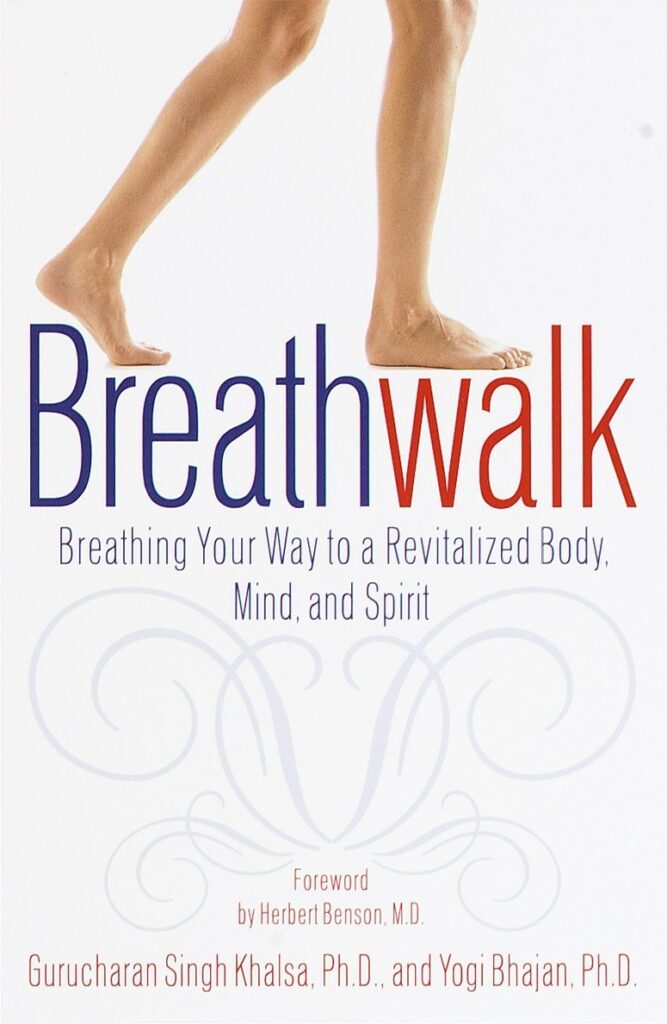
  • d. Deep breathing exercises: Controlled breathing techniques, such as diaphragmatic breathing, have a calming effect on the nervous system, reducing restlessness and enhancing mental clarity.

ADHD-friendly Activities:

  • a. Team sports: Engaging in team sports like soccer, basketball or volleyball can enhance social skills, boost self-esteem and improve focus through structured gameplay.
  • b. Outdoor activities: Exploring nature, hiking, gardening or simply spending time in green environments can reduce  symptoms by providing a peaceful and stimulating setting. Nature Therapy offers extreme benefits for women suffering with ADHD, Bipolar disorder and/or Rejection Sensitive Dysphoria.
  • c. Creative pursuits: Activities like painting, writing, playing a musical instrument or engaging in crafts can serve as outlets for self-expression, improve focus and foster a sense of accomplishment. There are groups everywhere that are craft oriented. Find one that has the same interests as you and join. Or go to the local arts center and see what might interest you there. The point is that there’s a whole world of self expression out here that offer wonderful opportunities.
  • d. Mind-engaging games: Board games, puzzles and strategy-based activities challenge cognitive skills, strengthen problem-solving abilities and enhance sustained attention. And they can be fun. Create a game night with friends or family and have a hygge night that will be healthy and entertaining.

Overcoming Challenges:

While people with ADHD, Biploar Disorder and/or Rejection Sensitive Dysphoria may face certain barriers to exercise, such as difficulty with organization and consistency, personalized strategies can help overcome these challenges. Setting clear goals, creating structured routines, finding an exercise buddy or seeking professional guidance can all contribute to a successful exercise regimen.

Incorporate Exercise Into Your Day

Incorporating exercise into your everyday life can have a transformative impact on mental health, particularly for individuals with ADHD, bipolar disorder and/or rejection sensitive dysphoria. By finding ways to naturally integrate physical activity, managing a busy schedule, and starting with small, achievable steps, you can harness the power of exercise to enhance your well-being. Remember, consistency and self-compassion are key. Embrace the journey of integrating exercise into your life and reap the rewards of improved mental health.

So how can one incorporate exercise naturally into their life?

Incorporating exercise naturally simply means finding ways to infuse physical activity seamlessly into your everyday life. Opt for activities that you genuinely enjoy, as this will increase your motivation and adherence. Consider integrating exercise by:

  • Taking active breaks: Incorporate short bursts of physical activity throughout your day. It could involve stretching, going for a walk or doing some quick exercises. This is where that small treadmill or stationary bike comes into play. It’s right there and easy enough to step onto for ten minutes or peddle a few miles without having to leave the space you are in.
  • Scheduling your exercise sessions: Treat exercise as an essential appointment and block out dedicated times on your calendar. Make it a non-negotiable part of your daily  routine. Every morning, from 7 to 7:20 you walk Rover. Or every afternooon you walk on your treadmill while you watch you favorite soap opera. You get the idea. Don’t try rearranging the natural order of things, go with the flow.
  • Multi-tasking: Combine exercise with other activities. For instance, listen to an audiobook or educational podcast while walking or jogging.

Now I do understand that starting an exercise plan may seem daunting, but taking small, gradual steps can help you establish a sustainable practice. Start by setting  realistic goals. Begin with achievable goals that align with your current fitness level and preferences. Start with a manageable duration and intensity, gradually increasing over time.

Find an accountability partner if you can and together you will both reap the harvest of : Engage a friend, family member, or join a fitness community to help you stay motivated and committed to your exercise routine.

  • Seek professional guidance: Consult with a healthcare professional or a certified fitness trainer who can provide personalized advice and design an exercise plan that suits your specific needs and conditions.

Balancing a busy lifestyle with exercise requires planning and prioritization.

Nourishing the Mind: The Role of Nutrition in Mental Health

Nourishing the Mind: The Role of Nutrition in Mental Health

The connection between nutrition and mental health is a powerful one. Just as our bodies require proper nourishment to function optimally, our minds also benefit from a balanced and nutrient-rich diet. In this article, we will explore the essential role of nutrition in supporting mental health. By understanding the impact of food on the mind, you can make informed choices that promote emotional well-being and overall mental wellness.

The Gut-Brain Connection

Begin by recognizing the intricate relationship between the gut and the brain. The gut microbiome, a vast community of microorganisms in our digestive system, plays a crucial role in producing neurotransmitters and regulating mood. Research suggests, and has for many years now, that imbalances in the gut microbiome can contribute to mental health disorders. Therefore, focusing on gut health through proper nutrition is key to supporting mental well-being.

Understanding the gut-brain connection is especially crucial for women with ADHD, Bipolar Disorder and/or Rejection Sensitive Dysphoria (RSD) as it can have a significant impact on their overall well-being. Emerging research highlights the intricate relationship between the gut and the brain, emphasizing how the health of our gut directly influences our mental and emotional states. Researchers have discovered that people with certain digestive disorders have a higher risk of depression and anxiety. So honing in on your own gut-brain connection coud reap great rewards.

The gut houses trillions of bacteria that make up the gut microbiome, which plays a vital role in regulating mood, cognition and behavior. When the balance of beneficial and harmful bacteria in the gut is disrupted, it can lead to inflammation and impaired neurotransmitter function, contributing to symptoms associated with these conditions.

To support a healthy gut-brain connection, focusing on a nutrient-rich diet that includes plenty of fiber, probiotics and prebiotics is essential. These can be found in foods like fruits, vegetables and fermented foods. Additionally, managing stress levels through techniques such as meditation, deep breathing exercises and regular physical activity can positively influence gut health and overall mental and physical well-being.

It is also important to avoid foods that may trigger symptoms or worsen gut health, such as processed foods (avoid them like the plague), artificial additives (the word artificial should say it all), wheat (for a plethora of reasons that we will reserve for another post) and refined sugars. If you can walk away from these four non food items, you are well on your way to far better mental health. Trust me, your whole body will rejoice.

By prioritizing a healthy gut-brain connection, women can potentially improve their mental health, cognitive function and overall emotional well-being.

Read The Mind-Gut Connection: How the Hidden Conversation Within Our Bodies Impacts Our Mood, Our Choices and Our Overall Health by Emeran Mayer and you will begin to understand exactly what this concept is all about. This is so important to those with emotional dysregulations but just as important to anyone who puts food in their mouths.

Balanced Macronutrients

A balanced intake of macronutrients (components of foods – proteins, fats and carbohydrates – that are required in large amounts, is essential for optimal brain function. Include quality sources of carbohydrates, such as whole grains, fruits and vegetables, which provide energy and support serotonin production, a neurotransmitter that influences mood. Incorporate lean proteins like poultry, fish, legumes and tofu, as they contain amino acids that help produce neurotransmitters. Don’t forget healthy fats like avocados, nuts and olive oil, which support brain health and help reduce inflammation.

Balanced macronutrients are vital for women with ADHD, bipolar disorder, and/or rejection sensitive dysphoria as they can support overall well-being and help manage symptoms. A balanced diet should include a combination of carbohydrates, proteins and fats in the right proportions.

Carbohydrates provide energy for the brain and body, so it’s important to focus on complex carbohydrates like whole grains, fruits and vegetables, which provide sustained energy and essential nutrients. Proteins play a role in neurotransmitter production and can help stabilize mood and enhance cognitive function.

Including lean sources of protein such as poultry, fish, legumes and nuts can provide essential amino acids. Healthy fats, such as those found in avocados, olive oil (Pompeian is my choice – check out the company here), nuts and seeds, are crucial for brain health, hormone production and mood regulation.

Avoiding consumption of processed sugars, refined carbohydrates and unhealthy fats can help maintain stable blood sugar levels and prevent energy crashes. It’s also important to stay hydrated and incorporate a variety of nutrient-dense foods to ensure a well-rounded and nourishing diet.

Consulting with a healthcare professional or nutritionist can provide personalized guidance on macronutrient ratios and dietary strategies tailored to individual needs. By prioritizing balanced macronutrients, women can support their physical and mental well-being, promoting stability and optimal functioning.

Essential Micronutrients

Micronutrients (substances – vitamines and minerals – required in trace amount in the diet) play a vital role in mental health, as they are involved in various biochemical processes in the brain. Ensure you’re getting adequate amounts of vitamins and minerals like B-vitamins (found in leafy greens and lean meats), vitamin D (through sunlight exposure or fortified foods), magnesium (in nuts, seeds and leafy greens) and omega-3 fatty acids (abundant in fatty fish, flaxseeds and walnuts). These nutrients contribute to neurotransmitter synthesis, reduce inflammation and support overall brain function.

Essential micronutrients are crucial for women with ADHD, bipolar disorder, and/or rejection sensitive dysphoria as they play a vital role in supporting optimal brain function and emotional well-being. Some key micronutrients to focus on include omega-3 fatty acids, B-vitamins, vitamin D, magnesium and zinc. Omega-3 fatty acids, found in fatty fish like salmon and mackerel, as well as walnuts and flaxseeds, have been shown to support cognitive function and mood stability.

B-vitamins, such as B12 and folate, are involved in neurotransmitter production and can help regulate mood and energy levels. Good sources of B-vitamins include leafy greens, legumes and fortified cereals. Vitamin D, often obtained through sunlight exposure, is essential for mood regulation and deficiency has been linked to depression and fatigue.

Incorporating foods like fatty fish, fortified dairy products and mushrooms – studies show that Lion’s Mane, Reishi and Chaga mushroom are the three most effective medicinal mushrooms for brain health – can help maintain adequate vitamin D levels. Magnesium, found in foods like dark leafy greens and nuts, plays a role in stress reduction, mood regulation and sleep quality. Finally, zinc, found in oysters, lean meats and legumes, supports cognitive function and immune health.

While focusing on a well-rounded diet rich in these micronutrients is important, it may be beneficial to consult with a healthcare professional or nutritionist to ensure individualized recommendations and address any specific deficiencies or concerns. By prioritizing essential micronutrients, women can provide their bodies and brains with the necessary building blocks for optimal function and emotional well-being.

Antioxidants and Phytochemicals

Antioxidants and phytochemicals found in colorful fruits and vegetables have been shown to have protective effects on the brain. (Avoid the perfectly painted fruits though, that coating is no good for the brain or the body. Go organic when you can and remember your local farmers markets. And eat what’s in season. Humans were not actually meant to eat the same foods year round.

But I digress – we will cover that subject in another post.

For now though, let’s return to the antioxidants and phytochemicals. These compounds help combat oxidative stress and inflammation, which can contribute to mental health disorders. Aim for a diverse range of plant-based foods, including berries, leafy greens, cruciferous vegetables and herbs/spices like turmeric and ginger, to maximize the intake of these beneficial compounds.

Antioxidants and phytochemicals play a crucial role in supporting the health and well-being of women with ADHD, bipolar disorder, and/or rejection sensitive dysphoria by promoting the production of neurotransmitters and reducing cellular damage.

Phytochemicals, on the other hand, are natural compounds that have been found to have numerous health benefits, including anti-inflammatory and neuroprotective properties.

By incorporating a diverse range of fruits and vegetables, such as berries, leafy greens, citrus fruits and cruciferous vegetables, women can benefit from the antioxidant and phytochemical-rich properties of these foods. Additionally, herbs and spices like turmeric, ginger, garlic, saffron and cinnamon are known for their potent antioxidant and anti-inflammatory properties. Including these foods in a balanced diet can provide a wide array of nutrients and bioactive compounds that support mental health, cognitive function and overall well-being.

The Impact of Sugar and Processed Foods

While nutrient-dense foods are beneficial for mental health, it’s important to be mindful of the detrimental effects of sugar and processed foods. Consuming excessive added sugars and highly processed foods can lead to blood sugar imbalances, inflammation and negative effects on mood and cognition. Opt for whole foods and limit your intake of sugary snacks, refined carbohydrates and processed snacks to promote stable mental well-being.

The impact of sugar and processed foods on women with ADHD, bipolar disorder and/or rejection sensitive dysphoria can be significant and may contribute to symptoms and imbalances in mental health. Consuming excessive amounts of sugar and processed foods, which are often high in refined carbohydrates, unhealthy fats and artificial additives, can lead to blood sugar imbalances, inflammation and disrupted neurotransmitter function. These factors can exacerbate mood swings, increase anxiety and contribute to energy crashes and cognitive difficulties.

Additionally, the addictive nature of sugar and processed foods can negatively impact emotional well-being and trigger cravings and emotional eating patterns. As a holistic approach, it is recommended to focus on a whole foods-based diet, emphasizing nutrient-dense, unprocessed foods. This includes incorporating plenty of fruits, vegetables, lean proteins and healthy fats. By reducing or eliminating sugary snacks, processed foods and beverages high in added sugars, women can support stable blood sugar levels, promote balanced brain chemistry and reduce inflammation, leading to improved mental health and overall well-being.

Hydration and Mental Clarity

Hydration plays a vital role in maintaining mental clarity and cognitive function. Dehydration can lead to fatigue, brain fog and impaired concentration. Make sure to drink an adequate amount of water throughout the day. Herbal teas and infused water can also contribute to hydration while providing additional antioxidant benefits.

Adequate hydration is essential for optimal brain function and neurotransmitter production, which can directly influence mood, focus and cognitive abilities. Water is essential for the transportation of nutrients and oxygen to the brain, as well as the removal of waste products. Dehydration, even at mild levels, can lead to symptoms such as fatigue, difficulty concentrating and irritability.

To promote hydration, it is important for women to drink an adequate amount of water throughout the day. The exact amount can vary depending on individual needs, but aiming for around 8 cups (2 liters) of water per day is a good starting point. Additionally, incorporating hydrating foods such as fruits, vegetables and herbal teas can also contribute to overall hydration levels. By prioritizing hydration, women can support optimal brain function, mental clarity and emotional well-being.

Salt is essential for the survival of all living creatures, including human. It is needed to regulate the water content in our body. Celtic Sea Salt® is a brand name for a sea salt company that provides authentic, unprocessed, gourmet, whole salt packed full of naturally occurring, essential minerals with absolutely no additives or anything removed from the salt that would alter it. Celtic Sea Salt® refers to naturally moist salt harvested from the Atlantic seawater off the coast of Brittany, France. This type of salt is harvested using the Celtic method of wooden rakes allowing no metal to ever touch the salt. It is naturally aired and sun-dried in clay ponds and gathered with wooden tools to preserve its living enzymes. Because it is unrefined, it contains all of the 84 beneficial live elements found in sea water, with no chemical and preservatives nor any other additives.

Regular sea salt is usually refined through a chemical process. The salt is rinsed first in a brine solution to wash out calcium and other impurities, and then rinsed again in actual bay water to dissolve the magnesium chloride. What you’re left with is 99.8% pure sodium chloride sea salt. The finished sea salt is transferred to huge outdoor mounds. Over time, a crust forms on the outside of the mounds, protecting the pure sea salt inside. As the salt is needed to meet market demand, a bulldozer pushes it onto conveyor belts that take the salt inside the facility for final processing, kilning and packaging. From there it goes to the stores and to your kitchen.

Because it has been proven that many with ADHD, Bipolar Disorder and/or Rejection Sensitive Dysphoria are deficient in many of the necessary minerals we need daily, using a grain of Celtic Sea Salt® on the tongue before every glass of water (8- 8oz. glasses over 16 hours of wake time over day) will help the water into the cells and actually hydrate the body and get necessary minerals to the brain.

Watch this video with Barbara Oneill for more information on Celtic Salt

You can get Celtic Sea Salt on Amazon. Check the company out here and speak with your doctor on adding Celtic Salt to your diet.

Creating a Sustainable Eating Pattern

It’s important to develop a sustainable and balanced eating pattern that suits your individual needs and preferences. Consider the ‘Eat to live, don’t live to eat approach’.

The premise of “eat to live, don’t live to eat” emphasizes the idea that food should primarily serve the purpose of sustaining our bodies and promoting good health, rather than becoming the central focus of our lives. It encourages a mindset where we view food only as a means to support our well-being and fuel our bodies, rather than using it solely for indulgence or emotional comfort. By adopting this perspective, we can prioritize nourishing ourselves with wholesome, nutritious choices and develop a balanced relationship with food that allows us to lead healthier, more fulfilling lives.

In addition to the principle of “eat to live, don’t live to eat,” two popular approaches that align with this philosophy are intermittent fasting and foraging.

Intermittent fasting involves cycling between periods of eating and fasting. This approach recognizes that our bodies have evolved to function optimally in a state of both feasting and fasting. By implementing scheduled fasting periods, such as daily fasting windows or alternate-day fasting, we can promote metabolic flexibility and improve overall health.

Intermittent fasting shifts the focus from constant food consumption to a more intentional and mindful approach to eating. It encourages us to listen to our body’s natural hunger cues and eat only when we truly need nourishment, rather than mindlessly snacking or eating out of habit or boredom.

The foraging approach embraces the idea of sourcing food directly from nature, mimicking the gathering practices of our ancestors. It involves seeking out and consuming wild or locally grown foods that are abundant and in season. Foraging encourages a deeper connection with our environment and promotes a more sustainable and diverse diet. By incorporating wild plants, herbs, fruits and vegetables into our meals, we can experience the nutritional benefits of natural, unprocessed foods. This approach also emphasizes the importance of mindful consumption, as foraged foods often require knowledge, patience and appreciation for the resources provided by our surroundings.

By combining intermittent fasting and a foraging approach with the underlying principle of “eat to live, don’t live to eat,” individuals can cultivate a healthier and more balanced relationship with food. These approaches encourage a shift away from overindulgence, mindless eating and reliance on processed foods. Instead, they promote a conscious and intentional approach to nourishment, prioritizing whole foods and appreciating the connection between food, nature and overall well-being.

Nutrition plays a significant role in supporting mental health and well-being. By nourishing your body and mind with a balanced and nutrient-rich diet, you can optimize brain function, support neurotransmitter production and reduce inflammation. Remember to prioritize whole, unprocessed foods, incorporate a variety of fruits and vegetables and stay hydrated. Making mindful choices about nutrition can contribute to a positive impact on your mental health and enhance your overall well-being.

Starting a food journal will help the process of nourishing the mind, ensuring you are on the right track to better mental health, not to mention the advantages the whole body will reap. Keeping a food journal can be particularly beneficial for individuals with ADHD, bipolar disorder and/or rejection sensitive dysphoria. The act of recording and tracking their dietary habits provides valuable insights into the connections between food intake and their mental health.

For individuals with ADHD, a food journal can help identify potential triggers for inattentiveness or hyperactivity, such as certain additives or excessive sugar intake. Similarly, for those with bipolar disorder, tracking food consumption can shed light on potential mood triggers or patterns, enabling them to make informed dietary choices. Additionally, individuals with rejection sensitive dysphoria can monitor their food intake to identify if specific foods exacerbate their emotional sensitivity and adjust their diet accordingly. By maintaining a food journal, individuals can empower themselves to make informed decisions about their nutrition, leading to improved overall well-being and mental health management.

self-help-book-830x1024

Keeping a food journal is particularly important for individuals with ADHD, bipolar disorder, and/or rejection sensitive dysphoria due to the potential impact of diet on their overall well-being and symptom management. Firstly, ADHD and bipolar disorder can be influenced by dietary factors such as nutrient imbalances or sensitivities, so a food journal helps identify patterns between specific foods and symptom exacerbation or improvement. Additionally, rejection sensitive dysphoria can be triggered by emotional fluctuations, and maintaining a food journal enables individuals to identify potential triggers or connections between certain foods and their emotional state. By tracking their diet, individuals can gain valuable insights into their unique food-related triggers, make informed decisions about their dietary choices, and work towards developing a personalized meal plan that supports their mental health and stability.

AVAILABLE ON AMAZON

Embracing Rejection: Overcoming Rejection Sensitive Dysphoria

Overcoming Rejection Sensitive Dysphoria Holistically

Rejection Sensitive Dysphoria (RSD) can be an overwhelming emotional challenge, but with the right holistic practices, you can navigate and overcome its impact. By embracing a comprehensive approach that incorporates supplements, whole foods, exercise, journaling and meditation, individuals with RSD can develop emotional resilience and regain a sense of self-worth. In this article, we will explore strategies that can help you embrace rejection, manage sensitivity and foster personal growth.

Understanding Rejection Sensitive Dysphoria

Invest in your own wisdom. Begin first by gaining a deeper understanding of Rejection Sensitive Dysphoria. Recognize that RSD is an emotional response characterized by intense sensitivity to perceived rejection or criticism. Educate yourself about the symptoms, triggers and the impact it has on your emotional well-being. This knowledge will empower you to implement effective holistic strategies.

Rejection sensitive dysphoria refers to an intense emotional response to perceived or actual rejection, criticism or disapproval. It can result in overwhelming feelings of sadness, anxiety and self-doubt. Recognizing the signs and symptoms of RSD, such as heightened sensitivity to social situations, fear of rejection and a tendency to avoid certain activities or interactions, is crucial for managing its impact on mental well-being.

Seeking support from mental health professionals, such as therapists or counselors, who are familiar with RSD can provide valuable guidance and coping strategies. Developing self-awareness, practicing self-compassion and engaging in self-care activities are important steps in managing RSD. Building a support network of understanding friends, family members or support groups can also provide validation and a safe space for discussing and navigating the challenges associated with RSD. Remember, RSD is a real and valid experience, and by understanding it and seeking appropriate support, women can better manage its effects and cultivate a healthier emotional well-being.

Supplements for Emotional Regulation

Explore natural supplements that have shown promise in supporting emotional well-being and managing sensitivity. Speak with a healthcare professional to determine the supplements that may benefit you. Consider options such as magnesium, omega-3 fatty acids, L-theanine and adaptogenic herbs like ashwagandha or rhodiola. Remember to consult with a professional to determine proper dosages and any potential interactions.

Supplements can potentially play a supportive role in emotional regulation for women with rejection sensitive dysphoria, but it’s important to approach them with caution and consult with a healthcare practitioner. While individual needs may vary, certain supplements have shown promise in promoting emotional well-being. Omega-3 fatty acids, particularly EPA and DHA, have been associated with mood support and may help alleviate symptoms of depression and anxiety. Some individuals with RSD may benefit from supplements like magnesium and vitamin D, as deficiencies in these nutrients have been linked to mood disturbances.

Adaptogenic herbs, such as ashwagandha and rhodiola rosea, have been traditionally used to support stress resilience and emotional balance. However, it’s crucial to remember that supplements should not replace prescribed medications or therapy, and their efficacy can vary from person to person. Working with a healthcare practitioner who specializes in holistic approaches can help determine appropriate dosages, evaluate potential interactions and ensure an integrated approach to emotional well-being for women with RSD.

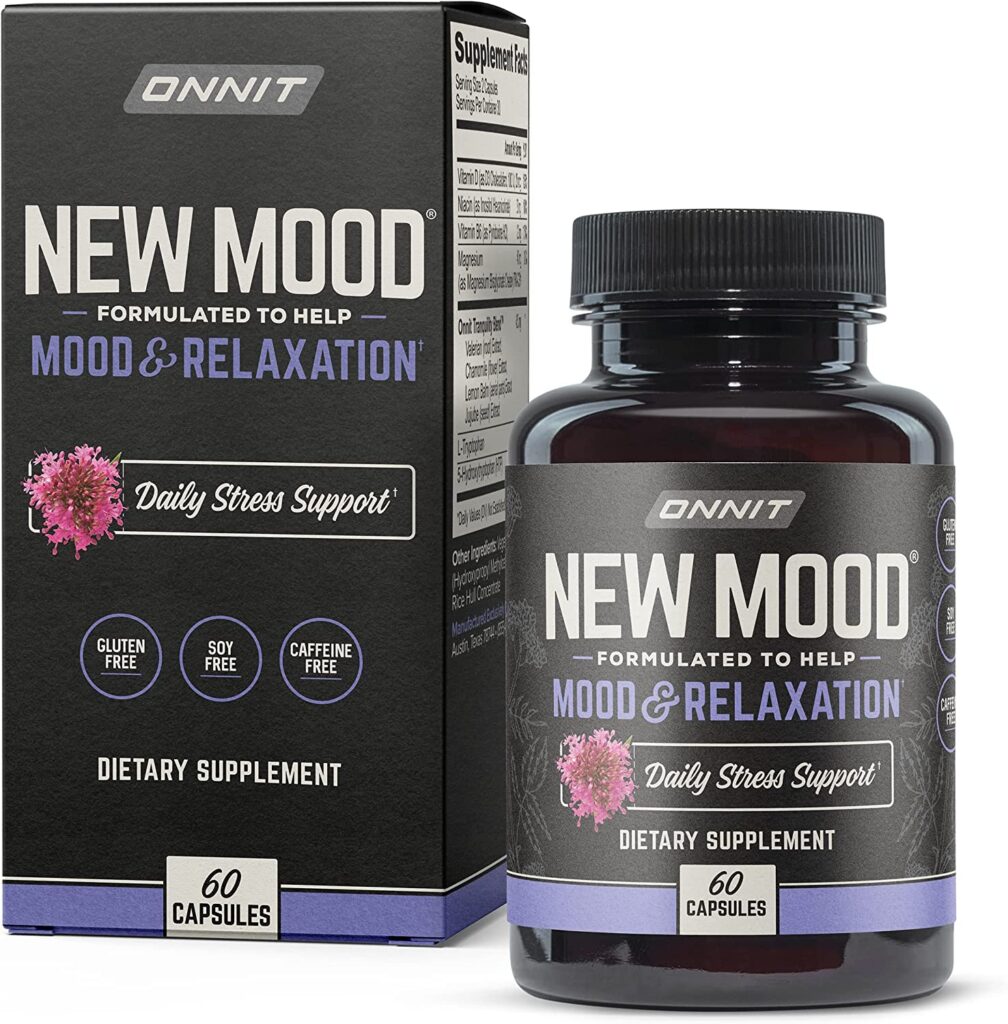
A Few Favorites To Get You Started

Nourishing Whole Foods

Adopt a whole foods-based diet that supports emotional balance and overall well-being. Focus on consuming nutrient-dense foods such as fruits, vegetables, whole grains, lean proteins and healthy fats. Avoid processed foods, refined sugars and artificial additives, as they can exacerbate mood swings and negatively impact emotional stability.

Opting for whole foods such as fruits, vegetables, whole grains, lean proteins and healthy fats provides essential vitamins, minerals, and antioxidants that promote optimal brain function and mood stability. Including foods rich in omega-3 fatty acids, such as fatty fish, walnuts and chia seeds, may also provide mood-boosting benefits.

Incorporating complex carbohydrates like whole grains and legumes can help regulate blood sugar levels and promote steady energy throughout the day. Prioritizing balanced meals with adequate protein can support neurotransmitter production, which is important for emotional regulation.

Additionally, staying hydrated and avoiding artificial additives can help maintain stable energy levels and support overall well-being. Consulting with a registered dietitian or nutritionist can provide personalized guidance and help create a nourishing meal plan tailored to individual needs, promoting emotional balance and overall health for women with RSD.

Engaging in Regular Exercise

Keep that body in motion. Regular physical activity is a powerful tool for managing sensitivity and promoting emotional well-being. Find exercises that you enjoy, whether it’s yoga, walking, dancing or strength training. Engaging in regular exercise releases endorphins, reduces stress and enhances self-confidence, allowing you to better navigate the challenges of rejection sensitivity.

Physical activity can help regulate emotions, reduce stress and improve overall well-being. Regular exercise releases endorphins, which are natural mood-boosting chemicals in the brain, promoting feelings of happiness and relaxation. It can also help alleviate symptoms of anxiety and depression that often accompany RSD. Finding enjoyable forms of exercise, such as walking, dancing, cycling, or yoga, is important to maintain motivation and consistency.

Incorporating exercise into a daily routine and setting realistic goals can provide structure and a sense of accomplishment. Engaging in group activities or exercising with a supportive friend or partner can add social interaction and emotional support. Starting with small, manageable steps and gradually increasing intensity and duration is key. It’s important to listen to the body, rest when needed, and avoid pushing oneself too hard.

Consulting with a healthcare practitioner or seeking guidance from a fitness professional can help develop an exercise plan tailored to individual needs and considerations. By making regular exercise a part of their lifestyle, women with RSD can improve their emotional well-being, boost self-confidence and better manage the challenges associated with rejection sensitivity.

Journaling for Self-Reflection

Learn to learn about you. Incorporate journaling as a tool for self-reflection and emotional processing. Set aside dedicated time to write about your thoughts, emotions and experiences related to rejection. Use journaling to gain insights, identify patterns and reframe negative beliefs. It can also be a safe space to express yourself and release pent-up emotions.

Journaling can be a powerful tool for self-reflection and emotional healing for women with rejection sensitive dysphoria. It provides a safe and private space to express thoughts, feelings, and experiences, allowing for a deeper understanding of oneself. Through journaling, women with RSD can explore their emotions, triggers, and patterns of thought that contribute to their sensitivity to rejection. Writing down these thoughts and experiences can help gain clarity, identify underlying patterns and uncover potential solutions and/or coping strategies.

Journaling also provides an opportunity to challenge negative self-perceptions and replace them with more positive and self-compassionate thoughts. It can be a source of validation, as women can revisit their journal entries to remind themselves of their growth, resilience and progress.

Additionally, journaling can serve as a creative outlet for self-expression and a tool for problem-solving. Whether it’s through free writing, gratitude journalin, or specific prompts, journaling offers a therapeutic practice that can support emotional well-being and empower women with RSD to navigate their experiences with greater self-awareness and resilience.

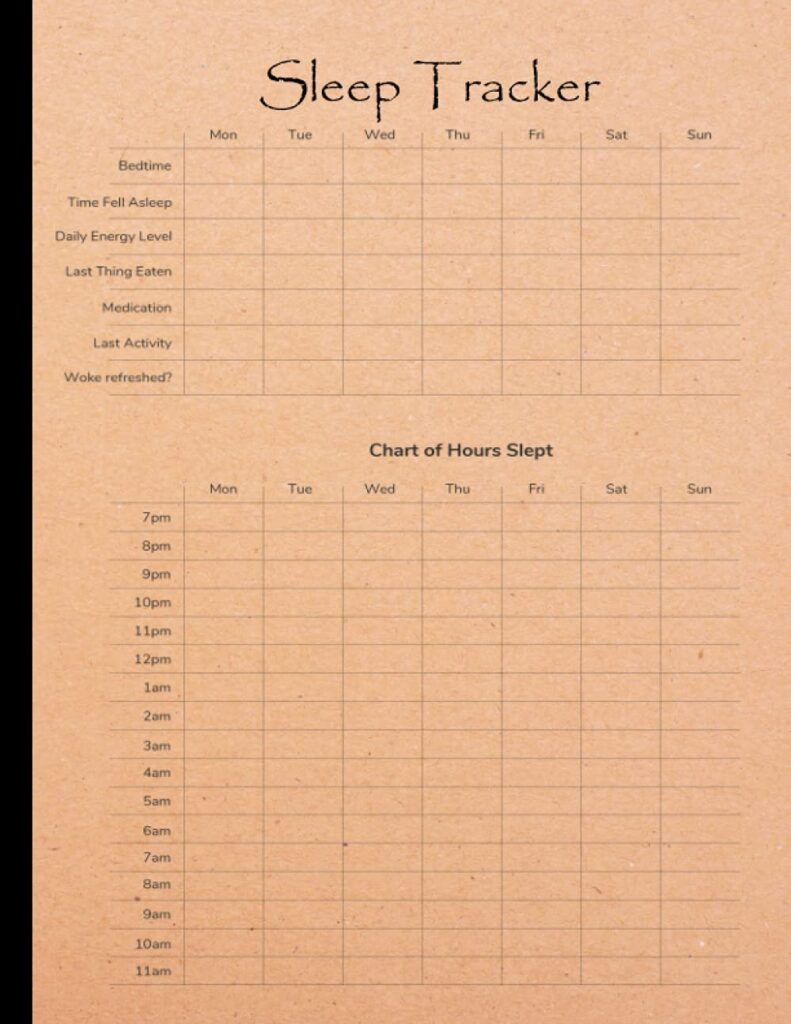
A Few Favorite Journals To Get You Started

The Power of Meditation

Embrace meditation as a means to cultivate mindfulness and emotional resilience. Regular meditation practice can help you observe and accept your emotions without judgment, fostering self-compassion and reducing reactivity to perceived rejection. Explore mindfulness meditation, loving-kindness meditation or guided meditations tailored to self-esteem and emotional healing.

Regular meditation practice can help cultivate a sense of inner calm, emotional resilience and self-acceptance. By training the mind to focus on the present moment and observe thoughts and emotions without judgment, meditation can enhance self-awareness and provide a sense of control over one’s reactions to rejection triggers. Through meditation, women with RSD can develop a deeper understanding of their own thought patterns, gaining clarity on the root causes of their sensitivity and cultivating self-compassion.

Mindfulness meditation, in particular, can help women stay grounded in the present moment, allowing them to respond to rejection triggers with greater equanimity and clarity. Meditation can also promote relaxation, reduce anxiety, and improve overall emotional well-being. Starting with short meditation sessions and gradually increasing the duration can make it more accessible and manageable.

Guided meditations, mindfulness apps or classes can provide additional support for those new to the practice. By incorporating meditation into their daily routine, women with RSD can tap into the transformative power of mindfulness, finding greater peace, acceptance and emotional stability in their lives.

Seeking Support

Don’t hesitate to seek support from mental health professionals who specialize in Rejection Sensitive Dysphoria or related conditions. Therapy can provide valuable insights, coping strategies and support in navigating emotional challenges. Additionally, connecting with support groups or online communities of individuals experiencing RSD can provide a sense of understanding and solidarity.

It’s important for women with RSD to reach out to understanding and empathetic individuals who can provide validation, guidance and a safe space to share their feelings. This support can come from trusted friends, family members or support groups where they can connect with others who have similar experiences. Professional support from therapists, counselors or psychologists who specialize in RSD can offer valuable insight and strategies to manage the challenges associated with rejection sensitivity.

Holistic practitioners, such as naturopaths or life coaches, can provide complementary approaches to support emotional well-being. Seeking support also involves fostering open communication and setting boundaries with others, ensuring that their needs are understood and respected. By building a network of support, women with RSD can find solace, validation, and encouragement, enabling them to navigate their experiences with greater resilience and well-being.

By embracing holistic practices, individuals with Rejection Sensitive Dysphoria can overcome the challenges associated with sensitivity to rejection and foster personal growth. Incorporating supplements, nourishing whole foods, engaging in regular exercise, journaling and meditation can support emotional regulation and resilience.

Remember, healing takes time, so be patient and kind to yourself throughout the journey. With a comprehensive approach and the support of professionals and communities, you can embrace rejection, develop emotional resilience and reclaim your sense of self-worth.

Finding Balance: Holistic Lifestyle Tips for Bipolar Disorder

Finding Balance: Holistic Lifestyle Tips for Bipolar Disorder

Maintaining a balanced and fulfilling life with Bipolar Disorder is achievable with a holistic approach. By incorporating various lifestyle strategies, you can support your well-being, manage mood fluctuations and promote stability. In this article, we will explore practical tips and holistic lifestyle practices that can empower individuals with Bipolar Disorder to find balance and enhance their overall quality of life. Even if the whole world feels titled around you.

Understanding Bipolar Disorder

Begin by gaining a deeper understanding of Bipolar Disorder, its symptoms and how it affects your life. Invest in your own wisdom. Educate yourself about the different phases of the disorder, such as manic and depressive episodes and the potential triggers that can impact your mood stability. This knowledge will serve as a foundation for implementing effective holistic strategies.

Understanding bipolar disorder is crucial for women who are living with this condition. Bipolar disorder is a mental health condition characterized by extreme mood swings, encompassing episodes of mania and depression. During manic episodes, individuals may experience heightened energy, racing thoughts, decreased need for sleep and impulsive behavior.

Depressive episodes, on the other hand, involve feelings of debilitating sadness, low energy, difficulty concentrating and changes in appetite and sleep patterns. It’s important for women with bipolar disorder to recognize the signs and symptoms of both manic and depressive episodes, as well as the triggers that may contribute to these episodes. (This is where journaling and learning to learn about you can help immensely.)

Seeking professional help is essential for accurate diagnosis and the development of a personalized treatment plan, which may include medication, therapy and lifestyle adjustments. Building a strong support network of loved ones and healthcare professionals is also valuable for managing bipolar disorder effectively.

With proper understanding, support and adherence to treatment, women with bipolar disorder can lead fulfilling lives and achieve stability in their mental health. Knowledge is power when it comes to Bipolar Disorder, so understand exactly what you are dealing with in order to thrive in this titled world. (Read The Bipolar Disorder Survival Guide: What You and Your Family Need to Know to get you started.)

Nurturing a Nutrient-Rich Diet

Nutrition plays a crucial role in supporting mental health. Emphasize whole, nutrient-dense foods in your diet, including fruits, vegetables, lean proteins and healthy fats. Incorporate foods that are known to support brain health, such as fatty fish rich in omega-3 fatty acids. Eliminate processed foods, refined sugars and alcohol, as they can exacerbate mood swings and disrupt stability.

Nurturing a nutrient-rich diet is of utmost importance for women with bipolar disorder. Consuming a well-balanced diet can help support mood stability, enhance overall well-being and mitigate potential nutrient deficiencies that may impact mental health. Including a variety of whole foods is key, such as fruits, vegetables, lean proteins and healthy fats. These foods provide essential vitamins, minerals and antioxidants that support brain function and promote a healthy mood. Omega-3 fatty acids found in fatty fish like salmon, walnuts and flaxseeds have shown potential benefits for managing bipolar symptoms.

Read – Just Eat Real Food: 30-Minute Nutrient-Dense Meals for a Healthy, Balanced Life – to understand what nutrient-rich or nutrient – dense dishes might represent. It’s a cookbook but one you might want to read like a novel.

Additionally, incorporating foods rich in B vitamins, such as leafy greens and legumes, we will talk more about these in a later post, can support neurotransmitter production and help regulate mood. Again, avoiding processed foods, refined sugars and excessive caffeine can also contribute to better mental health outcomes.

Consulting with a healthcare practitioner or a registered dietitian who specializes in mental health can provide personalized guidance on nutrition and dietary strategies to support women with bipolar disorder.

Supplements for Mood Support

Consider incorporating specific supplements that have shown promise in supporting mood stability for individuals with Bipolar Disorder. Consult with a healthcare professional to determine the appropriate supplements for your needs. Examples may include omega-3 fatty acids, B-vitamins, magnesium and herbal supplements like St. John’s Wort or Saffron. Remember, supplements should be used as part of a comprehensive treatment plan and under professional guidance. Having a good herbalist at your disposal wouldn’t hurt either.

When considering supplements for mood support in women with bipolar disorder, it is essential to approach the topic with caution and consult with a healthcare practitioner. While supplements can play a complementary role, they should not replace prescribed medications or therapy. However, certain supplements may offer potential benefits. Omega-3 fatty acids, particularly EPA and DHA, have shown promise in supporting mood regulation. Vitamin D supplementation may be beneficial, as low levels have been associated with mood disorders.

Some individuals with bipolar disorder may have deficiencies in certain minerals like magnesium, zinc and selenium, so supplementation under professional guidance may be considered. Herbal supplements like St. John’s wort and Saffron have shown positive effects in some individuals with mild depressive symptoms, but they should be used with caution due to potential interactions and variability in individual response.

It is essential to work closely with a healthcare practitioner who specializes in mental health to assess individual needs, potential interactions and determine appropriate dosages to ensure safe and effective use of supplements as part of a comprehensive treatment approach.

A Few Favorites To Get You Started

Regular Exercise

Engaging in regular physical activity is a vital component of managing Bipolar Disorder. Keep that body in motion. Exercise not only promotes physical health but also enhances mood, reduces stress and supports overall well-being. Find activities that you enjoy, such as walking, jogging, yoga or dancing and aim for at least 20 minutes of moderate-intensity exercise most days of the week. I recommend taking up Tai chi, the practice that involves a series of slow gentle movements and physical postures, a meditative state of mind and controlled breathing.

Regular, daily exercise is highly beneficial for women with bipolar disorder. Engaging in physical activity can help regulate mood, reduce symptoms of depression and anxiety. Exercise stimulates the release of endorphins, which are natural mood-boosting chemicals in the brain. It can also increase levels of neurotransmitters like serotonin and dopamine, which play key roles in mood regulation. Regular exercise can help manage stress, improve sleep patterns, increase self-confidence, and enhance cognitive function.

It’s important to choose activities that are enjoyable and sustainable, such as walking, jogging, dancing, swimming or yoga. Starting with moderate-intensity exercise and gradually increasing duration and intensity is recommended. It’s also essential to listen to the body, avoid overexertion and consult with a healthcare practitioner to develop an exercise plan tailored to individual needs and any potential considerations related to bipolar disorder or medication side effects.

Stress Management Techniques

Stress can exacerbate symptoms of Bipolar Disorder, so it’s crucial to develop effective stress management techniques. Explore various techniques such as deep breathing exercises, progressive muscle relaxation, mindfulness meditation and guided imagery. Experiment with different strategies and find what works best for you to alleviate stress and promote emotional balance.

Adopting effective strategies can help reduce the impact of stress on mood fluctuations and prevent potential episodes. Mindfulness-based practices can promote relaxation, improve self-awareness and enhance stress resilience. Engaging in regular physical activity, such as walking with intent, can help reduce stress levels and release endorphins.

Creating and maintaining a structured daily routine, including consistent sleep patterns, balanced meals and scheduled activities, can provide stability and reduce stressors.

Seeking social support from trusted friends, family, or support groups can help alleviate feelings of isolation and provide a safe space for sharing experiences. Additionally, incorporating stress-reducing activities like listening to calming music, practicing hobbies or engaging in creative outlets can help promote relaxation and emotional well-being.

It’s important for women with bipolar disorder to work closely with a healthcare practitioner or therapist to develop a personalized stress management plan that aligns with their specific needs and integrates with their overall treatment approach.

The Importance of Sleep

Prioritize a consistent sleep routine and aim for quality sleep each night. Bipolar Disorder can disrupt sleep patterns and lack of sleep can trigger mood episodes. Create a relaxing bedtime routine, maintain a comfortable sleep environment and practice good sleep hygiene. If sleep disturbances persist, consult with a healthcare professional for further guidance.

Sleep plays an extremely vital role in the well-being of women with bipolar disorder. Establishing and maintaining healthy sleep patterns is essential for mood regulation, symptom management and overall mental health. Adequate sleep supports the body’s natural circadian rhythms and promotes stability in mood and energy levels.

Women with bipolar disorder often experience disruptions in sleep patterns, including insomnia or hypersomnia during different phases of the disorder. Prioritizing good sleep hygiene practices such as maintaining a regular sleep schedule, creating a relaxing bedtime routine and ensuring a comfortable sleep environment can help improve the quality and quantity of sleep.

Avoiding stimulants like caffeine and electronic devices before bed, as well as practicing relaxation techniques such as meditation or deep breathing, can promote better sleep. If sleep disturbances persist, it is important to consult with a healthcare practitioner to explore potential underlying causes and consider appropriate treatment options, which may include medications, therapy or lifestyle adjustments. By prioritizing and nurturing healthy sleep habits, women with bipolar disorder can support their overall well-being and optimize their mental health.

Building a Support Network

Surround yourself with a supportive network of family, friends and mental health professionals who understand and respect your journey. Engage in therapy or support groups specifically tailored for individuals with Bipolar Disorder. Connecting with others who share similar experiences can provide invaluable support, encouragement and understanding.

Building a strong support network is invaluable for women with bipolar disorder. Surrounding oneself with understanding and compassionate individuals can provide essential emotional support, reduce feelings of isolation, and help manage the challenges of the disorder.

Friends, family members, and loved ones who are educated about bipolar disorder can offer understanding and empathy. Support groups, either in-person or online, provide a space for connecting with others who share similar experiences, exchanging coping strategies, and receiving encouragement. Seeking professional support through therapists, counselors, or psychiatrists is crucial for receiving specialized guidance and treatment.

Additionally, holistic practitioners, such as naturopaths or integrative medicine practitioners, can provide a complementary approach to support mental health. It’s important to communicate openly and honestly with the support network, educating them about the disorder and discussing specific needs and preferences. Remember, building a support network takes time, but it can be a powerful asset in managing bipolar disorder and promoting overall well-being.

Finding Balance: Holistic Lifestyle Tips for Bipolar Disorder

By implementing these holistic lifestyle tips, individuals with Bipolar Disorder can find balance, enhance mood stability and promote overall well-being. Remember, everyone’s journey is unique, so be patient and adaptable in finding the strategies that work best for you. Embrace self-care, nourish your body, mind and spirit with healthy habits and seek professional guidance to ensure a comprehensive approach to managing Bipolar Disorder and living a fulfilling life.

The Body, Mind, Spirit Connection: The Traid

A powerful force

The Body, Mind, Spirit Connection is a powerful force that can profoundly impact the lives of individuals with ADHD, Bipolar Disorder and RSD. By embracing and nurturing this connection, a person can tap into their inner resilience, cultivate self-awareness and discover transformative healing. The holistic integration of the body, mind and spirit opens doors to a life of balance, purpose and fulfillment.

The holistic integration of the body, mind and spirit is an ongoing journey of self-discovery, growth and transformation. By first recognizing and continuously nurturing this profound connection, a person can experience a greater sense of wholeness, purpose and well-being. Embracing the interplay between our physical, mental and spiritual dimensions allows us to lead more fulfilling lives and navigate the challenges and joys of existence with resilience and grace.

But what does it really mean

The Body, Mind, Spirit Connection refers to the profound interrelationship between these three dimensions of human existence. It recognizes that our physical bodies, mental faculties and spiritual essence are interconnected and influence each other in various ways. Here’s a simple breakdown of what each element represents in this connection:

Body: The body represents the physical aspect of our being. It encompasses our physical health, sensations and bodily functions. It includes factors such as diet, exercise, sleep and overall physiological well-being.
Mind: The mind refers to our cognitive and emotional capacities. It encompasses our thoughts, beliefs, perceptions, emotions and psychological well-being. The mind influences our mental health, decision-making and how we interpret and respond to the world around us.
Spirit: The spirit represents the non-physical or transcendent dimension of our existence. It encompasses our inner essence, values, beliefs, purpose and connection to something greater than ourselves. It includes aspects of spirituality, meaning and the search for a deeper understanding of life.
The Body, Mind, Spirit Connection recognizes that these three dimensions are not separate entities but rather interconnected aspects of our overall well-being. When these elements are in harmony and alignment, we experience a greater sense of wholeness, balance and vitality.

This connection emphasizes that nurturing all three aspects is crucial for holistic well-being. By addressing the needs of the body, such as physical health and self-care, nurturing the mind through mental and emotional well-being practices and cultivating the spirit through spiritual exploration and connecting to a higher purpose, we can achieve a more integrated and fulfilling life experience.

Ultimately, the Body, Mind, Spirit Connection encourages individuals to recognize the inherent unity of these dimensions and seek a holistic approach to health and well-being that encompasses all aspects of their being.

The influence of your own mind

The influence of the mind on mental wellness is profound and plays a central role in shaping our overall well-being. The mind encompasses our thoughts, beliefs, perceptions, emotions and cognitive processes. Understanding the impact of the mind on mental wellness is essential for cultivating a positive and balanced state of being. Here are key aspects to consider:

Thoughts and Beliefs: Our thoughts and beliefs significantly influence our mental well-being. Negative thought patterns, self-limiting beliefs and distorted thinking can contribute to anxiety, stress and low mood. Cultivating a positive and optimistic mindset through practices such as cognitive restructuring, affirmations and gratitude can improve mental wellness.

Emotional Regulation: The mind is intricately connected to our emotions. Our ability to recognize, understand and regulate emotions greatly impacts our mental well-being. Developing emotional intelligence and adopting strategies like mindfulness, deep breathing and journaling can help manage and express emotions in a healthy and balanced way.

Perception and Interpretation: The mind filters and interprets our experiences, shaping our reality. Our perception of events, situations and interactions can significantly impact our mental well-being. Cultivating a mindful and non-judgmental approach to our perceptions can help reduce stress, improve relationships and foster a more positive outlook on life.

Cognitive Patterns: Our cognitive patterns, such as attention, memory and problem-solving abilities, influence our mental wellness. Cognitive distortions, such as black-and-white thinking or catastrophizing, can negatively impact our mood and well-being. Enhancing cognitive skills through activities like puzzles, reading and learning new skills can support mental wellness by promoting cognitive flexibility and resilience.

Mind-Body Connection: The mind has a profound influence on the body and vice versa. The mind-body connection highlights the bidirectional relationship between mental and physical health. Negative emotions and stress can manifest as physical symptoms, while physical health issues can affect mental well-being. Nurturing the mind-body connection through practices like relaxation techniques, exercise and self-care promotes holistic mental wellness.

Self-Talk and Self-Compassion: The way we talk to ourselves has a significant impact on our mental wellness. Negative self-talk, self-criticism and harsh judgments can erode self-esteem and contribute to mental health challenges. Cultivating self-compassion and practicing positive self-talk can foster self-acceptance, resilience and improved mental well-being.

Mindfulness and Present Moment Awareness: The practice of mindfulness involves bringing one’s attention to the present moment without judgment. Mindfulness cultivates a state of heightened awareness and acceptance of the present experience, reducing stress, enhancing focus and promoting mental well-being. Regular mindfulness practice can help break free from rumination, worry and anxiety.

Understanding the influence of the mind on mental wellness empowers individuals to actively participate in their mental well-being. By cultivating positive thought patterns, regulating emotions and fostering a balanced perspective, individuals can enhance their mental wellness. Developing self-awareness, practicing mindfulness and engaging in activities that promote cognitive and emotional health contribute to a healthier mind and a more fulfilling life.

A Few Favorites To Get You Started

Nurture your spirit

Nurturing the spirit is a fundamental aspect of holistic mental wellness. While mental well-being often focuses on the mind and emotions, addressing the spiritual dimension of our lives is equally important. Here’s an exploration of the premise and why nurturing the spirit is essential for overall mental wellness:

  • Finding Meaning and Purpose: Nurturing the spirit involves seeking and finding meaning and purpose in life. Having a sense of purpose provides a guiding framework that can enhance mental well-being by giving individuals a reason to strive, overcome challenges and find fulfillment. Connecting with our deepest values and beliefs helps shape our identity and provides a sense of direction, contributing to a greater sense of mental wellness.
  • Inner Peace and Emotional Resilience: Spirituality can provide a source of inner peace and emotional resilience. Engaging in practices such as meditation, prayer or mindfulness allows individuals to connect with their inner selves and develop a greater sense of calm and tranquility. This can help manage stress, reduce anxiety and enhance emotional well-being.
  • Connection and Support: Nurturing the spirit often involves connecting with others, whether through religious or spiritual communities, shared beliefs or engaging in acts of compassion and service. These connections provide social support, a sense of belonging and opportunities for growth, all of which are vital for mental wellness. Building a supportive network and engaging in meaningful relationships contribute to emotional well-being and a sense of connectedness.
  • Self-Reflection and Self-Discovery: Spirituality encourages self-reflection and self-discovery. Taking the time to explore our inner selves, values and beliefs can lead to greater self-awareness and personal growth. It allows individuals to understand their strengths, weaknesses and areas of growth, leading to increased self-acceptance and improved mental well-being.
  • Coping with Challenges: Spiritual beliefs and practices can provide individuals with a framework for coping with life’s challenges. During difficult times, spirituality can offer solace, hope and resilience. It provides individuals with a broader perspective, a sense of surrender and tools for finding meaning even in the face of adversity, contributing to better mental and emotional coping strategies.
  • Transcending the Ego: Nurturing the spirit involves going beyond the ego-centered perspective and connecting with something greater than ourselves. It encourages a shift from self-centeredness to a broader perspective that encompasses the well-being of others and the world. This shift can foster compassion, empathy and a sense of interconnectedness, all of which contribute to mental wellness.
  • Nurturing the spirit for holistic mental wellness recognizes that mental well-being is not solely dependent on cognitive and emotional factors. It encompasses finding meaning, connecting with others, exploring one’s values and beliefs and cultivating practices that promote inner peace, resilience and personal growth. By tending to our spiritual dimension, we can enhance our mental well-being, find greater purpose and fulfillment and lead more balanced and meaningful lives.

A Few Favorites To Get You Started
Nature Therapy: A World Of Healing To Discover

20 minutes a day can improve ADHD symptoms

The benefits of nature therapy for ADHD are well known. Utilizing this therapy should definately be part of a holistic wellness plan for those living with attention deficit.

Attention Deficit Hyperactivity Disorder, ADHD, is a neurodevelopmental disorder that is characterized by difficulties with focus, impulsiveness and hyperactivity. To date, there is no cure. Likewise, there is no one-size-fits-all approach to treating ADHD either. However, nature therapy is a promising new treatment that just might fit into nearly everyone’s ADHD wellness plan. It’s low cost and everyone can make the time to step outdoors and take in 20 minutes of the day.

Nature therapy, also known as ecotherapy, is a type of therapy that involves spending time in natural environments, such as forests, parks or gardens. Your own back yard or apartment balcony can work wonders too.

Spending time in nature has many well-documented benefits for mental health, including reducing stress, improving mood and increasing self-esteem. For people with ADHD, nature therapy can help to improve focus, concentration and impulsivity.

Research has shown that spending just 20 minutes in nature can improve symptoms of ADHD, and incorporating nature therapy into a comprehensive treatment plan can have long-lasting positive effects.

Nature therapy can take many forms, including hiking, gardening, camping or simply sitting in a peaceful outdoor space. It provides a sensory-rich environment that can help soothe the hyperactive and overstimulated brain of someone with ADHD. Being in nature can also help regulate the circadian rhythm, which can improve sleep and promote overall well-being.

Ecotherapy can be used in conjunction with an array of ADHD treatments, such as medication and other holistic therapies, such as yoga and meditation, to provide a holistic approach to managing the condition. It is also a low-risk and cost-effective option, making it accessible to a wide range of people.

Understand first

ADHD is a complex condition that can manifest differently in different people. In general however, people with ADHD have difficulty focusing, can be easily distracted and get quickly pulled off course. They often have difficulty controlling their impulsivity. While some experience hyperactivity, others do not. So don’t let the ‘H’ confuse you.

ADHD can, and often does, impact a person’s ability to live their best life and perform everyday tasks. It is important to note that ADHD is not caused by a lack of motivation or effort, but rather by a discrepancy between a person’s level of interest and how well they can focus on a task. This discrepancy can cause significant disruption in daily life, making it difficult for a person to focus on what’s important to them.

It is possible however to successfully manage ADHD symptoms with a combination of medication, lifestyle changes, mental health treatments and behavior therapy.

Connect to the earth you live on

Nature therapy is becoming increasingly popular as one of those way to help manage the symptoms of ADHD and has been shown to have beneficial effects on ADHD symptoms. This form of therapy is based on the idea that nature, the natural world, can help people with ADHD feel calmer, more focused and more able to regulate their emotions.

Research has shown that spending time outdoors reduces stress, increases feelings of well-being and strengthens concentration. Additionally, nature offers an array of sensory stimuli such as sunlight, wind, and the smells of trees, grass, and flowers. This can be beneficial for people with ADHD, as sensory input can help them to focus and better regulate their behavior.

There is also evidence that being in nature can help people with ADHD to feel more connected to the world around them. Nature offers a sense of peace and tranquility and can help people with ADHD to feel grounded and in control. This can be particularly helpful for those with ADHD, because they often feel overwhelmed by their symptoms and disconnected from the world.

Finally, nature offers the opportunity for physical activity, which can help to reduce stress, release endorphins, and improve concentration. Exercise can also improve cognitive function and help people with ADHD to better regulate their emotions and behavior. And just being outdoors is a form of exercize that can do nothing but help.

Release those endorphins

Spending time in nature can help reduce stress and increase feelings of well-being, while sensory stimuli such as sunlight, wind, and smells can help people with ADHD to focus and better regulate their behavior. Additionally, physical activity in nature can help people with ADHD to release endorphins.

Endorphins are chemicals (hormones) your body releases during pleasurable activities such as exercise, massage, eating and sex too. Endorphins help relieve pain, reduce stress and improve your sense of well-being.

When you walk, run, jump rope, play hopscotch or do 10 squats, your brain is making a few moves of it’s own. It’s busy releasing several very important chemicals.

Endorphins, the hormone-like compounds that regulate mood, pleasure and pain are released. That same burst of activity also elevates the brain’s dopamine, norepinephrine, and serotonin levels. These brain chemicals affect focus and attention, which are in short supply in those with ADHD.

– Regularly taking part in nature activities such as walking, hiking and camping can be a great way to help alleviate the symptoms of ADHD. Taking part in activities outdoors allows one to take advantage of the natural environment and its calming effects, while at the same time getting physical activity which can reduce stress.

– Nature also provides a safe and secure place away from distractions that can help people with ADHD to better concentrate on their tasks. When in nature, it can be easier to focus on your thoughts and feel closer to the natural world.

– Immersing yourself in nature is a great way to break away from one’s routine, which can help to reduce stress and anxieties. Taking part in nature therapy can help to reduce symptoms of ADHD, as it is often easier to focus when in a calm and peaceful environment.

– Nature can also provide a sense of connection and a feeling of being grounded. Being surrounded by nature can help people with ADHD to feel less overwhelmed by their symptoms, as well as to feel more connected to the world around them.

A Few Favorites To Get You Started

Get the facts

If you are interested in nature therapy for your ADHD, here are 5 tips to get started:

1. Start small: start by taking a few minutes each day to go outside and enjoy the natural environment, whether it is a walk around the neighborhood, a trip to the park or a hike in a nearby wilderness area.

2. Get creative: try to find creative ways to combine nature therapy with other activities. For example, if you enjoy reading, try finding a quiet spot in nature to read or do some journaling.

3. Make it social: nature therapy can also be a great way to connect with friends and family. Going on nature walks or hikes with your loved ones can be a great way to have meaningful conversations and bond.

4. Get physical: take advantage of the physical benefits of nature by engaging in some physical activity outdoors, such as running, swimming or biking.

5. Unplug: nature can be a great way to unplug and relax from the stressors of everyday life. Disconnect from technology and spend some time alone in nature to reconnect with yourself and the natural world.

Nature can be a powerful tool

Studies have shown that spending time in nature can improve attention and reduce symptoms of ADHD, including hyperactivity and impulsivity. This may be due to the calming and relaxing effect that nature has on the body and mind. In addition, nature provides a natural stimulus that can capture and hold the attention of those with ADHD, allowing them to focus on their surroundings rather than their racing thoughts and distractions.

Nature also offers a peaceful and quiet environment that can be beneficial for those with ADHD who are easily overstimulated by noise and activity. In nature, there are fewer distractions and disruptions, allowing people with ADHD to recharge and reset their brains.

Overall, nature can be a powerful tool for managing ADHD symptoms and improving overall well-being. Whether it’s spending time in a park, hiking in the woods, or simply spending time in your backyard, the benefits of being surrounded by nature are numerous and can improve the lives of those with ADHD.

The latest studies

Research has shown that spending time in natural environments, such as parks and forests, can lead to a decrease in symptoms of ADHD, including improved attention, impulse control, and self-discipline.

This can be attributed to the fact that nature provides a stimulating environment that allows for passive attention, which is the ability to focus on something without consciously trying to do so. The sights, sounds, smells, and textures of nature can capture our attention without us having to make an effort, leading to a natural state of calm and relaxation.

Furthermore, being in nature reduces sensory overload and overstimulation, which can be overwhelming for people with ADHD. The natural environment provides a gentle sensory experience that can help regulate emotions, calm the nervous system, and increase feelings of well-being.

Overall, spending time in nature can be a powerful tool for managing symptoms of ADHD and improving concentration and focus. Whether it’s a walk in the park, a hike in the forest, or simply sitting outside and enjoying the scenery, adding a dose of nature to your routine can provide numerous benefits for mental health and well-being.

Research has shown that spending time in nature can have numerous benefits for our mental and physical health. It can lower stress levels, reduce symptoms of depression and anxiety and improve overall well-being.

When we unplug from technology and immerse ourselves in nature, we allow our mind and body to slow down and reset. We can focus on our breathing, observe the sights and sounds around us and become more mindful of the present moment. This can help us feel more grounded and centered.

Taking a nature walk, going for a hike or simply sitting outside can be great ways to unplug and connect with nature. While it may be difficult to put down our phones and disconnect at first, the benefits of unplugging and spending time in nature can be truly transformative.

So what should you do right now

Research has shown that spending time in nature can reduce stress, improve mood, boost creativity and productivity and even enhance our immune system. It can also have a positive impact on mental health conditions such as depression and anxiety.

One way to incorporate nature into our daily routine is to create a green space in our home or office. This can be as simple as adding some potted plants or hanging a few succulents near a window. Not only do plants help purify the air and add some natural beauty to our surroundings, but they can also boost our mood and productivity.

Another way to connect with nature is to find outdoor activities that you enjoy. This could be anything from hiking or camping to gardening or birdwatching. Spending time in nature can help us escape from the stress of daily life and allow us to be in the present moment.

Finally, making a conscious effort to disconnect from technology and spend time away from screens can help us connect with nature and improve our overall well-being. Instead of scrolling through social media during our free time, we can take a walk in the park, go for a bike ride or simply sit and enjoy the natural world around us.

Incorporating nature into our daily routine doesn’t have to be complicated or time-consuming. By making small changes and becoming more mindful of our surroundings, we can improve our health, happiness and connection to the world around us.

A Few Favorites To Get You Started

As for those who struggle with ADHD, or any Mood Dysregulation Disorder for tha matter, nature has a powerful remedy to offer. Stepping into the great outdoors can provide a myriad of benefits those navigating a holistic wellness program and are fostering improved focus, reduced stress and enhanced overall well-being.

Spending time in nature provides a unique and stimulating environment that can help improve concentration and focus. Unlike indoor settings, the outdoors is rich in diverse sensory experiences, such as the sound of birds chirping, the scent of flowers and the feel of the breeze on your skin. This multisensory stimulation helps redirect attention and reduces distractions, allowing individuals with ADHD to better engage in activities and stay focused on the present moment.

Outdoor activities naturally encourage movement, making it an ideal environment for individuals with ADHD who often struggle with excess energy and restlessness. Engaging in outdoor pursuits like walking, hiking, biking or playing sports not only provides an outlet for their energy but also promotes the release of endorphins, which can improve mood, reduce anxiety and enhance overall well-being. Regular physical activity in natural settings has been linked to improved cognitive function and increased attention span for individuals with ADHD for years now.

Exposure to natural environments, such as parks, forests or gardens, has been shown to have a calming effect on the mind and body. The soothing sights, sounds and smells of nature help reduce stress levels and promote relaxation. For individuals with ADHD, who often experience heightened levels of stress and anxiety, spending time outdoors can serve as a natural stress management tool, helping to regulate emotions and promote a sense of inner calm.

Executive functioning refers to a set of cognitive processes responsible for organizing, planning, and problem-solving. These functions can be impaired in individuals with ADHD. However, spending time in nature has been shown to enhance executive functioning abilities. Natural settings offer opportunities for creative problem-solving, decision-making and practicing self-control. Engaging with the outdoors can enhance cognitive flexibility, impulse control and working memory, allowing individuals with ADHD to develop and refine these crucial skills.

Nature has a remarkable effect on our emotional well-being. Research suggests that spending time outdoors can lead to a significant reduction in symptoms of depression and anxiety. The tranquil and serene environment of the outdoors helps promote positive emotions, increase self-esteem and foster a sense of connection with the natural world. For individuals with ADHD, who may also experience co-occurring mental health challenges, the therapeutic benefits of nature can be particularly valuable.

The great outdoors offers a wealth of advantages for individuals with ADHD. From improved focus and reduced stress to enhanced executive functioning and better overall well-being, nature serves as a powerful ally in managing the symptoms and challenges associated with ADHD.

By embracing the natural environment and engaging in outdoor activities, individuals with ADHD can harness the transformative benefits of nature, leading to a more balanced and fulfilling life. So, step outside, breathe in the fresh air and embark on a journey of nature-infused healing and growth.

Learn To Learn About You: 5 Tips To Get You Started

Know Yourself Well – It Is The Beginning of Your Wisdom

Sometimes all it takes just a few, small changes to set the wheels of whole self wellness and improved personal health into motion. (And by the way, that’s the order in which this truly happens. Not the other way around. Improved personal heath develops as whole self wellness evolves.)

Although being diagnosed with ADHD, Bipolar Disorder or Rejection Sensitive Dysphoria (RSD) can be overwhelming, it doesn’t change that fact. These conditions can, and probably will, impact various aspects of your life. However, it is crucial to remember that a diagnosis does not define you. Instead, it marks the beginning of a transformative journey of self-discovery and new growth. And, as I said, sometimes that growth begins by first learning to learn about you.

Learning how to learn about yourself then becomes an essential step in managing your condition and nurturing your personal well-being. In this blog, we will explore the need, nay, the necessity, of this self-learning process. Here are 5 tips to get you started.

Embracing Self-Awareness

Understanding oneself is an ongoing process that evolves over time. When living with ADHD, Bipolar Disorder or RSD, self-awareness becomes even more vital. By actively exploring and learning about your strengths, weaknesses, triggers and unique characteristics, you empower yourself to take charge of your condition. And that’s exactly what you want to do. Self-awareness allows you to recognize patterns, identify effective coping strategies and make informed decisions regarding your mental health.

Managing Symptoms and Enhancing Coping Mechanisms

Learning about yourself helps uncover specific symptoms associated with ADHD, Bipolar Disorder and/or RSD. By recognizing these symptoms, you can adopt targeted strategies to manage them effectively. For instance, if you have ADHD, understanding your attention span patterns can help you develop concentration techniques and establish a structured routine. Similarly, with Bipolar Disorder, recognizing the signs of mood shifts enables you to implement self-care practices, seek timely support and avoid potential triggers. RSD can be better managed by understanding and addressing sensitivity to rejection through self-validation techniques and seeking supportive environments.

Overcoming Stigma and Building Resilience

Stigma surrounding mental health conditions can be a significant obstacle in one’s journey towards self-acceptance and growth. By learning about yourself, you develop a deeper understanding of your condition and gain the knowledge to challenge misconceptions. This knowledge empowers you to educate others, reduce stigma and foster a supportive network.

Furthermore, the process of self-learning allows you to cultivate resilience by acknowledging your strengths and focusing on personal growth rather than dwelling on societal judgments.

Fostering Self-Compassion and Nurturing Well-Being

Learning to learn about you allows you to cultivate self-compassion, an essential component of emotional well-being. By recognizing that your condition does not define your worth, you can embrace self-acceptance and practice self-care. Through self-learning, you gain insight into your unique needs and develop strategies to prioritize your mental health.

This might involve engaging in activities that bring you joy, seeking professional support or fostering meaningful connections with others who share similar experiences.

Navigate the Complexities

Remember that a diagnosis of ADHD, Bipolar Disorder or Rejection Sensitive Dysphoria may present challenges, but it also opens doors to personal growth and self-discovery. Learning about yourself in the context of these conditions equips you with the knowledge and tools necessary to navigate the complexities of daily life.

By embracing self-awareness, managing symptoms, overcoming stigma, creating tailored strategies and fostering self-compassion, you can build a fulfilling and meaningful life. Always remember, you are more than your diagnosis and your journey towards self-understanding is a testament to your resilience and strength.

Embracing Your Unique Cognitive Style

ADHD is often associated with a different cognitive style that emphasizes divergent thinking, creativity and the ability to make unique connections. By understanding and appreciating this cognitive style, individuals with ADHD can tap into their inherent strengths. Learning about your thought processes and problem-solving approaches helps you identify strategies that work best for you. Embrace your unique perspective, leverage it in various areas of life and foster a sense of pride in your abilities.

Exploring Your Interests and Passions

Self-discovery involves exploring your interests and passions. Individuals with ADHD often have a wide range of interests and an intense curiosity about the world. Use this opportunity to explore different subjects, hobbies and activities that capture your attention. Follow your passions and pursue activities that align with your strengths and values. By engaging in activities that genuinely interest you, you can boost motivation and improve focus.

Developing Self-Advocacy

Self-awareness is crucial for individuals with ADHD. Pay attention to your own patterns, triggers and limitations. Reflect on how your environment, routines and habits impact your ability to function optimally. Through self-awareness, you can proactively advocate for yourself by communicating your needs to others, seeking appropriate accommodations and creating supportive structures in your daily life. Understanding your strengths and limitations empowers you to take charge of your ADHD and work towards success.

Learn To Learn About You

Learning to learn about yourself is a transformative process for individuals with ADHD. Embrace your unique cognitive style, recognize and manage symptoms, explore your interests, develop self-awareness, and seek support from others. By understanding your strengths, limitations and personal preferences, you can harness the power of ADHD to your advantage. Embrace your journey of self-discovery and let it become a catalyst for personal growth, self-acceptance and a fulfilling life.

Disclaimer: The information or products mentioned in this article are provided as information resources only and are not to be used or relied on to diagnose, treat, cure or prevent any disease. The statements made in this article have not been evaluated by the Food and Drug Administration. Any products mentioned are not intended to diagnose, treat, cure, or prevent any disease. The information in this article is intended for educational purposes only. The information is not intended to replace medical advice offered by licensed medical physicians. Please consult your doctor or health practitioner for any medical advice.

Meditation in Motion – Walking With Intent

Meditation in Motion – Walking With Intent

Walk therapy creates wonderful changes in the human body. The intentional, mindful attention given to this physical activity results in empowering not only the body, but, more times than not, the mind and spirit too.

Science has long ago proven that ‘exercise’, in many fashions, can greatly enhance the bodies capabilities in the fight against depression, obesity, heart disease, anxiety, chronic pain, insomnia, diabetes and high blood pressure, to mention just a few. It has also proven that the release of endorphins in the body, which is gained with exercise, walk therapy included, positively affects a person’s overall sense of well-being. (And that is a great place to start. Give the spirit peace and the body and mind will happily follow!) Walking for just an hour a day, every day, with intent and mindfulness, will be a small, and quite simple, change that has no choice but result in a healthier body, mind and spirit.

Meditation in Motion

Meditation, in any fashion, as many know, is a solid holistic approach to self-wellness and a conscious effort toward a peace filled life. Daily meditation can, without doubt, improve your quality of life, enhance your concentration, reduce stress and provide the cavernous connection to the spirit.

Contraire to popular belief however, meditation does not necessarily require sitting passively alone with your legs crossed and your eyes closed, although that type of meditation does indeed have it’s place in healthy living. Walking with intent and healthy purpose, on the other hand, is an ‘active’ and refreshing type of meditation that requires you to be ‘consciously’ aware of your very real surroundings and your place in this world.

Creating this small change in your life and interjecting this new type of habit into your daily routine can reap your whole self a plethora of wonderful, positive results. And it’s so easy to do. Walk therapy is probably one of the most ‘natural’ ways to refresh the mind, ease the spirit and strengthen the body.

Connect With The Physical World Around You

In Walk Therapy, the activity of walking with mindful intent and healthy purpose engages one in the very real act of physical, mental and spiritual motion. In intent and purposeful walking, all of your thoughts and emotions become engaged in that ‘motion’ experience.

Unlike walking to get through the grocery store or around work or making your way to the hairdressers down a crowded sidewalk, where absolutely no thought is given the walking experience, walk therapy hones the senses in on that very experience in it’s entirety. The whole self immediately begins to drink in the ‘small’, but very real realities around them. Like a surface beneath your feet, the air that fills your lungs more completely, the sounds of an entire universe, that we take for granted daily simply by not ‘taking the time’ to stand still and listen to it. Colors will lose their blur and become sharp again, thoughts will become clearer and the spirit will lighten immediately by visiting the world it truly belongs in. Peace will surround you as you initiate intentional walk therapy into your daily routine and in fact will compel you to ‘look forward’ to this daily self care activity with anxious anticipation of that ‘self freedom’ again. In other words, you will become a part of the reality that most of us robot through in a blind, almost disconnect fashion that produces anything but peace and good health.

Just Breath

Walk Therapy is a natural means of physical exercise. But, just as importantly, walking with intent and healthful purpose, which means removing all other purposes, save but for the experience of the walk therapy itself, is quite powerful for the mental and the spiritual self as well.

Walk to walk. Don’t consider your ‘walk therapy’ as part of multi tasking; like for part of a weight loss program, fetching the mail at the end of the lane or while you do the grocery shopping. That’s not what we are talking about here. Walking for the walk alone is what we are stressing and what will release your body, mind and spirit.

Now, don’t get me wrong, this doesn’t mean that those financial woes will suddenly disappear. It won’t erase the fact that your kid is not passing the third grade and it won’t diminish the stress of putting a family member into a nursing facility. But it can mean that you might think a bit more clearly on such concerns after this activity becomes a part of your daily routine. By allowing yourself to put things of this nature, any real woe that might consume you or keep you in a state of despair or anxiousness, (metaphorically) on the back burner for one hour everyday, could allow you to clear your mind of the clutter that, quite honestly, may be fogging up your logic on such matters. Just enjoy the walk (and the space between you and what may bog you down in your day to day life) and just breath. Remember that your good health depends entirely on you and walk therapy is one small change that is as enjoyable as it is easy.

Rediscovering Your Whole Self

Whether you exercise at a gym on a weekly basis or have a daily exercise routine at home, nothing allows you to rediscover your whole self quite like walk therapy. Walking with intent and healthful purpose for just one hour every day gives you the one-on-one attention to ‘different’ details about oneself that might not be recognized from a work out plan.

Work out’s can get consumed by number of reps, speed, endurance and competition. Walk therapy, on the other hand, is none of these. Meditation with motion is slower, no real goal, never a competition and no hurry to get anywhere in particular. But the whole self will definitely respond in only positive ways. Walking peacefully releases endorphins and positively affects a person’s overall sense of well-being. This in turn causes a positive shift in mood. And mood, as we all know too well, determines so much about how a person faces, and handles, day to day living.

A daily walk will increase heart rate and blood circulation throughout the whole body, and feeds oxygen and nutrients to all the vital organs. It’s one of the easiest ways to strengthen the heart muscle. Walking also helps with digestion and decreases blood sugar. And bathroom habits are improved almost at once. A wise doctor once said, “if the plumbing is always in proper working order, the rest of the structure will work properly too.” And walking is probably one of the simplest ways to guard dog the plumbing. Muscles stretch, lungs expand and the skin drinks in important vitamins. Increasing perspiration, even slightly, allows the body to detoxify and rid itself of excess water.

Be a Walk Meditator

Once involved and committed to walk therapy, many describe how the senses are heightened when you walk with a peaceful, open and happy spirit. The colors are more vibrant. Sounds are more distinct and purposeful, the smells become independent and obvious and textures become more precise.

One man, who has been a ‘walk meditator’ (his own words – but they actually fit) said that when he takes his afternoon stroll, he does so with the sole purpose of ‘feeling’ his body, ‘listening’ to his own mind and allowing his spirit to soar where ever it wishes to go. He goes on to say that ‘feeling’ his body means simply being mindful to how his body maneuvers. Does he walk with confidence in his movements, speed and balance? He said once you start walking daily, you will learn so much about your body it will surprise you.

For example, Bob (74 at the time) appeared to be in remarkable shape, but he said when he started walking daily he realized, contraire to what his doctor said, that he ‘felt’ he was carrying too much weight. He couldn’t exactly say why he felt that way, but he said he could just ‘feel’ it. So he dropped just seven pounds and that ‘ too heavy’ feeling went away. His body told him what weight it should be carrying and he listened. He said he felt so much better, even though you couldn’t tell Bob had lost an ounce.

As for listening to his own mind, Bob simply said they are the minutes ever day where he talks openly with God. (He chuckled softly here, as if someone had whispered something funny in his ear.) And he adds, it’s sometimes where they argue too. But, he added softly, God always wins, but I always feel better anyway.

As for allowing his spirit to soar, he said I would only understand that when I stand quietly and let the world move around me rather than the other way around. He added that sometimes if you allow yourself to feel small, your spirit will fill to the brim and an overwhelming peace will engulf you and the things that are actually important in this life will reveal themselves.

Then he chuckled again and added that he was once late for supper because his spirit was having too much fun to head home. His wife, he said, had scolded them both.

Then he winked at me. ‘Walking alone with God and the dog is the most important hour of the day,” Bob said before he turned to go. “And,” he added, “all of me is happier and healthier for it.”

In all fairness, I think Bob nailed it. Becoming one with the whole self: putting the body in motion with intent, relating personally with your own thoughts, beliefs and desires and allowing your spirit to wonder without worry for a bit every day is exactly what walk therapy is all about. Meditating with motion releases not only the mind but the body and spirit as well and all in a very positive way.

Choosing To Walk Daily

Taking a daily walk outdoors, no matter the weather, (within reason, of course) can get you out of a cerebral fog or an ever-lasting train of thoughts that never seem to quiet. This elucidation may only be a change of scenery, and that’s okay. That might be all one needs to shift a ‘conditioned’ mindset, allowing it to open up to a newer, more universal perspective. That perspective being that there are no real requirements to race anywhere. No competitor. No set deadline. This moment, this step, this breath is all there is, and you can welcome it in all its affluence. Mindful, purposeful walking is about taking your time, clearing your mind, flexing your muscles and soothing the spirit. Remember, it isn’t about how fast you move, but rather how deeply you engage and how earnestly you search to free yourself.

Connect With The Present

Walk therapy is truly not complicated and can be one of the most freeing and rewarding simplicities you can ever give to yourself. Dedicating just one hour a day to the wellness of the whole self with mindful walk therapy is quite a simple, ‘small change’ to make when considering the boundless rewards gained for the body, the mind and the spirit on your holistic journey toward whole self wellness.

But be forewarned, on occasion that peaceful quiet sometimes becomes enormously profound. Your awareness goes far beyond the walking, and the passing terrain into the vast field of unalloyed awareness. Such moments feel as if time is standing still as the walker, the process of walking, and the environment amalgamate together. In this present, there is no past or future, only the boundless now stretching out forever. Moving into this unbounded monarchy beyond thought, time, and space allows us to experience, or even catch a glimpse, of our happy, soaring soul. And that is a wonderful, nearly unexplainable feeling of peace and purpose! And all because you went for a walk!

Check out the book Breathwalk: Breathing and walking comprise two of our simplest activities, yet they are also two of our most powerful actions. By bringing them together in a systematic and meditative way, we can enhance our physical, emotional, and spiritual fitness.

Hard Wired To Feel Emtional Pain: The Reality of Rejection Sensitive Dysphoria

ADHD in Layman’s Terms

Attention Deficit Hyperactivity Disorder (ADHD) is a mental health condition in which someone has difficulty paying attention, controlling impulsive behaviors and exhibiting hyperactivity. This condition is most commonly diagnosed in children, however, can, and often does, last into adulthood. Understanding ADHD, and finding effective ways to manage symptoms, or alleviate them altogether, is essential for individuals to live a successful and satisfying life.

ADHD is characterized by three different types of behaviors: inattention, impulsivity and hyperactivity. Those with attention deficits may exhibit poor focus or concentration, trouble paying attention to details and following directions or difficulty completing school or work assignments. People who experience impulsivity may be quick to blurt out answers, interrupt or act without thinking about the consequences. Finally, those who are hyperactive may talk excessively and energetically, fidget or squirm or find it hard to sit still for long periods.

Common symptoms include difficulty paying attention, restlessness, impulsiveness, procrastination, difficulty following instructions, knowledge retention issues, disorganization, daydreaming, difficulty sustaining focus, being easily distracted and difficulty managing time.

It’s highly individualized

Due to the different possible manifestations of ADHD, treatment is highly individualized and can vary. Generally, the first line of treatment includes medication and/or behavioral approaches. Medications are typically used to improve concentration and focus while helping to reduce impulsivity and hyperactivity. Depending on the individual, the doctor may prescribe one or more medicines such as Adderall, Ritalin or Concerta. Behavioral approaches may include cognitive-behavioral therapy (CBT) or psychotherapy in order to help understand and manage their behavior.

In addition to conventional approaches to managing ADHD, there are several natural remedies that may be relied upon in conjunction with medications. Exercising regularly, sleeping enough, eating a healthy and balanced diet and practicing mindfulness can all help to support the individual in dealing with some of the symptoms of ADHD. Spending time in nature, talking with friends, doing something creative and avoiding stimulants like caffeine may also provide some relief. Ultimately, it is important for those with ADHD to find what works best for them, in order to improve their overall life satisfaction.

First and foremost

Of course it goes without saying, but I will say it anyway, always enlist your personal health care provider when concerned with any personal health care issues. ADHD should always first be diagnosed by your doctor and a treatment plan should always be between the two of you. Open communication with your physician will be the first right move in the right direction.

The next best move is to invest in your own wisdom. No one knows you better than you and quite frankly you are about to discover that you probably don’t know you all that well either. So start educating yourself. Start slow but definitely start figuring out which of these symptoms are unique to you. The trick is to begin dissecting the where, when and how’s each of the symptoms relates to you personally.

Immeditately read Brain Energy and look up the author. This doctor has a whole differant approach to mental illness. He strongly believes that these ‘mental problems’ come from a completely differant place. He believes they stem from poor metobolic health. This is a must read for anyone with ADHD, Bipolar Disorder and/or Rejection Sensitive Dysphoria.

ADHD in Layman’s Terms
A Few Favorites To Get You Started

get the facts

Once diagnosed, it’s important to get the facts on ADHD. And trust me, they are everywhere. So much so that it can become overwhelming. Namely for someone with ADHD. But it is important to know exactly what you are dealing with. Knowledge is power and you want all the power you can get. In time, you will become the expert on your ADHD.

Learning about your ADHD is an essential step in managing it. (I keep saying YOUR ADHD, because every case is unique. No two people with the disorder act or react in the exact same way.) So it’s important to become as informed as possible about ADHD and the various treatments available for it. Then determine which pieces and parts work uniquely for you.
Here are a few tips for learning about your ADHD:

1. Read books and articles on ADHD. It’s important to read works written by mental health professionals and the most recent to come to print. Medicine is an ever evolving field and everyday new ideas, therories and treatments come to light. So staying up with the latest research on the subject is paramount. I display books, posts and research throughout this site. When I learn it, you learn it.

2. Speak to other adults who have ADHD and learn from their experiences. Real life is always best and learning what others do to help themselves can never hurt. Also, having someone who actually understands what you are going through can be golden. Try finding an ADHD support group in your area. It can be extremely beneficial for managing symptoms. Being part of a supportive group can help to diminish lonely feelings and provide a space to talk about your struggles and triumphs with those who truly understand.
There are a few things to consider when finding a suitable ADHD support group:
  • Find a group with members of a similar age or having similar interests. This can be helpful in connecting and forming meaningful relationships.
  • Look for groups that incorporate activities such as exercises or games to help with focus and concentration.

  • Think about location. Look for a group that meets at a convenient location or time.

  • Look for groups with certified practitioners or professionals. This can help to provide guidance and advice. One with a holistic approach would be best, in my opinion.

Once you have found a suitable ADHD support group, it is important to take part and engage in the activities. Talking to fellow members and sharing tips and advice can be a great way to build relationships and find ADHD relief.
3. Learn about how you can make cognitive-behavioral changes to manage your symptoms. Changing your ways (while explaining to no one – we will discuss that throughout this site) is life long. Managing ADHD is the goal. To date, there is no CURE for ADHD, so owning it and controlling your symptoms is the path to take.
4. Research medications used to treat ADHD and the potential side effects. This is extremely important. If the cure is worse than the disease, you really want to know this first. Do your own due diligence and talk things out with your health care provider. Remember, knowledge is king. Here are a few common drugs used to treat adult ADHD that you can start with.
5. Learn about herbal and natural treatments that help with ADHD. It is said that for every created synthetic drug there is a naturally created counterpart. And I have first hand knowledge that says that might just be true. So, for example, if one of your symptoms is restlessness, then finding that herb, spice, tea or soup that calms you, will be exactly what the doctor ordered. (Check into saffron, an amazing spice that has a very calming effect and studies have shown it quite beneficial for those with ADHD.) If you discover that taking a meditative walk at the right time every day (the time you have figured out for yourself through learning to learn about you) will allow you to stay on an even keel, then invest in some walking shoes and get moving. And remember, you don’t have to explain anything to a soul. This is about your self care and what works to make you the best you are. So if explaining yourself is a problem, then get passed it or you will go no where real fast.
6. Learn about nutrition and dietary changes that will help. You will be amazed at how what you consume (or don’t) effects your brain so definately get a food journal (here’s the one I likeand start tracking what you eat and drink. This entire site concentrates heavily on what we consume, or don’t eat, that we should. The important thing is to learn about the foods you consume and recognize how your body and brain react to them.
7. And last, but certainly not least, look into the suppliments that might just make all the differance in the world for you. Start with magnesium and vitamine D3. Understand the crucial role these essential nutrients play in managing ADHD symptoms. In particular, these two key nutrients, Vitamin D and Magnesium, that have gained a lot of attention for their potential benefits in supporting individuals with ADHD. Speak with you doctor about testing for magnesium and vitamin D deficiencies. (Throw in a test for zinc too. Just for good measure. ) It’s as easy as a blood or urine sample.

Sounds so easy

I do realize how easy all of that sounds, but I also understand just how hard it can actually be. So start small and just walk through the process at your own pace. As you do, things will simply start changing in your favor. The more you know about yourself and your symptoms and the way you act or react to them will only improve over time. And that is an important fact to remember. This is a life long journey. ADHD is a part of you so take the steps necessary to live your best life. But also, and foremost, remember this small part of you does not define you or your capabilities to reach your dreams and aspirations.

The latest studies

Keeping up with the latest and greatest on the subject of ADHD is very important. When I began researching the topic, I realized that the sheer volume of data was overwhelming. But I also knew that inside that data (somewhere) was the answers to the questions that all people with ADHD need to know. Some of it was very scientific and so hard to read that comprehending it was mind boggling. And I have to admit, I quickly gave up. So, instead, I continued to search until I found the professionals I could understand and used them always as a cross reference.

Here are a few of my favorites, that I still follow on a daily. You can subscribe to many of them and their latest posts, finding and events will come straight to your email. So find the ones that work for you and start staying on top of the world you actually live in. The world of a woman with ADHD.

One of my favorites is Science Daily. Your source for the latest research news. Go to their home page and put ADHD in the search bar and off you go. You can read a plethora of data easily, comprehend it and remember it. It’s a website I have on speed dial (sorta speak).

Here’s a great post to get you started. It’s titled: Researchers link 27 genetic variants to ADHD

It’s a fastinating read and will definately get you started on your own due diligence and your search to find the researchers and professionals you can relate to and understand.

Also try CHADD. This site too is wonderful for readable, digestable data on ADHD. You can join this organization, get in depth guides and learn about myths and misunderstandings about this disorder. Check out this article titled: Women and Girls. Informative, readable and easy to understand. It will give you a view of how they deliver their data. It could be just what you need. 

And of course I am a constant reader of ADDitude magazine.

These are just a few sites that I follow. You too will find your favorites and learn to rely on their findings. So definately begin your research and start mastering this part of your life. It can only lead to better things to come.

And immeditately read Brain Energy and look up the author. This doctor has a whole differant approach to mental illness. He strongly believes that these ‘mental problems’ come from a completely differant place. He believes they stem from poor metobolic health. This is a must read for anyone with ADHD, Bipolar Disorder and/or Rejection Sensitive Dysphoria. Also, binge watch if you can, The Metabolic Link on you tube. You will also look at mental disorders in a whole new light.

Natural approaches in metabolic syndrome management

Herbal Medicines for Treating Metabolic Syndrome: A Systematic Review of Randomized Controlled Trials

So what should you do right now

First start with a promise to yourself. And that promise is to be patient with yourself. No matter how long you’ve been dealing with your ADHD, or have just been diagnosed, it’s important to remember to be compassionate with yourself. Self love and self care will soon be your closest companions. Remember you are not trying to change who you are, just tweek a very small part of the whole.

Secondly, get a journal and start learning to learn about you. If you have never journaled before, start simple. But we here at AlllNaturWell believe journaling is the right place to begin. Discovering who you truly are is a great aid in managing not only ADHD, but RSD and Bipolar Disorder as well. It’s a way to ‘take control’ of your situation and allows you to see certain patterns in your day to day that can be used (or un-used) when managing your mental health for the long haul.

I’ve listed a few suggestions below but Amazon has a great variety when it comes to journals, diaries and planners. Again, if you have never journaled, start with something that gives you prompts and reminders. And don’t make it chore. Have fun with it. You might just be the most interesting person you’ll have the pleasure of knowing. So go ahead. Let the self discovery begin.

ADHD in Layman’s Terms
A Few Favorites To Get You Started

A little off topic

While I have you here let me add a few hints about ‘thoughts’ journaling. First grab a journal that feels good in your hand. (Here’s the one I use) And by that I mean one you can get attached to. This journal will soon become your best friend and closest confidante. Somedays you will write like a best selling author. Other days you will doodle because you have nothing to say. And that’s okay. Just make sure you go to that book everyday for your good mental health. And trust me, you will soon know eactly why.

With that said, when I first started researching neurodevelopmental disorders, which is what we are talking about when addressing ADHD, I began keeping notes on all the information I was suddenly taking in. And that was okay, and necessary, but I also quickly learned that I had to know far more about my son-in-law. (Read my About page to understand the whole story.) I needed to know about his daily actions, his diet, his habits, his sleeping routine – of which he had none – and so many little idiosyncrasies I hadn’t realized even existed. Without this data on a daily, I was simply stabbing in the dark. So I ask him to start keeping a very detailed account of everyday for one month. This data proved priceless. Patterns began to reveal themselves and a road to understanding his symptoms began falling into place. Dim little lightbulbs started popping on. And all with very little effort on his part.

So for the first thirty days after being diagnosed, whether that be ADHD, RSD or Bipolar Disorder, it would be wise to start understanding your own habits – both good and not so good. Write down everything you consume in a day and the time you ate it. Detail any symptoms – when they are heightened or drop off. Pay close attention to your water consumption. Detail the amount of caffine you take in. Record what time you retire to bed and what time you wake. How tired were you when you went to bed. Did you fall fast asleep or was it a restless night. Did you rise in a good mood? Bad mood? Dragging or hopping right into the day? What did you eat for breakfast. Did you leave for work on time? You get the idea. Every move is relevant. Literally.


But just as important, maybe more important in fact, is writing down your ‘thoughts’ on the day.

With that said, I do believe, that for many of us anyway, spending time exploring who you truly are in your day to day, can only lead to a healthier body, an eased mind and a content spirit. A combination that each of us is looking for. Learning to journal, and taking the results seriously, is one of those necessary ‘small changes’ that need to be put into place for the whole self wellness.

Back on subject

Finally, let’s talk about the Bipolar brain. What exactly is going on in there?

Well, in individuals with bipolar disorder, there are distinct differences in brain functioning compared to those with a typical, non-bipolar brain. These differences can be observed through various neuroimaging techniques and shed light on the underlying neurological mechanisms of the disorder. Here are some key ways in which the brain of someone with bipolar disorder differs from a normal brain:

  1. Structural Differences: Neuroimaging studies have identified structural abnormalities in certain brain regions of individuals with bipolar disorder. These include alterations in the prefrontal cortex, amygdala, and hippocampus, which are involved in emotional regulation, mood processing, and memory formation. These structural changes may contribute to difficulties in emotion regulation and the mood disturbances observed in bipolar disorder.

  2. Functional Imbalances: Brain imaging studies have also revealed differences in the functional connectivity and activation patterns within the brains of individuals with bipolar disorder. These imbalances can affect various brain networks involved in emotional processing, cognitive control, and reward systems. The disruptions in these networks can contribute to the oscillation between manic and depressive episodes characteristic of bipolar disorder.
  3. Neurotransmitter Dysregulation: Bipolar disorder is associated with dysregulation of several neurotransmitters, including serotonin, dopamine, and norepinephrine. These neurotransmitters play a crucial role in regulating mood, emotions, and cognitive processes. The imbalance of these neurotransmitters can contribute to the extreme mood swings and disrupted emotional states experienced in bipolar disorder.
  4. Circadian Rhythm Disruptions: Bipolar disorder is often associated with disruptions in the circadian rhythm, the internal biological clock that regulates sleep-wake cycles and other physiological processes. Neuroimaging studies have shown alterations in brain regions involved in circadian rhythm regulation, such as the suprachiasmatic nucleus. These disruptions can contribute to sleep disturbances and disturbances in daily routines often observed in individuals with bipolar disorder.

It is important to note that these brain differences in bipolar disorder do not imply a “fault” or inherent abnormality. Instead, they reflect the complex interplay of genetic, environmental, and neurobiological factors that contribute to the development and progression of bipolar disorder. Further research is ongoing to deepen our understanding of these brain differences and their role in the onset, course, and treatment of bipolar disorder.

Here are a few articles that will throw some more light on this topic. They are short reads with a plethora of data.

Neurodevelopmental subtypes of bipolar disorder are related to cortical folding patterns: an international multicenter study

Uncovering neurodevelopmental features in bipolar affective disorder

Neurodevelopmental pathways in bipolar disorder

What’s a body to do

Now that we’ve covered Bipolar Disorder and the need for calulated sleep in layman’s terms, definately dive deeper on a daily basis. Make it part of who you are. Create the habit of reading one relevant article, study or email on the subject daily. Now that’s not to say they will all be relevant to you, but it will force the situation where you stay tuned into the subject. All it might take is one relatable story to reveal a secret that makes your life easier and more enjoyable. And what’s a few minutes spent everyday reading a few thousand words that could deliver a tip, trick or study that could add to the peace and joy in your life.

And write, write, write. Get a journal and start your story today. I am not kidding when I say you are probably a stranger to yourself and have been most of your life. You took on what others may have said about you, knowing full well their words were wrong but not knowing how to explain they were. And so you just let it ride and somehow became (and accepted) what those words represented. Over time, and hearing these words often enough, makes one buy into the line and believing such brings on the new problem of low self esteem, shame and embarrassment. It’s only after a accurate diagnosis of Bipolar Disorder that everything comes into focus. By that time however, much of the damage has been done and is often difficult to unlearn. But journaling is your key to freedom.

And last be not least, experiment with your own sleep hygiene. By that I mean, try making a few small changes in your sleep routine and see what happens. Write your journal, read your journal and implement the obvious changes that need to be made. Navigate through your journey, don’t let the waves just move you along.

And before we go any further, you must give everything a fair fighting chance to work. Four days to see if a suppliment has any effect on you is not a fair shot. Changes take time to cause results. Like a long time. Remember you have been Bipolar most of your life. So adding a suppliment – which I promote heavily at times – will take a bit of time to take hold. So, when you decide to add (or subtract) something to or from your life, make a vow to follow through for 365 days before deciding to retain or abort the action.
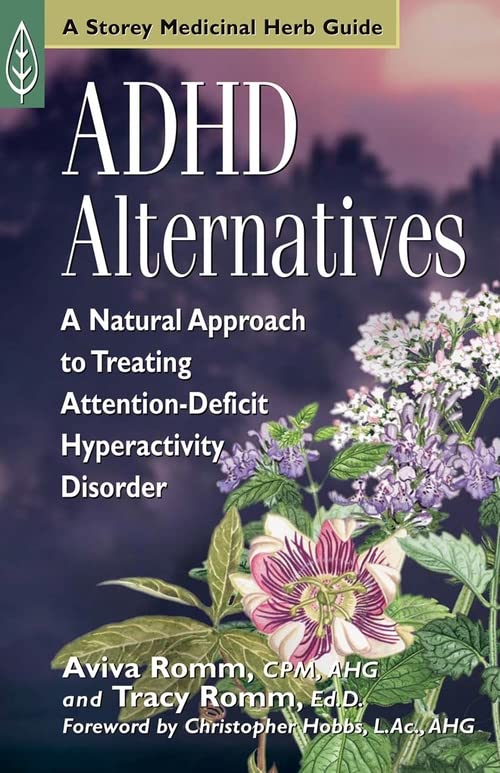
Anyway, as I was saying, experiment a bit. Let’s say you have a terrible habit of getting into bed and immediately grabbing the phone and start scrolling TicTok. Now don’t get me wrong, I love TicTok too, but there is nothing on there that can’t wait until you’ve allowed your body to rest and rejuvinate itself. Afterall, you now know all the important things that take place when you sleep. Instead learn to ‘retire from your day‘, create a plan, work your plan and get the most out of your sleep.

The bottom line is that now that you know your situation, take control of it, master it and keep going. Women with ADHD, RSD and Bipolar Disorder have made great strides in their worlds and so can you. Learn to learn about you and the sky’s the limit.

Just A Personal Side Note: In all fairness, there’s is a whole lot more to getting a reign on your Bipolar Disorder. It takes a lot of research, soul searching and self discovery. And it takes a lot of adjusting and a whole lot of time and patience. My son-in-law was quite reluctant in the beginning but as I made suggestions, according to research I could show him, he did help himself by complying to my requests. I bought him a few suppliments I thought would help and my daughter started presenting differant meals to improve their diets and they created a bedtime ritual, that quite frankly benefitted both of them. I bought them a ‘thoughts’ journal and a ‘food’ journal and together they wrote his story. About 6 months into it, he himself realized just how much better he was feeling. His aches were lessening, he was actually sleeping 8 hours a day and he’d lost a conciderable amount of weight. His mind was not racing as much, his spirit was content and having a day filled with rewarding habits seemed to be the beginning of healing. Now although his diagnosis turned out to be way off the mental dysregulation path, did not seem to change things. He was already on the right path to being the happy, carefree young man he once was. A year later, still following the game plan they had created for themselves, their family is happy, healthy and thriving. All because he took control of his situation by educating himself and following through with life changes that absolutely made all the differance.

A little off subject again

While I was researching, I tripped across a few interesting recipes that used natural ingredients that have been proven to improve ADHD. My daughter used them and to this day they stay in her line up of cuisine.

Her favorite is Lion’s Main Crab Cakes. (The kids think it’s lobster!) And be warned, we will constantly refer to this mushroom throughout the site. Lion’s Mane is something you will want to become familiar with.

Anyway, I can’t remember where I found the recipe but knew that I wanted to get fresh Lion’s Mane into their diet. Finding the fresh Lion’s mane was a bit trying but soon it was like ordering anything else on line.

Here’s the recipe my daughter uses for this wonderful dish and here’s a few web sites that will explain facts and fiction on this fungi called Lion’s Mane.

In a large bowl combine:

1 egg
1 tablespoon mayonnaise
1 teaspoon Worcestershire sauce
¾ teaspoon old bay seasoning
1 teaspoon dijon mustard
1 tablespoon finely chopped parsley
Salt and Pepper to taste
½ cup panko breadcrumbs
¼ cup finely chopped scallions or green onions
Shred 8-10 ounces of fresh Lion’s Mane Mushrooms to look like shredded crab meat might look. Gently fold into the egg mixture until completely incorporated.

Form mixture into crab cakes and cook in oil in a saute pan over medium/high heat for about 3 minutes on each side or until golden brown. Remove to a paper towel lined plate and serve warm with a remoulade sauce.

Remoulade Sauce:

In a bowl combine:

⅔ cup mayonnaise
1 tablespoon dijon mustard
1 tablespoon lemon juice
1 teaspoon lemon zest
1 teaspoon worcestshire sauce
1 tablespoon chopped chives
1/2 tablespoon finely chopped scallions or green onions
½ teaspoon smoked paprika
⅛ teaspoon cayenne pepper
Salt and Pepper to taste
Whole Foods sells Lion’s Mane Mushrooms as do many other grocers and health food stores. Do your research and make sure you are comfortable with what you are purchasing. And remember, adding any natural ingredient to your ADHD treatment plan should first be discussed with your primary care professional. Some people do have allergies to mushrooms so make sure you know whether you have this situation or not.

Read these three blogs that discuss Lion’s Main Mushrooms and ADHD.

ADDitude – The Truth About Lion’s Mane, Psychedelics & Caffeine

forij.co – Lion’s Mane vs. Adderall for ADHD

mytwentytwo.co.uk – Lion’s Mane And ADHD: Could This Wonder-Mushroom Offer An Alternative To ADHD Medication?

Sleep Hygiene: The Key To Effective Bipolar Disorder Management

Sleep Hygiene: The key to effective Bipolar Disorder Management

Bipolar Disorder is a complex mental health condition characterized by extreme mood swings and fluctuations in energy levels. Managing bipolar disorder effectively is crucial for individuals to lead fulfilling lives. One often overlooked aspect of bipolar disorder management however is sleep hygiene and yet it is one of the most important keys to effective management of this disorder. It is crusial to explore the significance of sleep hygiene in bipolar disorder management and create practical strategies for establishing healthy sleep habits. By prioritizing sleep hygiene, individuals with bipolar disorder can experience improved mood stability, enhanced overall functioning and a far better quality of life.

Understanding bipolar disorder

Bipolar Disorder involves alternating episodes of mania (elevated mood, excessive energy) and depression (low mood, lack of motivation). Interestingly, research has shown a strong link between bipolar disorder and sleep disorders so looking into your own sleep routine should definitely be a priority.

Here’s a study from the NIH you can look into: Sleep Disturbance in Bipolar Disorder Across the Lifespan

Irregular sleep patterns and disturbances can trigger mood episodes and exacerbate symptoms. Sleep deprivation or disruptions can lead to increased irritability, decreased cognitive function and difficulty in emotional regulation. It becomes crucial to address sleep hygiene as a fundamental component of bipolar disorder management.

So what is sleep hygiene

Sleep hygiene refers to a set of practices and habits that promote healthy sleep. Establishing a regular sleep schedule is paramount for individuals with bipolar disorder. Going to bed and waking up at consistent times help regulate the body’s internal clock and promote better sleep quality.

Creating a conducive sleep environment involves keeping the bedroom cool, dark and quiet, which can facilitate restful sleep.

It obviously goes without saying, but it is essential to avoid stimulants such as caffeine and substances like alcohol or nicotine that disrupt sleep patterns. But eating too late, and too close to when you should be laying down to sleep, is something that should be considered too.

Incorporating relaxation techniques, such as deep breathing, journaling, praying or meditation, before bedtime can help calm the mind and prepare it for sleep.

Regular physical activity during the day can also contribute to better sleep quality. Walking for a half hour in the early evening is a great form of physical activity that will help in a sleep routine.

Learning to retire from your day and engaging your practices and habits is the key to effective bipolar disorder management.

Benefits of Improving Sleep Hygiene in Bipolar Disorder

By prioritizing sleep hygiene, that means seriously making it one of the most important times of your day, individuals with bipolar disorder can experience numerous benefits. Stabilizing mood swings and reducing the frequency and intensity of mood episodes are key advantages. With improved sleep quality, individuals often report enhanced overall functioning, including better concentration, memory and decision-making abilities.

Adhering to proper sleep hygiene can also improve medication effectiveness and treatment outcomes. By reducing the risk of relapse and hospitalization, individuals can maintain a more stable and fulfilling lifestyle. Additionally, better sleep hygiene promotes optimal cognitive functioning and emotional regulation, leading to improved overall well-being.

Sleep Hygiene: The Key to Effective Bipolar Disorder Management
A Few Favorites To Get You Started

5 studies on bipolar disorder you should read for yourself

Sleep Disturbance in Bipolar Disorder Across the Lifespan

The role of sleep in bipolar disorder

Vulnerability to bipolar disorder is linked to sleep and sleepiness

Metabolic syndrome and adverse clinical outcomes in patients with bipolar disorder

Interventions for Sleep Disturbance in Bipolar Disorder

strategies for effective sleep hygiene
Implementing effective sleep hygiene requires a proactive approach. Educating oneself about the importance of sleep hygiene in bipolar disorder is crucial. Collaborating with healthcare professionals to develop personalized sleep plans can provide valuable guidance and support. Establishing a consistent sleep routine and following it diligently, even on weekends, helps regulate sleep patterns.

Utilizing relaxation techniques and stress management strategies before bedtime aids in winding down and preparing the mind for rest. Creating a comfortable sleep environment that is free from distractions and technology can promote uninterrupted sleep. Monitoring sleep patterns and making necessary adjustments based on individual needs and preferences is also beneficial.

Additional considerations for sleep management

In some cases, individuals with bipolar disorder may also experience co-occurring sleep disorders, such as insomnia or sleep apnea. It is essential to address these conditions alongside managing bipolar disorder. Medications used in bipolar disorder treatment may also impact sleep, and it is important to discuss any concerns or side effects with your healthcare provider. Open communication with healthcare providers regarding sleep issues ensures comprehensive care and effective management of bipolar disorder. Support systems and resources, such as support groups or therapy, can provide additional assistance and guidance throughout the journey of managing bipolar disorder and sleep hygiene.

making sleep a priority is just good management
Prioritizing sleep hygiene is an essential aspect of managing bipolar disorder effectively. By following the principles of sleep hygiene, individuals with bipolar disorder can significantly improve their overall well-being and quality of life. Incorporating healthy sleep habits, such as maintaining a regular sleep schedule, creating a conducive sleep environment and practicing relaxation techniques, can have a profound impact on mood stability, cognitive function and emotional regulation.

Remember, implementing effective sleep hygiene requires consistency and commitment. It may take time to establish new habits, but the long-term benefits are worth the effort. By prioritizing sleep hygiene, individuals with bipolar disorder can take an active, leading role in managing their condition and promoting better overall health.

Sleep hygiene plays a vital role in the management of bipolar disorder. It is crucial to recognize the link between bipolar disorder and sleep disorders, as addressing sleep disturbances can significantly impact mood stability and overall well-being.

Prioritizing sleep hygiene is a valuable step towards achieving a balanced and fulfilling life with bipolar disorder.

Improve Sleep Quality with a Weighted Blanket: Sleep disturbances are common among individuals with bipolar disorder, and disrupted sleep patterns can exacerbate mood symptoms. Weighted blankets have been found to promote better sleep quality by increasing serotonin and melatonin production and reducing cortisol levels. The gentle pressure of the blanket can help regulate the sleep-wake cycle, enhance relaxation and lead to more restful sleep, which is crucial for managing your bipolar symptoms. There are plenty to choose from on Amazon and this is my favorite.

what’s so important about sleep

Sleep is a vital process that allows our body and brain to rest, repair and regenerate. While we sleep, several physiological and neurological changes occur, facilitating various essential functions. Let’s delve into what happens to the body and brain during sleep:

  1. Sleep Stages: Sleep is divided into several stages that cycle throughout the night. These stages include non-rapid eye movement (NREM) sleep, which is further divided into three stages (N1, N2, and N3), and rapid eye movement (REM) sleep.
  2. NREM Sleep: During NREM sleep, the body undergoes physical restoration and rejuvenation. N1 is the transition stage between wakefulness and sleep, N2 is a light sleep stage, and N3 is deep sleep. In these stages, the body’s temperature drops, muscles relax, and heart rate and blood pressure decrease. Tissue repair, growth, and immune system strengthening also occur during this time.


  3. REM Sleep: REM sleep is characterized by rapid eye movements and increased brain activity. This stage is associated with dreaming, emotional processing, and memory consolidation. Despite the heightened brain activity, the body experiences muscle paralysis, which prevents us from acting out dreams and protects us from physical harm during sleep.
  4. Hormonal Regulation: Sleep plays a vital role in hormonal regulation. During sleep, the body releases growth hormone, which is essential for tissue repair and growth. Additionally, sleep helps regulate the production of hormones like cortisol (stress hormone), insulin (blood sugar control), and leptin and ghrelin (appetite regulation). Disruptions in sleep can negatively affect hormone balance and lead to various health issues.
  5. Brain Restoration and Consolidation: Sleep is crucial for brain health and cognitive function. During sleep, the brain undergoes processes that enhance learning, memory consolidation, and problem-solving abilities. Sleep allows the brain to process and integrate information gathered throughout the day, strengthening neural connections and improving overall cognitive performance.
  6. Glymphatic System Activation: The glymphatic system, a waste clearance system in the brain, becomes more active during sleep. It helps remove harmful waste products, such as beta-amyloid, a protein associated with Alzheimer’s disease. Proper sleep allows for efficient waste removal and supports brain health and cognitive function.
  7. Energy Conservation: While we sleep, the body’s energy consumption decreases compared to wakefulness. This energy conservation allows for replenishment and restoration of cellular energy stores, promoting overall physical and mental well-being.
  8. Immune System Support: Sleep plays a vital role in supporting the immune system. During sleep, the body produces and releases immune cells and proteins that help fight infections and promote healing. Inadequate sleep can weaken the immune system, making individuals more susceptible to illnesses and infections.

The important thing to know is that sleep is a complex process that involves various physiological and neurological changes. It provides an opportunity for the body and brain to rest, repair, and regenerate. By understanding what happens to the body and brain during sleep, we can appreciate the essential role that sleep plays in maintaining optimal health and well-being. Prioritizing quality sleep is crucial for overall physical and cognitive functioning and one of the most important for those living with bipolar disorder.

Sleep journal

Keeping a sleep journal can be a valuable tool for understanding your sleep patterns and identifying areas for improvement. To start a sleep journal, keep a notebook or use a sleep tracking app – there are plenty to chose from on Amazom – specifically designed for this purpose. Each night before bed, record important details about your sleep. Begin by noting the time you go to bed and the time you wake up. Be sure to include any disturbances or awakenings throughout the night, as well as the duration of each disruption. Additionally, document how you feel upon waking up, including factors like fatigue, mood, and energy levels. It’s also helpful to track lifestyle factors that may impact sleep, such as caffeine or alcohol consumption, exercise, and stress levels. Over time, analyzing your sleep journal will provide insights into patterns and trends that can help you make adjustments to your sleep routine and environment. With consistent use, a sleep journal or aapp becomes a powerful tool for optimizing your sleep hygiene and enhancing your overall sleep quality.

Sleep Hygiene: The Key to Effective Bipolar Disorder Management
A Few Favorites To Get You Started

A little off topic

While I have you here let me add a few hints about journaling. First grab a journal that feels good in your hand. (Here’s the one I use) And by that I mean one you can get attached to. This journal will soon become your best friend and closest confidante. Somedays you will write like a best selling author. Other days, um, not so much. And that’s okay. Just make sure you go to that book everyday for your good mental health.  And trust me, you will soon know eactly why.

With that said, when I first started researching neurodevelopmental disorders (my son-in-law had been wrongly diagnosed with RSD), I began keeping notes on all the information I was suddenly taking in. And that was okay, and necessary, but I also quickly learned that I had to know far more about my son-in-law. I needed to know about his daily actions, his diet, his habits, his sleeping routine – of which he had none – and so many little idiosyncrasies I hadn’t realized even existed. Without this data on a daily, I was simply stabbing in the dark. So I ask him to start keeping a very detailed account of everyday and how he slept each night for one month. This data proved priceless. Patterns began to reveal themselves and a road to managing his symptoms began falling into place. Dim little lightbulbs started popping on. And all with very little effort on his part.

So for the first thirty days after being diagnosed, whether that be ADHD, RSD or Bipolar Disorder, it would be wise to start understanding your own habits – both good and not so good. Write down everything you consume in a day and the time you ate it. Detail any symptoms – when they are heightened or drop off. Pay close attention to your water consumption. Detail the amount of caffine you take in. Record what time you retire to bed and what time you wake. How tired were you when you went to bed. Did you fall fast asleep or was it a restless night. Did you rise in a good mood? Bad mood? Dragging or hopping right into the day? What did you eat for breakfast. Did you leave for work on time? You get the idea. Every move is relevant. Literally.

With that said, I do believe, that for many of us anyway, spending time exploring who you truly are in your day to day, can only lead to a healthier body, an eased mind and a content spirit. A combination that each of us is looking for. Learning to journal, and taking the results seriously, is one of those necessary ‘small changes’ that need to be put into place for whole self wellness.

A little side note here: Keeping more than one kind journal could make the process easier. Keeping a dietary journal and/or a sleep journal seperate from your thoughts journal might reveal certain things that will become relevant over time.

Back on subject

Finally, let’s talk about the Bipolar brain. What exactly is going on in there?

Well, in individuals with bipolar disorder, there are distinct differences in brain functioning compared to those with a typical, non-bipolar brain. These differences can be observed through various neuroimaging techniques and shed light on the underlying neurological mechanisms of the disorder. Here are some key ways in which the brain of someone with bipolar disorder differs from a normal brain:

  1. Structural Differences: Neuroimaging studies have identified structural abnormalities in certain brain regions of individuals with bipolar disorder. These include alterations in the prefrontal cortex, amygdala, and hippocampus, which are involved in emotional regulation, mood processing, and memory formation. These structural changes may contribute to difficulties in emotion regulation and the mood disturbances observed in bipolar disorder.
  2. Functional Imbalances: Brain imaging studies have also revealed differences in the functional connectivity and activation patterns within the brains of individuals with bipolar disorder. These imbalances can affect various brain networks involved in emotional processing, cognitive control, and reward systems. The disruptions in these networks can contribute to the oscillation between manic and depressive episodes characteristic of bipolar disorder.
  3. Neurotransmitter Dysregulation: Bipolar disorder is associated with dysregulation of several neurotransmitters, including serotonin, dopamine, and norepinephrine. These neurotransmitters play a crucial role in regulating mood, emotions, and cognitive processes. The imbalance of these neurotransmitters can contribute to the extreme mood swings and disrupted emotional states experienced in bipolar disorder.
  4. Circadian Rhythm Disruptions: Bipolar disorder is often associated with disruptions in the circadian rhythm, the internal biological clock that regulates sleep-wake cycles and other physiological processes. Neuroimaging studies have shown alterations in brain regions involved in circadian rhythm regulation, such as the suprachiasmatic nucleus. These disruptions can contribute to sleep disturbances and disturbances in daily routines often observed in individuals with bipolar disorder.

It is important to note that these brain differences in bipolar disorder do not imply a “fault” or inherent abnormality. Instead, they reflect the complex interplay of genetic, environmental, and neurobiological factors that contribute to the development and progression of bipolar disorder. Further research is ongoing to deepen our understanding of these brain differences and their role in the onset, course, and treatment of bipolar disorder.

Here are a few articles that will throw some more light on this topic. They are short reads with a plethora of data.

Neurodevelopmental subtypes of bipolar disorder are related to cortical folding patterns: an international multicenter study

Uncovering neurodevelopmental features in bipolar affective disorder

Neurodevelopmental pathways in bipolar disorder

What’s a body to do

Now that we’ve covered Bipolar Disorder and the need for calulated sleep in layman’s terms, definately dive deeper on a daily basis. Make it part of who you are. Create the habit of reading one relevant article, study or email on the subject daily. Now that’s not to say they will all be relevant to you, but it will force the situation where you stay tuned into the subject. All it might take is one relatable story to reveal a secret that makes your life easier and more enjoyable. And what’s a few minutes spent everyday reading a few thousand words that could deliver a tip, trick or study that could add to the peace and joy in your life.

And write, write, write. Get a journal and start your story today. I am not kidding when I say you are probably a stranger to yourself and have been most of your life. You took on what others may have said about you, knowing full well their words were wrong but not knowing how to explain they were. And so you just let it ride and somehow became (and accepted) what those words represented. Over time, and hearing these words often enough, makes one buy into the line and believing such brings on the new problem of low self esteem, shame and embarrassment. It’s only after a accurate diagnosis of Bipolar Disorder that everything comes into focus. By that time however, much of the damage has been done and is often difficult to unlearn. But journaling is your key to freedom.

And last be not least, experiment with your own sleep hygiene. By that I mean, try making a few small changes in your sleep routine and see what happens. Write your journal, read your journal and implement the obvious changes that need to be made. Navigate through your journey, don’t let the waves just move you along.

And before we go any further, you must give everything a fair fighting chance to work. Four days to see if a suppliment has any effect on you is not a fair shot. Changes take time to cause results. Like a long time. Remember you have been Bipolar most of your life. So adding a suppliment – which I promote heavily at times – will take a bit of time to take hold. So, when you decide to add (or subtract) something to or from your life, make a vow to follow through for 365 days before deciding to retain or abort the action.

Anyway, as I was saying, experiment a bit. Let’s say you have a terrible habit of getting into bed and immediately grabbing the phone and start scrolling TicTok. Now don’t get me wrong, I love TicTok too, but there is nothing on there that can’t wait until you’ve allowed your body to rest and rejuvinate itself. Afterall, you now know all the important things that take place when you sleep. Instead learn to ‘retire from your day‘, create a plan, work your plan and get the most out of your sleep.

The bottom line is that now that you know your situation, take control of it, master it and keep going. Women with ADHD, RSD and Bipolar Disorder have made great strides in their worlds and so can you. Learn to learn about you and the sky’s the limit.

Just A Personal Side Note: In all fairness, there’s is a whole lot more to getting a reign on your Bipolar Disorder. It takes a lot of research, soul searching and self discovery. And it takes a lot of adjusting and a whole lot of time and patience. My son-in-law was quite reluctant in the beginning but as I made suggestions, according to research I could show him, he did help himself by complying to my requests. I bought him a few suppliments I thought would help and my daughter started presenting differant meals to improve their diets and they created a bedtime ritual, that quite frankly benefitted both of them. I bought them a ‘thoughts’ journal and a ‘food’ journal and together they wrote his story. About 6 months into it, he himself realized just how much better he was feeling. His aches were lessening, he was actually sleeping 8 hours a day and he’d lost a conciderable amount of weight. His mind was not racing as much, his spirit was content and having a day filled with rewarding habits seemed to be the beginning of healing. Now although his diagnosis turned out to be way off the mental dysregulation path, did not seem to change things. He was already on the right path to being the happy, carefree young man he once was. A year later, still following the game plan they had created for themselves, their family is happy, healthy and thriving. All because he took control of his situation by educating himself and following through with life changes that absolutely made all the differance.

Just one more thing

The active compounds in saffron are called crocin, safranal, and picrocrocin and these compounds are thought to have a variety of therapeutic effects. When it comes to ADHD, RSD and/or Bipolar Disorder, saffron has been found to have a positive effect on the body‘s central nervous system and the brain. Studies have found that saffron increases levels of dopamine, serotonin, and norepinephrine in the brain. These neurotransmitters are responsible for regulating mood, attention, and behavior.

Read: One Spice Everyone With ADHD Should Know About

By increasing levels of these neurotransmitters, saffron can help to improve focus and concentration, reduce impulsivity, and reduce hyperactivity. Other studies have found that saffron helps to improve memory and learning. This is likely due to the fact that saffron helps to increase blood flow to the brain. This increased blood flow can help to improve overall brain function, and can even help to reduce the symptoms of ADHD. Studies have shown that saffron can help to improve overall sleep quality, as well as reduce insomnia and other sleep disorders. This is likely due to the fact that saffron helps to reduce stress and anxiety, which can often be the cause of sleep disturbances.

Finally, saffron can help to reduce anxiety and depression. Studies have found that saffron has an antidepressant effect, and can help to reduce the symptoms of anxiety and depression. This is likely due to the fact that saffron helps to increase levels of serotonin and dopamine in the brain, which can help to improve overall mood. Overall, saffron has been found to have a variety of therapeutic effects on the body and brain.

Now that’s something we should all be consuming.

Disclaimer: The information or products mentioned in this article are provided as information resources only and are not to be used or relied on to diagnose, treat, cure or prevent any disease. The statements made in this article have not been evaluated by the Food and Drug Administration. Any products mentioned are not intended to diagnose, treat, cure, or prevent any disease. The information in this article is intended for educational purposes only. The information is not intended to replace medical advice offered by licensed medical physicians. Please consult your doctor or health practitioner for any medical advice.

Brain Energy: A Revolutionary Breakthrough in Understanding Mental Health–and Improving Treatment for Anxiety, Depression, OCD, PTSD, and More.

This is the book that will forever change the way we understand and treat mental health. A must read for anyone suffering with mental disorders. If you or someone you love is affected by mental illness, this book might just change your life forever.

Highly Recommended!