

Rejection Sensitive Dysphoria in Layman’s Terms
Rejection Sensitive Dysphoria (RSD) is a condition that is characterized by an extreme sensitivity to rejection. (Real or imagined.)
People with RSD tend to experience intense feelings of anxiety, depression and/or rage when they are rejected – even if the rejection is minor (or imagined). RSD is often comorbid with other mental health conditions, such as anxiety disorders, depression and eating disorders. It can also lead to self-harm and suicidal ideation.
RSD is part of ADHD. It’s neurologic and genetic. People with RSD often experience intense feelings of shame, inadequacy and worthlessness in response to even the smallest perceived rejection. RSD can have a profound impact on a person’s life, leading to social isolation, anxiety, depression and suicide.
Rejection Sensitive Dysphoria is when a person feels intense emotional pain related to rejection. RSD is often associated with conditions such as attention deficit hyperactivity disorder (ADHD) and borderline personality disorder (BPD), but it can also occur on its own.
Common symptoms include:
– Feeling overwhelmed by fear of being judged or rejected
– Excessive feelings of insecurity, shame, and guilt
– Avoiding social situations and activities due to fear of being rejected
– A strong need for approval and validation
– Avoiding activities in order to avoid criticism
– A preoccupation with what other people think
– Feeling easily embarrassed or humiliated
RSD can cause physical symptoms such as racing heartbeat, sweating, and anxiety. A person might also get headaches, nausea, and rashes in response to rejection. These physical symptoms may be a sign of chronic stress caused by RSD.
RSD can also lead to mental health problems such as depression and social anxiety. As the condition is so closely associated with fear of criticism and rejection, it can have a significant impact on relationships, work, school, and nearly every other aspect of life.
Keep in mind, the word dysphoria means overwhelming or unbearable. A dysphoric mood is a consistent state of profound (unbearable or overwhelming) unhappiness, dissatisfaction and utter hopelessness. This is not a passing moment, but rather a lingering emotion that remains present and constant.
People struggle with letting go of past hurts and/or rejection and struggle with heightened emotional sensitivity. They may hold onto unkind words or actions
directed towards them for months or years. RSD can also reflect a personal belief that you have let someone down.
The important thing to understand is that having Rejection Sensitive Dysphoria does not make one weak or incapable. It means that the RSD brain is wired to feel things more intensely and replay unpleasant interpersonal interactions over and over.

So what does this really feel like?
Like ADHD, Rejection Sensitive Dysphoria is unique to each person. No two brains work alike and with RSD it is no differant. However, for most, who can actually explain what they are feeling, it’s like receiving a physical wound. Everything instantly hurts. You could feel the sudden wave of nausea, get a racing heart beat, a throbbing headache overpowers you. Emotionally you might want to cry, scream or throw things. Everything is seen through a dark, hopeless perspective.
In layman’s terms – RSD is a triggered, wordless emotional pain that occurs after a real or perceived loss of approval, love, or respect. Simple things that, to a neurotypical person, would barely warrant a sigh of disappointment, will send the person with RSD, who is unable to properly filter and process these rejections, immediately spiralling into a dark void of anxiety and self-loathing. The ‘pain’ is extreme.
Read the words from those who actually suffer from RSD in this post from ADDitude. They will give you some real insight into what RSD actually feels like.
How Does RSD Really, Actually Feel?

First and foremost
Experts aren’t sure exactly why RSD happens, but believe it involves issues with the structure and the size of the brain, much like those with ADHD.
Researchers do know that social rejection does cause similar brain activity to that of physical pain. Likewise, research has proven that the ADHD brain doesn’t regulate internal communication the same way as the neurotypical brain. The brain areas that filter and regulate signals aren’t as active and could likely explain why rejection is so much more disturbing and painful to someone with RSD.
A Few Favorites To Get You Started



Read Our Affiliate Disclaimer Here
get the facts Once diagnosed, it’s important to get the facts on RSD. Like ADHD and Bopolar Disorder, there is a plethora of data to digest. But it is important to know exactly what you are dealing with. Remember my motto: Knowledge is power and you want all the power you can get. Become the expert on the subject and you will be all the better for it.
Learning about Rejection Sensitive Dysphoria is an essential step in managing it and purhaps, in time, conquering it. Because every case is unique and no two people with this emotional dysregulation, that’s what it’s called by the way, act or react in the exact same way, it’s important to learn all about your own situation. So it’s important to become as informed as possible about RSD and the various treatments available for it. Then determine which pieces and parts that you identify with and concentrate on mastering those first. From there, the sky’s the limit.
ADDitude has a wonderful – free – download: rejection sensitive dysphoria: why it happens, what it looks like, and what you can do to get the help you need. It’s a great place to start. So what causes Rejection Sensitive Dysphoria.

That’s a big one. However, rejection sensitive dysphoria is believed to be a result of a combination of genetic, environmental, and psychological factors.
Genetic: Research suggests there may be a relationship between RSD and certain genes. A 2017 study found that a gene called FKBP5 may be involved in the development of RSD. However, more research is needed to determine how genetic factors may contribute to RSD.
Here’s one study to read on the subject: Rejection sensitivity and disruption of attention by social threat cues Here’s another : New Insights Into Rejection Sensitive Dysphoria Psychological: Psychological factors may also play a role in the development and maintenance of RSD. Stress, anxiety, depression, and emotional trauma have all been linked to RSD. Additionally, individuals with RSD may have high levels of neuroticism, and some studies suggest that a history of childhood abuse or neglect may increase the risk of developing RSD. (However, many studies also insist that a trauma does not necessarily contribute.)
More research is warranted on the subject but it’s good to know that it is being studied seriously.
Negative self-talk and beliefs about oneself may also contribute to the perpetuation of RSD, as well as a lack of social support or a history of interpersonal difficulties. It is important to address these psychological factors in conjunction with medical treatment in order to effectively manage RSD.
Cognitive-behavioral therapy and other forms of psychotherapy can help individuals to reframe their negative thoughts and beliefs, manage symptoms of stress and anxiety, and develop healthy coping strategies. It is also important to address any underlying emotional trauma through therapy. By addressing these
psychological factors, individuals with RSD can better manage their symptoms and improve their overall quality of life.
Neurological: RSD is thought to be caused by a dysfunction in the way the nervous system processes pain signals. This dysfunction may be related to a
malfunction in the sympathetic nervous system, which is responsible for the body’s physical response to stress. Additionally, recent studies suggest
that RSD may be related to changes in the brain’s processing of pain signals, specifically in the thalamus and insula regions..
Environmental Factors: People with RSD may have had a history of abuse, bullying, or traumatic experiences. This may lead to a heightened sensitivity
to criticism and rejection.
RSD is most commonly associated with attention deficit hyperactivity disorder (ADHD). People with ADHD may experience RSD as a result of their difficulty
with social skills, impulsivity, and emotional regulation. Rejection sensitivity dysphoria is a common condition co-existing with ADHD.
It is important for individuals who experience symptoms of RSD to seek professional help from a mental health provider. Treatment may include therapy,medication, and behavioral interventions.

The latest studies
Keeping up with the latest finds on the subject of RSD is paramount. This topic is still listed in the newish column but conversations are a plenty.
Studies are being conducted and hope is definately on the horizon.
Here are four resources that you will want to start with and follow throughout your jouney. They will constantly keep you abreast of the lastest on the
topic of RSD.
CHADD.org
ADD.org
Additudemag.com
HowtoADHD.com
Remeber that rejection sensitive dysphoria appears to be the one ’emotional condition’ found only with ADHD. Early research on ADHD overlooked rejection sensitivity because it was often, purhaps without intent, hidden.
Keep in mind that RSD is an extreme emotional sensitivity and emotional pain triggered by the perception or imagination by the person with ADHD that
they have been rejected, been teased, been criticized, disappointed important people in their lives and/or withdrawn their own approval of themselves
when they failed to attain their own standards or goals.
Also realize that the ‘pain’ is extreme. “Dysphoria” is literally Greek for “unbearable.” The pain is so overwhelming that people struggle to find words for it.
Understanding these characteristics will help with your research and decipher correct data from ‘not so good’ data.

so what’s a body to do
Here are a few tips for learning about your RSD:
1. Of cource read books and articles on RSD. There’s a lot of data out there and not all of it is correct. So it’s important to read works written by mental health
professionals.
2. Speak to and/or read posts written by other adults who have been diagnosed with RSD and learn from their experiences. Real life solutions can sometimes trigger
solutions for yourself. Learning what other have done to find relief might trigger ideas for you as well. Also, just having someone who actually understands what
you are going through can be very helpful.
3. Learn about how you can make cognitive-behavioral changes to manage your symptoms. Walk therapy, talk therapy, spiritual therapy, mediation, nature therapy,
and/or journalling might be beneficial. Test each approach and perfect the ones that work for you.
4. Research medications used to treat RSD and the potential side effects. This is extremely important. If the cure is worse than the disease, you really want to
know this. Do your own due diligence and talk things out with your health care provider. Remember, RSD is not yet an officially recognized medical condition so
there aren’t any medications specifically approved to treat it. Instead, healthcare providers use a practice known as “off-label prescribing.
Here are a few common drugs you should research:
Atomoxetine
ADHD Medication
Monoamine Oxidase Inhibitors (MAOI)
5. Learn about herbal and natural treatments that help with RSD. These might include dietary supplements, certain foods, herbs, spices and/or mushrooms.
Here at AllNaturWell, it’s one of our favorite subjects so you will find the topic discussed repetitively here.
6. Learn how to learn about you. This one is paramount. Get a journal and start figuring you out. You now know what is taking place inside of you.
A slight defect that does not have to define your life. Get control over it and start your journey toward a more peaceful life. The more you become your real self, the less you will worry about fitting into a world that wasn’t necessarily designed precisely for you. This action alone will lead to more contentment and inner peace. And you will be surprised at what inner peace will do for the body and the mind. The spirit is a powerfull entity.
7. Learn about nutrition and dietary changes that will help. You already know that what you eat can effect your brain. So get a food journal and start tracking
what you eat and drink. Take this part seriously and you are off to a good start. The important thing is to learn about the foods you consume and recognize how the body and brain react to them. Then act, or react, in good manner.
A Few Favorites To Get You Started
Read Our Affiliate Disclaimer Here

so what should you do right now
Get a journal and start learning to learn about you. We here at AlllNaturWell believe journalling is the right place to begin. Discovering who you truly are is
a great aid in managing not only RSD, but ADHD and Bipolar Disorder as well. It’s a way to get a grasp on your new found characteristic and ‘take control’ of it. Writing things down allows you to ‘see’ certain patterns in yourself that can be used (or un-used) when learning to manage, and purhaps master, your mental health for the long haul.
As always, I’ve listed a few suggestions below but Amazon has a great variety when it comes to journals, diaries and planners. Again, if you have never journaled, start with something that gives you prompts, reminders and encouragement. And don’t make it chore. Make it a tool that works for you. You might just be the most interesting person you’ll have the pleasure of knowing. So go ahead. Let the self discovery begin.
A Few Favorites To Get You Started

Read Our Affiliate Disclaimer Here

A little off topic
While I have you here let me add a few hints about ‘thoughts’ journaling. First grab a journal that feels good in your hand. (Here’s the one I use)
And by that I mean one you can get attached to. This journal will soon become your best friend and closest confidante. Somedays you will write like
a best selling author. Other days you will doodle because you have nothing to say. And that’s okay. Just make sure you go to that book everyday for your
good mental health. And trust me, you will soon know eactly why.
With that said, when I first started researching neurodevelopmental disorders, which is what we are talking about when addressing ADHD, I began keeping
notes on all the information I was suddenly taking in. And that was okay, and necessary, but I also quickly learned that I had to know far more about my
son-in-law. I needed to know about his daily actions, his diet, his habits, his sleeping routine – of which he had none – and so many little idiosyncrasies
I hadn’t realized even existed. Without this data on a daily, I was simply stabbing in the dark. So I ask him to start keeping a very detailed account of
everyday for one month. This data proved priceless. Patterns began to reveal themselves and a road to managing his symptoms began falling into place.
Dim little lightbulbs started popping on. And all with very little effort on his part.
So for the first thirty days after being diagnosed, whether that be ADHD, RSD or Bipolar Disorder, it would be wise to start understanding your
own habits – both good and not so good. Write down everything you consume in a day and the time you ate it. Detail any symptoms – when they are
heightened or drop off. Pay close attention to your water consumption. Detail the amount of caffine you take in. Record what time you retire to bed and
what time you wake. How tired were you when you went to bed. Did you fall fast asleep or was it a restless night. Did you rise in a good mood? Bad mood?
Dragging or hopping right into the day? What did you eat for breakfast. Did you leave for work on time? You get the idea. Every move is relevant. Literally.
With that said, I do believe, that for many of us anyway, spending time exploring who you truly are in your day to day, can only lead to a healthier
body, an eased mind and a content spirit. A combination that each of us is looking for. Learning to journal, and taking the results seriously, is one
of those necessary ‘small changes’ that need to be put into place for the whole self wellness.
A little side note here: Keeping more than one kind journal could make the process easier. Keeping a dietary journal seperate from your thoughts
journal might reveal certain things that will become relevant over time.

back on subject
Lets’ step back and take in the whole picture that’s been put before us.
Being diagnosed with RSD, ADHD or Bipolar Disorder can be scary. But, in some way, it can be a relief. Knowing the devil you’re dancing with does give you a huge advantage.
And a bit more power.
So let’s recap a moment. The brain is a communication network where messages are sent from one brain cell to the next. There is a gap between these cells, called neurons,
which is called a synapse. In order for messages to be passed along smoothly, the synapse needs to be filled with a neurotransmitter. Neurotransmitters are chemical messengers, and each one is responsible for different functions.
The key neurotransmitters for the ADHD brain are dopamine and noradrenaline. In the ADHD brain, there is ‘dysregulation of the dopamine system’. This means, in layman’s terms, that there is either too little dopamine, the dopamine is not being used efficiently or there are not enough receptors for the available dopamine.
It has been proposed that if you have attention deficit hyperactivity disorder there’s a good chance you could also have Rejection Sensitive Dysphoria.
Rejection sensitive dysphoria is when you experience intense emotional pain because of feeling rejected. This condition is linked to ADHD. Experts believe this happens due to differences in brain structure. Because of those structural differences, the brain can’t properly regulate rejection-related emotions and behaviors, making them much more intense.
Medicines used for ADHD often help ease the symptoms of RSD as well
Here are a few articles that will throw some more light on this topic. They are short reads with a plethora of data.
ADHD vs. Non-ADHD Brain – WebMD
Dopamine – Health Direct
Norepinephrine (Noradrenaline) – Cleveland Clinic

keep going
Now that we’ve covered RSD in layman’s terms, definately dive deeper on a daily basis. Make it part of who you are. Create the habit of reading one relevant article, study or email on the subject daily. Now that’s not to say they will all be relevant to you, but it will force the situation where you stay tuned into the subject. All it might take is one relatable story to reveal a secret that makes your life easier and more enjoyable. And what’s a few minutes spent everyday reading a few thousand words that could deliver a tip, trick or study that could add to the peace and joy in your life.
And write, write, write. Get a journal and start your story today. I am not kidding when I say you are probably a stranger to yourself and have been most of your life.
And last but not least, experiment. By that I mean, try making a few small changes in your routine and see what happens.
Talk therapy for example might be a great place to start. Psychotherapy has become a promicing aid for people with RSD. People with RSD struggle with letting go of past hurts and/or rejection. They may hold onto unkind words or actions directed (whether real or not) towards them for months or years. RSD can also reflect a personal belief that you have let someone down. Therapy doesn’t stop RSD or affect the symptoms but can help a person learn how to better process and manage feelings.
And before we go any further, you must give everything a fair fighting chance to work. Four days to see if a suppliment has any effect on you is not a fair shot. Changes take time to cause results. Like a long time. Remember you have been suffering with RSD most of your life. So adding a suppliment – which I promote heavily at times – will take a bit of time to take hold. So, when you decide to add (or subtract) something to or from your life, make a vow to follow through for 365 days before deciding to retain or abort the action.
The bottom line is that now that you know your situation, take control of it, master it and keep going. Women with RSD, ADHD and/or Bipolar Disorder have made great strides in their worlds and so can you. Learn to learn about you and become who you were always meant to be. It’s never too late to enjoy your life.
Just A Personal Side Note: In all fairness, there’s is a whole lot more to getting a reign on your RSD. It takes a lot of research, soul searching and self discovery. And it takes a lot of adjusting and a whole lot of time and patience. My son-in-law was quite reluctant in the beginning but as I made suggestions, according to research I could show him, he did help himself by complying to my requests. I bought him a few suppliments I thought would help and my daughter started presenting differant meals to improve their diets and they created a bedtime ritual, that quite frankly benefitted both of them. I bought them a ‘thoughts’ journal and a ‘food’ journal and together they wrote his story. About 6 months into it, he himself realized just how much better he was feeling. His aches were lessening, he was actually sleeping 8 hours a day and he’d lost a conciderable amount of weight. His mind was not racing as much, his spirit was content and having a day filled with rewarding habits seemed to be the beginning of healing. Now although his diagnosis was not ADHD but rather RSD, did not seem to change things.
He was already on the right path to being the happy, carefree young man he once was. A year later, still following the game plan they had created for themselves, their family is happy, healthy and thriving. All because he took control of his situation by educating himself and following through with life changes that absolutely made all the differance.

a little off topic again
While I was researching, I came across a very interesting book that I just had to have – for myself – but I wanted to share it with everyone.
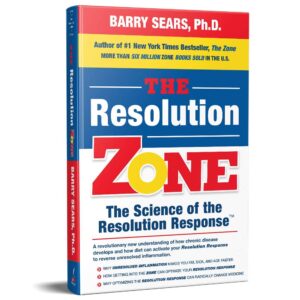
It’s called The Resolution Zone by Barry Sears. It’s a more recent book on the subject of inflamation in the body and the results produced.
It’s available on Amazon or on this post – ADHD: An inflammatory condition – The link between ADHD and obesity – that gives a ton of information on
Barry Sears and the book itself.
According to Mr. Sears, there two types of inflammation. The first is classical inflammation that causes physical pains. The second type is cellular
inflammation that is below the perception of pain. It is this type of cellular inflammation that causes disruption in the cellular signaling networks.
(Remember the message senders? That’s the signaling networks he’s talking about.) For example, if the inflammation is in the fat cells, the result is
increased accumulation of body fat. However, if the inflammation is in the brain cells, the result is increased neurological disorders, including ADHD.
It might be the place to begin your research.
A Few Favorites To Get You Started



Read Our Affiliate Disclaimer Here
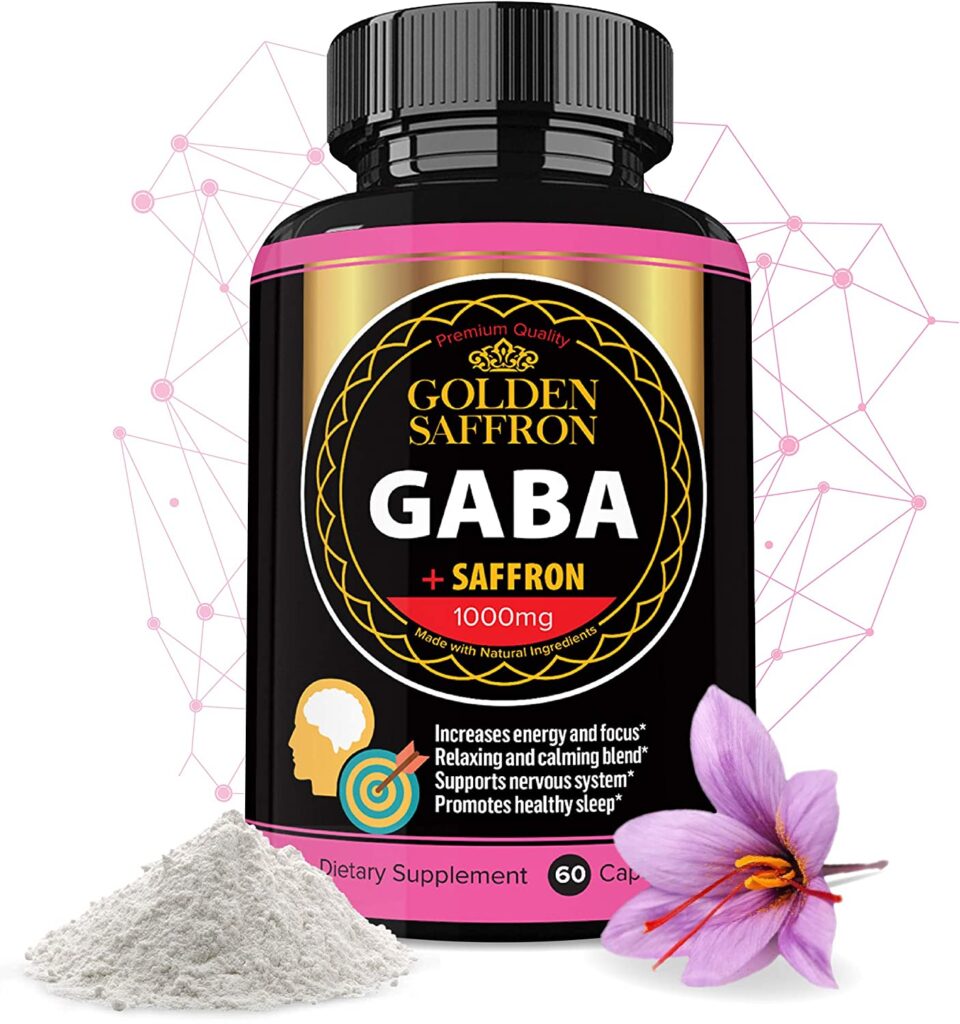
Saffron is a spice with antidepressant effects, which work by altering different chemicals and brain receptors. In essence, it inhibits the re-uptake of dopamine and norepinephrine, leading to increased levels of these two compounds in the brain. This can help combat ADHD symptoms, as research has found lower levels of dopamine and norepinephrine in those with ADHD. Medications such as stimulants (Ritalin and Adderall) also work by regulating the levels of dopamine and norepinephrine in the brain. Saffron also increases GABA, which has anti-anxiety effects.

Magnesium is an essential mineral that promotes brain function. Its bioavailability has the potential to influence neurotransmitter binding and receptor activation. Magnesium, for example, can boost serotonin transmission by increasing endogenous serotonin receptors (5-HT1A). Furthermore, magnesium regulates glutamate levels by blocking NMDA receptors. It also helps GABA’s calming effects by interacting with receptor sites. Magnesium tablets with vitamin B6, which boosts magnesium absorption, have shown potential in lowering ADHD symptoms. Because the body only absorbs 30% to 40% of dietary magnesium, supplementation is the most dependable strategy to enhance magnesium levels.
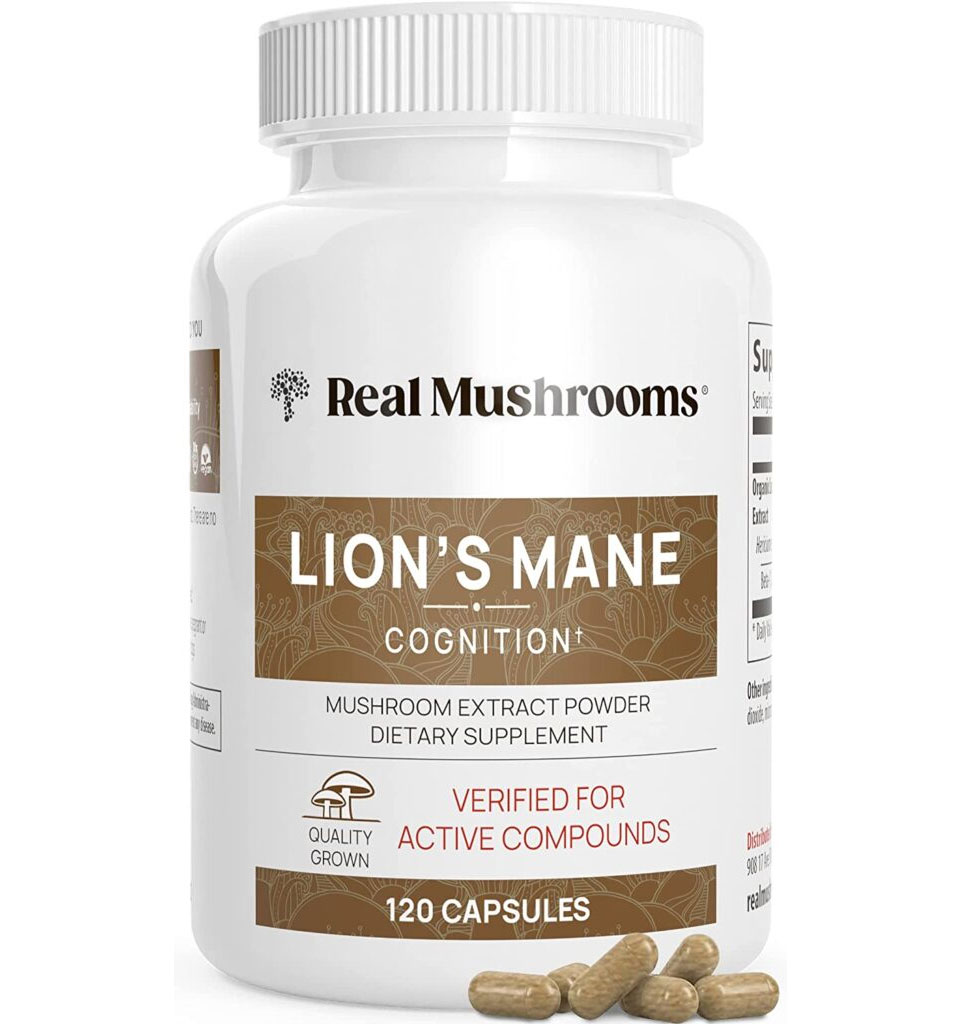
Lion’s Mane (Hericium erinaceus) is a medicinal mushroom known for its potential cognitive benefits. While research on the effects of Lion’s Mane specifically on Attention-Deficit/Hyperactivity Disorder (ADHD) is limited, some studies suggest it may have positive effects on certain ADHD-related symptoms. Lion’s Mane contains bioactive compounds like hericenones and erinacines, which have been found to stimulate the production of nerve growth factors in the brain. Studies have shown that Lion’s Mane works in the brain to modulate neurotransmitters such as dopamine and serotonin which are released when we feel happiness.