

Finding Balance: Holistic Lifestyle Tips for Bipolar Disorder
Maintaining a balanced and fulfilling life with Bipolar Disorder is achievable with a holistic approach. By incorporating various lifestyle strategies, you can support your well-being, manage mood fluctuations and promote stability. In this article, we will explore practical tips and holistic lifestyle practices that can empower individuals with Bipolar Disorder to find balance and enhance their overall quality of life. Even if the whole world feels titled around you.

Understanding Bipolar Disorder
Begin by gaining a deeper understanding of Bipolar Disorder, its symptoms and how it affects your life. Invest in your own wisdom. Educate yourself about the different phases of the disorder, such as manic and depressive episodes and the potential triggers that can impact your mood stability. This knowledge will serve as a foundation for implementing effective holistic strategies.
Understanding bipolar disorder is crucial for women who are living with this condition. Bipolar disorder is a mental health condition characterized by extreme mood swings, encompassing episodes of mania and depression. During manic episodes, individuals may experience heightened energy, racing thoughts, decreased need for sleep and impulsive behavior.
Depressive episodes, on the other hand, involve feelings of debilitating sadness, low energy, difficulty concentrating and changes in appetite and sleep patterns. It’s important for women with bipolar disorder to recognize the signs and symptoms of both manic and depressive episodes, as well as the triggers that may contribute to these episodes. (This is where journaling and learning to learn about you can help immensely.)
Seeking professional help is essential for accurate diagnosis and the development of a personalized treatment plan, which may include medication, therapy and lifestyle adjustments. Building a strong support network of loved ones and healthcare professionals is also valuable for managing bipolar disorder effectively.
With proper understanding, support and adherence to treatment, women with bipolar disorder can lead fulfilling lives and achieve stability in their mental health. Knowledge is power when it comes to Bipolar Disorder, so understand exactly what you are dealing with in order to thrive in this titled world. (Read The Bipolar Disorder Survival Guide: What You and Your Family Need to Know to get you started.)

Nurturing a Nutrient-Rich Diet
Nutrition plays a crucial role in supporting mental health. Emphasize whole, nutrient-dense foods in your diet, including fruits, vegetables, lean proteins and healthy fats. Incorporate foods that are known to support brain health, such as fatty fish rich in omega-3 fatty acids. Eliminate processed foods, refined sugars and alcohol, as they can exacerbate mood swings and disrupt stability.
Nurturing a nutrient-rich diet is of utmost importance for women with bipolar disorder. Consuming a well-balanced diet can help support mood stability, enhance overall well-being and mitigate potential nutrient deficiencies that may impact mental health. Including a variety of whole foods is key, such as fruits, vegetables, lean proteins and healthy fats. These foods provide essential vitamins, minerals and antioxidants that support brain function and promote a healthy mood. Omega-3 fatty acids found in fatty fish like salmon, walnuts and flaxseeds have shown potential benefits for managing bipolar symptoms.
Read – Just Eat Real Food: 30-Minute Nutrient-Dense Meals for a Healthy, Balanced Life – to understand what nutrient-rich or nutrient – dense dishes might represent. It’s a cookbook but one you might want to read like a novel.
Additionally, incorporating foods rich in B vitamins, such as leafy greens and legumes, we will talk more about these in a later post, can support neurotransmitter production and help regulate mood. Again, avoiding processed foods, refined sugars and excessive caffeine can also contribute to better mental health outcomes.
Consulting with a healthcare practitioner or a registered dietitian who specializes in mental health can provide personalized guidance on nutrition and dietary strategies to support women with bipolar disorder.

Supplements for Mood Support
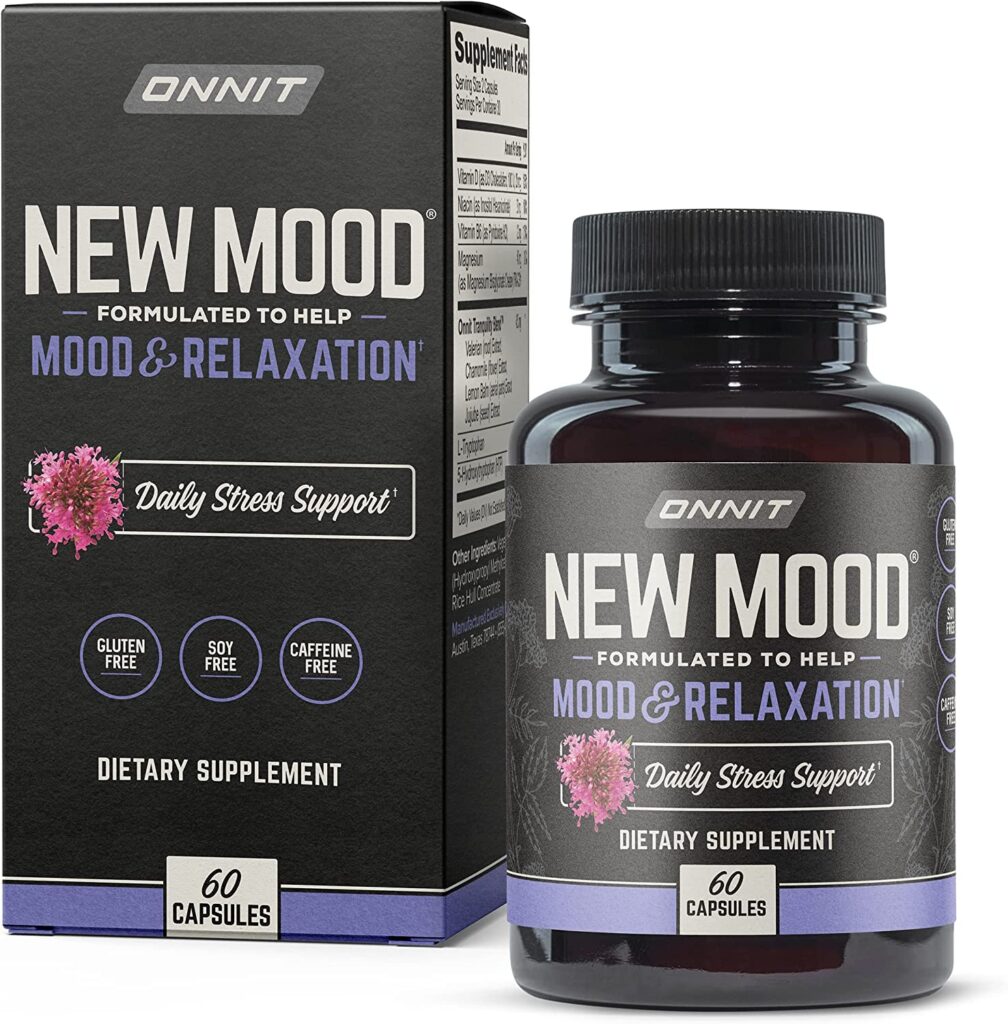
Consider incorporating specific supplements that have shown promise in supporting mood stability for individuals with Bipolar Disorder. Consult with a healthcare professional to determine the appropriate supplements for your needs. Examples may include omega-3 fatty acids, B-vitamins, magnesium and herbal supplements like St. John’s Wort or Saffron. Remember, supplements should be used as part of a comprehensive treatment plan and under professional guidance. Having a good herbalist at your disposal wouldn’t hurt either.
When considering supplements for mood support in women with bipolar disorder, it is essential to approach the topic with caution and consult with a healthcare practitioner. While supplements can play a complementary role, they should not replace prescribed medications or therapy. However, certain supplements may offer potential benefits. Omega-3 fatty acids, particularly EPA and DHA, have shown promise in supporting mood regulation. Vitamin D supplementation may be beneficial, as low levels have been associated with mood disorders.
Some individuals with bipolar disorder may have deficiencies in certain minerals like magnesium, zinc and selenium, so supplementation under professional guidance may be considered. Herbal supplements like St. John’s wort and Saffron have shown positive effects in some individuals with mild depressive symptoms, but they should be used with caution due to potential interactions and variability in individual response.
It is essential to work closely with a healthcare practitioner who specializes in mental health to assess individual needs, potential interactions and determine appropriate dosages to ensure safe and effective use of supplements as part of a comprehensive treatment approach.
A Few Favorites To Get You Started



Regular Exercise
Engaging in regular physical activity is a vital component of managing Bipolar Disorder. Keep that body in motion. Exercise not only promotes physical health but also enhances mood, reduces stress and supports overall well-being. Find activities that you enjoy, such as walking, jogging, yoga or dancing and aim for at least 20 minutes of moderate-intensity exercise most days of the week. I recommend taking up Tai chi, the practice that involves a series of slow gentle movements and physical postures, a meditative state of mind and controlled breathing.
Regular, daily exercise is highly beneficial for women with bipolar disorder. Engaging in physical activity can help regulate mood, reduce symptoms of depression and anxiety. Exercise stimulates the release of endorphins, which are natural mood-boosting chemicals in the brain. It can also increase levels of neurotransmitters like serotonin and dopamine, which play key roles in mood regulation. Regular exercise can help manage stress, improve sleep patterns, increase self-confidence, and enhance cognitive function.
It’s important to choose activities that are enjoyable and sustainable, such as walking, jogging, dancing, swimming or yoga. Starting with moderate-intensity exercise and gradually increasing duration and intensity is recommended. It’s also essential to listen to the body, avoid overexertion and consult with a healthcare practitioner to develop an exercise plan tailored to individual needs and any potential considerations related to bipolar disorder or medication side effects.

Stress Management Techniques
Stress can exacerbate symptoms of Bipolar Disorder, so it’s crucial to develop effective stress management techniques. Explore various techniques such as deep breathing exercises, progressive muscle relaxation, mindfulness meditation and guided imagery. Experiment with different strategies and find what works best for you to alleviate stress and promote emotional balance.
Adopting effective strategies can help reduce the impact of stress on mood fluctuations and prevent potential episodes. Mindfulness-based practices can promote relaxation, improve self-awareness and enhance stress resilience. Engaging in regular physical activity, such as walking with intent, can help reduce stress levels and release endorphins.
Creating and maintaining a structured daily routine, including consistent sleep patterns, balanced meals and scheduled activities, can provide stability and reduce stressors.
Seeking social support from trusted friends, family, or support groups can help alleviate feelings of isolation and provide a safe space for sharing experiences. Additionally, incorporating stress-reducing activities like listening to calming music, practicing hobbies or engaging in creative outlets can help promote relaxation and emotional well-being.
It’s important for women with bipolar disorder to work closely with a healthcare practitioner or therapist to develop a personalized stress management plan that aligns with their specific needs and integrates with their overall treatment approach.

The Importance of Sleep
Prioritize a consistent sleep routine and aim for quality sleep each night. Bipolar Disorder can disrupt sleep patterns and lack of sleep can trigger mood episodes. Create a relaxing bedtime routine, maintain a comfortable sleep environment and practice good sleep hygiene. If sleep disturbances persist, consult with a healthcare professional for further guidance.
Sleep plays an extremely vital role in the well-being of women with bipolar disorder. Establishing and maintaining healthy sleep patterns is essential for mood regulation, symptom management and overall mental health. Adequate sleep supports the body’s natural circadian rhythms and promotes stability in mood and energy levels.
Women with bipolar disorder often experience disruptions in sleep patterns, including insomnia or hypersomnia during different phases of the disorder. Prioritizing good sleep hygiene practices such as maintaining a regular sleep schedule, creating a relaxing bedtime routine and ensuring a comfortable sleep environment can help improve the quality and quantity of sleep.
Avoiding stimulants like caffeine and electronic devices before bed, as well as practicing relaxation techniques such as meditation or deep breathing, can promote better sleep. If sleep disturbances persist, it is important to consult with a healthcare practitioner to explore potential underlying causes and consider appropriate treatment options, which may include medications, therapy or lifestyle adjustments. By prioritizing and nurturing healthy sleep habits, women with bipolar disorder can support their overall well-being and optimize their mental health.

Building a Support Network
Surround yourself with a supportive network of family, friends and mental health professionals who understand and respect your journey. Engage in therapy or support groups specifically tailored for individuals with Bipolar Disorder. Connecting with others who share similar experiences can provide invaluable support, encouragement and understanding.
Building a strong support network is invaluable for women with bipolar disorder. Surrounding oneself with understanding and compassionate individuals can provide essential emotional support, reduce feelings of isolation, and help manage the challenges of the disorder.
Friends, family members, and loved ones who are educated about bipolar disorder can offer understanding and empathy. Support groups, either in-person or online, provide a space for connecting with others who share similar experiences, exchanging coping strategies, and receiving encouragement. Seeking professional support through therapists, counselors, or psychiatrists is crucial for receiving specialized guidance and treatment.
Additionally, holistic practitioners, such as naturopaths or integrative medicine practitioners, can provide a complementary approach to support mental health. It’s important to communicate openly and honestly with the support network, educating them about the disorder and discussing specific needs and preferences. Remember, building a support network takes time, but it can be a powerful asset in managing bipolar disorder and promoting overall well-being.

Finding Balance: Holistic Lifestyle Tips for Bipolar Disorder
By implementing these holistic lifestyle tips, individuals with Bipolar Disorder can find balance, enhance mood stability and promote overall well-being. Remember, everyone’s journey is unique, so be patient and adaptable in finding the strategies that work best for you. Embrace self-care, nourish your body, mind and spirit with healthy habits and seek professional guidance to ensure a comprehensive approach to managing Bipolar Disorder and living a fulfilling life.