

Sleep Hygiene: The key to effective Bipolar Disorder Management
Bipolar Disorder is a complex mental health condition characterized by extreme mood swings and fluctuations in energy levels. Managing bipolar disorder effectively is crucial for individuals to lead fulfilling lives. One often overlooked aspect of bipolar disorder management however is sleep hygiene and yet it is one of the most important keys to effective management of this disorder. It is crusial to explore the significance of sleep hygiene in bipolar disorder management and create practical strategies for establishing healthy sleep habits. By prioritizing sleep hygiene, individuals with bipolar disorder can experience improved mood stability, enhanced overall functioning and a far better quality of life.

Understanding bipolar disorder
Bipolar Disorder involves alternating episodes of mania (elevated mood, excessive energy) and depression (low mood, lack of motivation). Interestingly, research has shown a strong link between bipolar disorder and sleep disorders so looking into your own sleep routine should definitely be a priority.
Here’s a study from the NIH you can look into: Sleep Disturbance in Bipolar Disorder Across the Lifespan
Irregular sleep patterns and disturbances can trigger mood episodes and exacerbate symptoms. Sleep deprivation or disruptions can lead to increased irritability, decreased cognitive function and difficulty in emotional regulation. It becomes crucial to address sleep hygiene as a fundamental component of bipolar disorder management.

So what is sleep hygiene
Sleep hygiene refers to a set of practices and habits that promote healthy sleep. Establishing a regular sleep schedule is paramount for individuals with bipolar disorder. Going to bed and waking up at consistent times help regulate the body’s internal clock and promote better sleep quality.
Creating a conducive sleep environment involves keeping the bedroom cool, dark and quiet, which can facilitate restful sleep.
It obviously goes without saying, but it is essential to avoid stimulants such as caffeine and substances like alcohol or nicotine that disrupt sleep patterns. But eating too late, and too close to when you should be laying down to sleep, is something that should be considered too.
Incorporating relaxation techniques, such as deep breathing, journaling, praying or meditation, before bedtime can help calm the mind and prepare it for sleep.
Regular physical activity during the day can also contribute to better sleep quality. Walking for a half hour in the early evening is a great form of physical activity that will help in a sleep routine.
Learning to retire from your day and engaging your practices and habits is the key to effective bipolar disorder management.

Benefits of Improving Sleep Hygiene in Bipolar Disorder
By prioritizing sleep hygiene, that means seriously making it one of the most important times of your day, individuals with bipolar disorder can experience numerous benefits. Stabilizing mood swings and reducing the frequency and intensity of mood episodes are key advantages. With improved sleep quality, individuals often report enhanced overall functioning, including better concentration, memory and decision-making abilities.
Adhering to proper sleep hygiene can also improve medication effectiveness and treatment outcomes. By reducing the risk of relapse and hospitalization, individuals can maintain a more stable and fulfilling lifestyle. Additionally, better sleep hygiene promotes optimal cognitive functioning and emotional regulation, leading to improved overall well-being.
Sleep Hygiene: The Key to Effective Bipolar Disorder Management
A Few Favorites To Get You Started

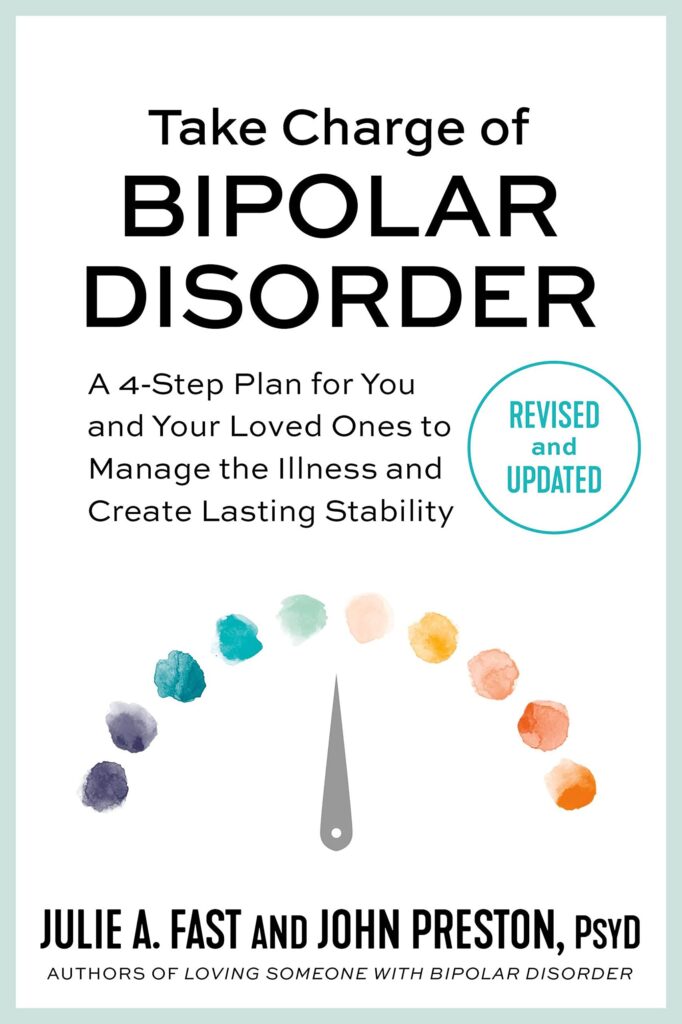

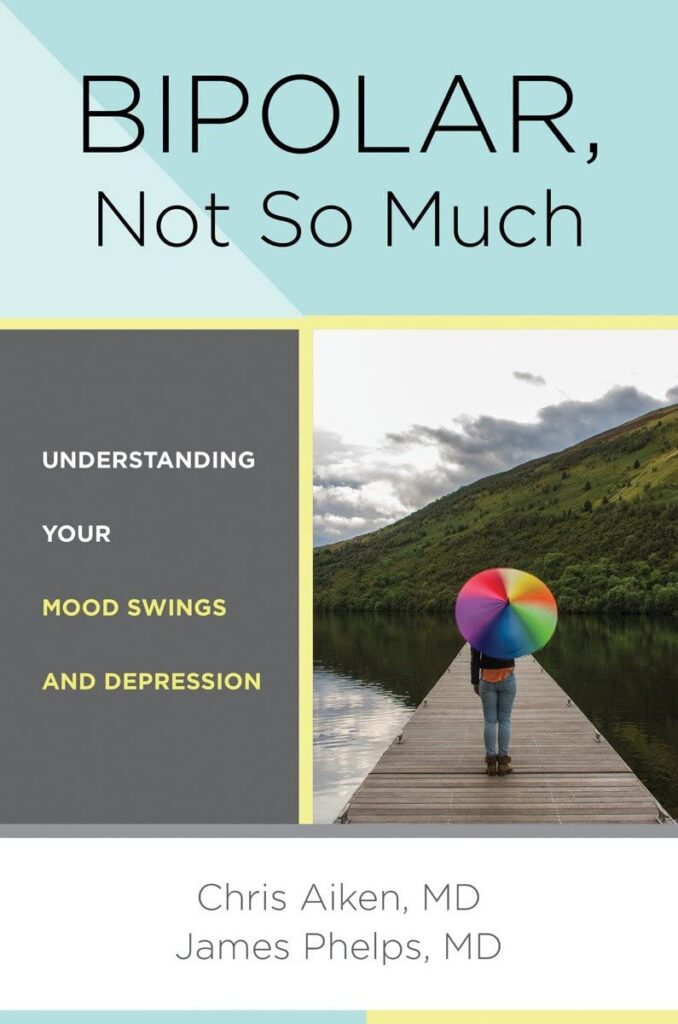
5 studies on bipolar disorder you should read for yourself
Sleep Disturbance in Bipolar Disorder Across the Lifespan
The role of sleep in bipolar disorder
Vulnerability to bipolar disorder is linked to sleep and sleepiness
Metabolic syndrome and adverse clinical outcomes in patients with bipolar disorder
Interventions for Sleep Disturbance in Bipolar Disorder
strategies for effective sleep hygiene
Implementing effective sleep hygiene requires a proactive approach. Educating oneself about the importance of sleep hygiene in bipolar disorder is crucial. Collaborating with healthcare professionals to develop personalized sleep plans can provide valuable guidance and support. Establishing a consistent sleep routine and following it diligently, even on weekends, helps regulate sleep patterns.
Utilizing relaxation techniques and stress management strategies before bedtime aids in winding down and preparing the mind for rest. Creating a comfortable sleep environment that is free from distractions and technology can promote uninterrupted sleep. Monitoring sleep patterns and making necessary adjustments based on individual needs and preferences is also beneficial.

Additional considerations for sleep management
In some cases, individuals with bipolar disorder may also experience co-occurring sleep disorders, such as insomnia or sleep apnea. It is essential to address these conditions alongside managing bipolar disorder. Medications used in bipolar disorder treatment may also impact sleep, and it is important to discuss any concerns or side effects with your healthcare provider. Open communication with healthcare providers regarding sleep issues ensures comprehensive care and effective management of bipolar disorder. Support systems and resources, such as support groups or therapy, can provide additional assistance and guidance throughout the journey of managing bipolar disorder and sleep hygiene.
making sleep a priority is just good management
Prioritizing sleep hygiene is an essential aspect of managing bipolar disorder effectively. By following the principles of sleep hygiene, individuals with bipolar disorder can significantly improve their overall well-being and quality of life. Incorporating healthy sleep habits, such as maintaining a regular sleep schedule, creating a conducive sleep environment and practicing relaxation techniques, can have a profound impact on mood stability, cognitive function and emotional regulation.
Remember, implementing effective sleep hygiene requires consistency and commitment. It may take time to establish new habits, but the long-term benefits are worth the effort. By prioritizing sleep hygiene, individuals with bipolar disorder can take an active, leading role in managing their condition and promoting better overall health.
Sleep hygiene plays a vital role in the management of bipolar disorder. It is crucial to recognize the link between bipolar disorder and sleep disorders, as addressing sleep disturbances can significantly impact mood stability and overall well-being.
Prioritizing sleep hygiene is a valuable step towards achieving a balanced and fulfilling life with bipolar disorder.

Improve Sleep Quality with a Weighted Blanket: Sleep disturbances are common among individuals with bipolar disorder, and disrupted sleep patterns can exacerbate mood symptoms. Weighted blankets have been found to promote better sleep quality by increasing serotonin and melatonin production and reducing cortisol levels. The gentle pressure of the blanket can help regulate the sleep-wake cycle, enhance relaxation and lead to more restful sleep, which is crucial for managing your bipolar symptoms. There are plenty to choose from on Amazon and this is my favorite.

Sleep journal
Keeping a sleep journal can be a valuable tool for understanding your sleep patterns and identifying areas for improvement. To start a sleep journal, keep a notebook or use a sleep tracking app – there are plenty to chose from on Amazom – specifically designed for this purpose. Each night before bed, record important details about your sleep. Begin by noting the time you go to bed and the time you wake up. Be sure to include any disturbances or awakenings throughout the night, as well as the duration of each disruption. Additionally, document how you feel upon waking up, including factors like fatigue, mood, and energy levels. It’s also helpful to track lifestyle factors that may impact sleep, such as caffeine or alcohol consumption, exercise, and stress levels. Over time, analyzing your sleep journal will provide insights into patterns and trends that can help you make adjustments to your sleep routine and environment. With consistent use, a sleep journal or aapp becomes a powerful tool for optimizing your sleep hygiene and enhancing your overall sleep quality.
Sleep Hygiene: The Key to Effective Bipolar Disorder Management
A Few Favorites To Get You Started
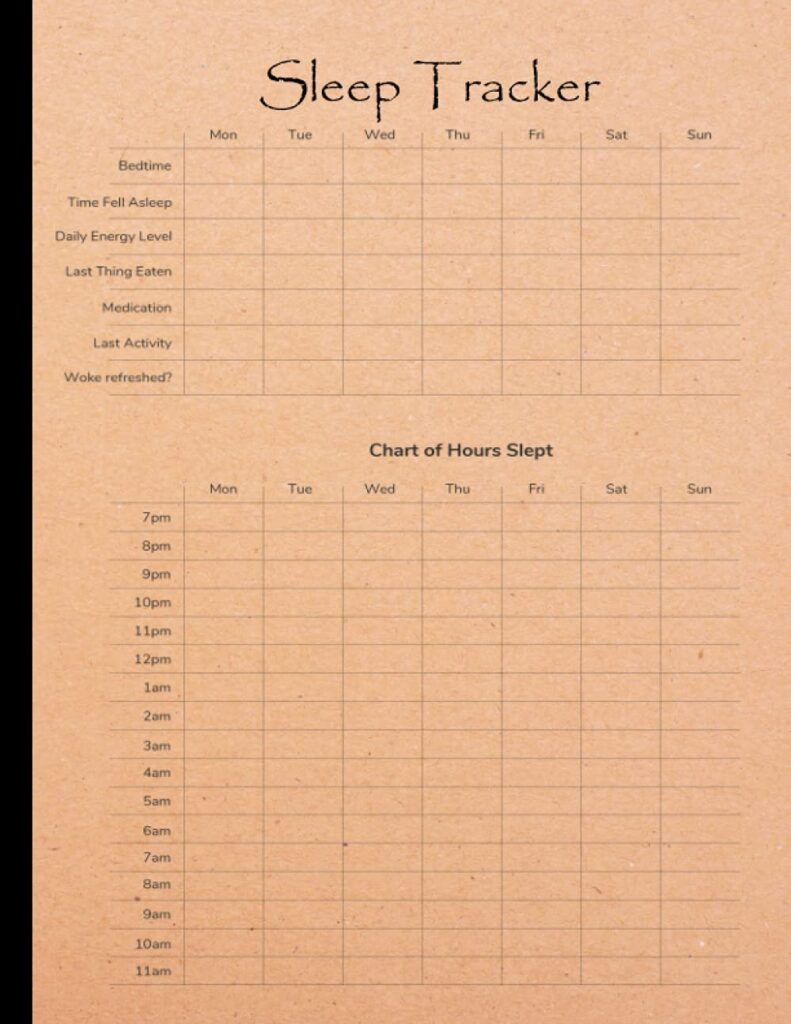



A little side note here: Keeping more than one kind journal could make the process easier. Keeping a dietary journal and/or a sleep journal seperate from your thoughts journal might reveal certain things that will become relevant over time.


What’s a body to do
Now that we’ve covered Bipolar Disorder and the need for calulated sleep in layman’s terms, definately dive deeper on a daily basis. Make it part of who you are. Create the habit of reading one relevant article, study or email on the subject daily. Now that’s not to say they will all be relevant to you, but it will force the situation where you stay tuned into the subject. All it might take is one relatable story to reveal a secret that makes your life easier and more enjoyable. And what’s a few minutes spent everyday reading a few thousand words that could deliver a tip, trick or study that could add to the peace and joy in your life.
And write, write, write. Get a journal and start your story today. I am not kidding when I say you are probably a stranger to yourself and have been most of your life. You took on what others may have said about you, knowing full well their words were wrong but not knowing how to explain they were. And so you just let it ride and somehow became (and accepted) what those words represented. Over time, and hearing these words often enough, makes one buy into the line and believing such brings on the new problem of low self esteem, shame and embarrassment. It’s only after a accurate diagnosis of Bipolar Disorder that everything comes into focus. By that time however, much of the damage has been done and is often difficult to unlearn. But journaling is your key to freedom.
And last be not least, experiment with your own sleep hygiene. By that I mean, try making a few small changes in your sleep routine and see what happens. Write your journal, read your journal and implement the obvious changes that need to be made. Navigate through your journey, don’t let the waves just move you along.
And before we go any further, you must give everything a fair fighting chance to work. Four days to see if a suppliment has any effect on you is not a fair shot. Changes take time to cause results. Like a long time. Remember you have been Bipolar most of your life. So adding a suppliment – which I promote heavily at times – will take a bit of time to take hold. So, when you decide to add (or subtract) something to or from your life, make a vow to follow through for 365 days before deciding to retain or abort the action.
Anyway, as I was saying, experiment a bit. Let’s say you have a terrible habit of getting into bed and immediately grabbing the phone and start scrolling TicTok. Now don’t get me wrong, I love TicTok too, but there is nothing on there that can’t wait until you’ve allowed your body to rest and rejuvinate itself. Afterall, you now know all the important things that take place when you sleep. Instead learn to ‘retire from your day‘, create a plan, work your plan and get the most out of your sleep.
The bottom line is that now that you know your situation, take control of it, master it and keep going. Women with ADHD, RSD and Bipolar Disorder have made great strides in their worlds and so can you. Learn to learn about you and the sky’s the limit.
Just A Personal Side Note: In all fairness, there’s is a whole lot more to getting a reign on your Bipolar Disorder. It takes a lot of research, soul searching and self discovery. And it takes a lot of adjusting and a whole lot of time and patience. My son-in-law was quite reluctant in the beginning but as I made suggestions, according to research I could show him, he did help himself by complying to my requests. I bought him a few suppliments I thought would help and my daughter started presenting differant meals to improve their diets and they created a bedtime ritual, that quite frankly benefitted both of them. I bought them a ‘thoughts’ journal and a ‘food’ journal and together they wrote his story. About 6 months into it, he himself realized just how much better he was feeling. His aches were lessening, he was actually sleeping 8 hours a day and he’d lost a conciderable amount of weight. His mind was not racing as much, his spirit was content and having a day filled with rewarding habits seemed to be the beginning of healing. Now although his diagnosis turned out to be way off the mental dysregulation path, did not seem to change things. He was already on the right path to being the happy, carefree young man he once was. A year later, still following the game plan they had created for themselves, their family is happy, healthy and thriving. All because he took control of his situation by educating himself and following through with life changes that absolutely made all the differance.

Just one more thing
The active compounds in saffron are called crocin, safranal, and picrocrocin and these compounds are thought to have a variety of therapeutic effects. When it comes to ADHD, RSD and/or Bipolar Disorder, saffron has been found to have a positive effect on the body‘s central nervous system and the brain. Studies have found that saffron increases levels of dopamine, serotonin, and norepinephrine in the brain. These neurotransmitters are responsible for regulating mood, attention, and behavior.
Read: One Spice Everyone With ADHD Should Know About
By increasing levels of these neurotransmitters, saffron can help to improve focus and concentration, reduce impulsivity, and reduce hyperactivity. Other studies have found that saffron helps to improve memory and learning. This is likely due to the fact that saffron helps to increase blood flow to the brain. This increased blood flow can help to improve overall brain function, and can even help to reduce the symptoms of ADHD. Studies have shown that saffron can help to improve overall sleep quality, as well as reduce insomnia and other sleep disorders. This is likely due to the fact that saffron helps to reduce stress and anxiety, which can often be the cause of sleep disturbances.
Finally, saffron can help to reduce anxiety and depression. Studies have found that saffron has an antidepressant effect, and can help to reduce the symptoms of anxiety and depression. This is likely due to the fact that saffron helps to increase levels of serotonin and dopamine in the brain, which can help to improve overall mood. Overall, saffron has been found to have a variety of therapeutic effects on the body and brain.
Now that’s something we should all be consuming.



Disclaimer: The information or products mentioned in this article are provided as information resources only and are not to be used or relied on to diagnose, treat, cure or prevent any disease. The statements made in this article have not been evaluated by the Food and Drug Administration. Any products mentioned are not intended to diagnose, treat, cure, or prevent any disease. The information in this article is intended for educational purposes only. The information is not intended to replace medical advice offered by licensed medical physicians. Please consult your doctor or health practitioner for any medical advice.

This is the book that will forever change the way we understand and treat mental health. A must read for anyone suffering with mental disorders. If you or someone you love is affected by mental illness, this book might just change your life forever.
Highly Recommended!