


Navigating a holistic path to mental wellness
Navigating a holistic path to mental wellness is the key. You can not wing it. You must be present, at the helm and engaged daily. By embracing a holistic path to mental wellness, you can cultivate a more balanced and fulfilling life.
In today’s fast-paced and stress-filled world, achieving and maintaining mental wellness is of utmost importance. While traditional approaches to mental health often focus on symptom management and medication, a holistic approach offers a broader perspective, addressing the interconnectedness of the mind, body and the spirit.
On this site, we explore what a holistic approach entails, the eight pillars of holistic wellness and practical steps to explore while embarking on a holistic wellness journey. We provide a wealth of information, tips and resources for individuals with ADHD, Rejection Sensitive Dysphoria (RSD) and Bipolar Affective Disorder seeking natural solutions. Our mission is to provide you with comprehensive resources, empowering self-care strategies and evidence-based natural approaches for mental health, all in a way, a simpler language purhaps, that can be understood.
Our approach is simple. Start from the beginning and work your way through it. Create new habits, get rid of the bad, record the journey and learn along the way. Learn to learn about you, invest in your own wisdom and let your spirit connect. These are the three most important steps you can take for yourself.
Throughout the site we dive into:
I. Understanding a Holistic Approach to Mental Wellness
-A. Defining Holistic Health and what that means
Holistic health involves taking into account various dimensions of well-being, including physical, mental, emotional, social, intellectual and spiritual aspects. This approach encourages individuals to be mindful of their whole selves when making decisions about their health and wellness. It also emphasizes the importance of one’s active involvement in their own healing process, including adopting healthy lifestyle choices. Traditional holistic approaches to health, derived from ancient healing traditions, aim to promote wellness and prevent disease. These approaches encompass a range of medical systems, mind-body-spirit interventions, manipulative and body-based interventions, as well as biological-based and energy therapies.

Typically, these approaches are used together with conventional medicine to provide a comprehensive and integrated approach to health. However, traditional holistic approaches will always involve the use of food, herbs, supplements, teas, homeopathic remedies, movement, dance, music, singing or chanting, sound and vibration, drumming, prayer, meditation, mindfulness and touch. (And a whole lot more)
-B. The Mind-Body-Spirit Connection
The mind, body and spirit are deeply interconnected. Imbalances or challenges in one aspect can, and will, affect the others. For example, chronic stress or emotional distress can manifest in physical symptoms such as headaches or digestive issues. Similarly, physical illness or discomfort can impact our mood and mental state. Taking a holistic approach to mental health recognizes the importance of addressing all three aspects, promoting balance and harmony among them.

Achieving holistic health
We delve into practical strategies and techniques to achieve holistic health in mental wellness. We explore different aspects such as self-awareness, mindfulness practices, emotional well-being, physical wellness, nutrition and building supportive relationships. By integrating these practices into daily life, individuals can cultivate a more comprehensive approach to mental wellness that nurtures all aspects of their whole self well-being.
II. Achieving Holistic Health in Mental Wellness
-A. Self-Awareness and Mindfulness Practices
This will include learning how to incorporate meditation and mindfulness exercises into your daily life, sometimes without even realizing it.
a.) Cultivating Present-Moment Awareness
This one is a little harder to do, but definately worth the time to understand and implement. Staying ‘present’ in your own life is very important and, on a holistic wellness journey, it’s paramount.
-B. Emotional Well-being and Expressive Therapies
a.) Exploring the Power of Art Therapy
Art therapy uses artistic mediums to help people explore their thoughts and emotions in visually expressive ways. Although the reveiws on the approach are mixed, we have found that it’s worth exploring. Afterall, every person is unique and when something helps then we believe it’s worth keeping.
Here are a few of the studies you can read that I came across while studying this method of self care.
Role of Art Therapy in the Promotion of Mental Health: A Critical Review
Art Therapy: A Complementary Treatment for Mental Disorders
b.) Enhancing Emotional Expression through Journaling
In my opinion, journaling is the best therapy you can implement for your emotional well being and an absolute must when heading out on a holistic lifestyle journey. You cannot navigate the waters without it. You will reveal so much about yourself – to yourself – that you will improve simply by writing. We here at AllNaturWell encourage journaling at every turn.
-C. Physical Wellness and Exercise
a.) Integrating Regular Exercise into Daily Routine
You’ve heard this one all your life. But on your holistic wellness journey it just might become more clear as to why the body must remain in motion for a healthy, happy triad. (Remember that’s the body, mind and spirit union. All three must be healthy for the whole self to be in balance and balance is the goal.)
Here’s one study from the University of Southern Austrailia you might want to pause and read: Exercise more effective than medicines to manage mental health
b.) Embracing the Benefits of Yoga and Tai Chi
Originating in ancient China,Tai chi is an art form embracing the mind, body and spirit. It is one of the most effective exercises for the health of the triad (the body, mind and spirit), that everyone should engage in. Its easy to learn, it’s relaxing, it’s physical, it’s emotional and it’s spiritual. Coupled with yoga, it’s a combination that simply can’t be beat.
-D. Nutrition and Mental Well-being
a.) Nourishing the Mind with a Balanced Diet
We all understand that food plays a major role in our well being. On a holistic journey however, you will come to know more about the foods you consume than most nutritionists. Get ready for a life changing experience. If you only choose to do one thing for yourself, learn to know what you are consuming. Here at AllNaturWell, one of the most important foods we promote are mushrooms! Magical little creatures that do so much for the brain it’s incredable.
b.) Understanding the Gut-Brain Connection
The Gut-Brain Connection, in simple terms, refers to the intricate relationship between our gut-brain axis (GBA) and our brain. It involves a constant two-way communication pathway between the two, where they influence and affect each other’s functioning. This connection is made possible by a complex network of nerves, chemical messengers and gut bacteria. This too will become second nature to you and once utilied will change your world.
Here are just a few of the studies you can read on this subject.
4 Fast Facts about the Gut-Brain Connection
The gut-brain connection – hopkinsmedicine.org
The gut-brain axis: interactions between enteric microbiota, central and enteric nervous systems
-E. Building Supportive Relationships and Community
a.) Cultivating Meaningful Connections
Building supportive relationships and community for individuals suffering from ADHD, Bipolar disorder and Rejection Sensitive Dysphoria (RSD) is of utmost importance. These conditions can often lead to feelings of isolation, misunderstanding and emotional distress. Having a strong support network can provide understanding, empathy and a sense of belonging, which can greatly improve the quality of life for those affected. People need people and those with emtional dysregulation, all the more.
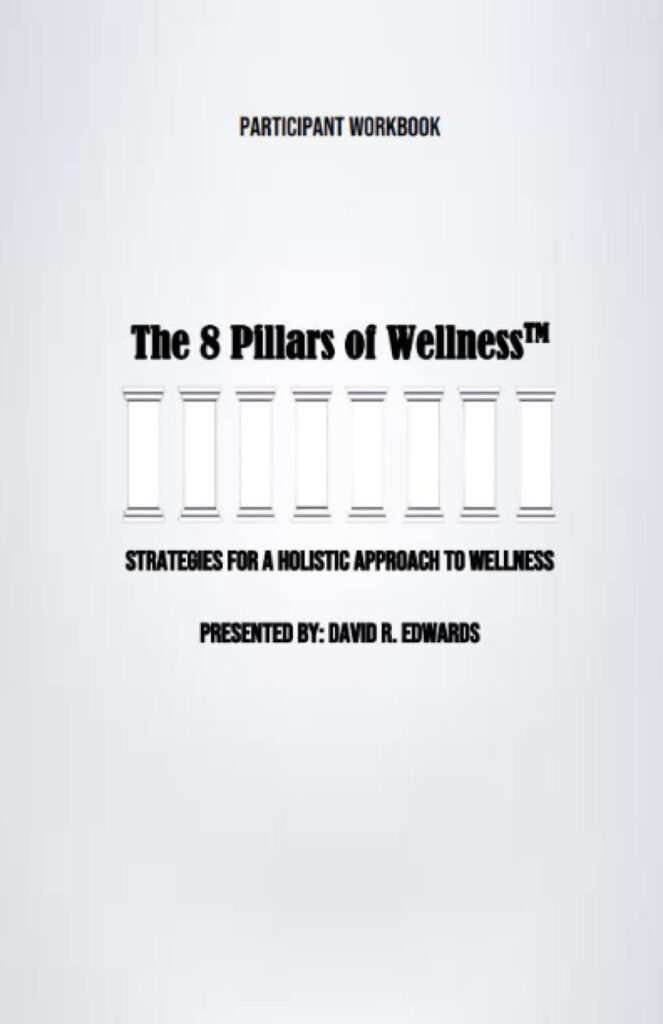
III. The Eight Pillars of Holistic Wellness
The eight pillars of holistic wellness represent various dimensions that contribute to overall well-being. We delve into each of these pillars. By understanding and addressing each pillar, individuals can create a solid foundation for holistic mental wellness.
A. Emotional Wellness
B. Physical Wellness
C. Intellectual Wellness
D. Social Wellness
E. Spiritual Wellness
F. Occupational Wellness
G. Environmental Wellness
H. Financial Wellness
We explore each one of them and try to put them into perspective and rearrange them if need be to ease any stress they may be causing. Or lock them in if they are doing alright. Remember, not everything has to be wrong. Some things might just be perfectly right. And if it isn’t broken, why fix it.
IV. Starting a Holistic Wellness Journey
Undertaking a holistic wellness journey requires intention, planning and commitment. We here at AllNaturWell promote journaling quite heavily. We believe that knowing our self well is the Navigator of our course. After all, Socrates once said –
“My friend…care for your psyche…know thyself, for once we know ourselves, we may learn how to care for ourselves”
Throughout the site, we provides practical steps for starting a holistic wellness journey. It includes setting clear intentions and goals, assessing current habits and lifestyle, creating a personalized holistic wellness plan, implementing sustainable changes and seeking professional guidance and support when needed. By taking these initial steps, individuals can initiate their path toward holistic mental wellness.
A. Setting Intentions and Goals
B. Assessing Current Habits and Lifestyle
C. Creating a Holistic Wellness Plan
D. Implementing Sustainable Changes
E. Seeking Professional Guidance and Support
Embarking on a holistic path to mental wellness allows individuals to go beyond just managing symptoms and
instead focuses on cultivating overall well-being. By embracing the mind-body-spirit connection and addressing
the eight pillars of holistic wellness, one can experience a more balanced and fulfilling life.
Remember, everyone’s journey is unique, so be patient and compassionate with yourself as you navigate your own holistic wellness path. By taking the first step and committing to holistic practices, you are laying the foundation for long-term mental wellness and a more vibrant, fulfilling life.
Here at AllNaturWell, we provide a wealth of information, tips and resources for individuals with ADHD, Rejection Sensitive Dysphoria (RSD) and Bipolar Affective Disorder seeking natural solutions. Our mission is to provide you with comprehensive resources, empowering self-care strategies and evidence-based natural approaches for mental health. Explore our articles, guides and product recommendations to unlock the transformative power of all-natural remedies, alternative therapies and mindfulness techniques.
Join us on this empowering journey as we do our very best to stay up to date with the lasted studies in these fields, read the lastest books and periodials on the topics and review the newest products for the benefit of those who are trying to navigate their own holistic lifestyle through all-natural remedies, self-care practices and mindfulness techniques to achieve optimal health and emotional harmony.
Join our community and receive exclusive content delivered directly to your inbox for free.
Must Read
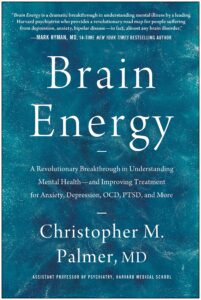
Brain Energy: A Revolutionary Breakthrough in Understanding Mental Health–and Improving Treatment for Anxiety, Depression, OCD, PTSD, and More.
This is the book that will forever change the way we understand and treat mental health. A must read for anyone struggling with mental disorders. If you or someone you love is affected by mental illness, this book just might change your life forever.
Highly Recommended!
Read More Below
David Perlmutter’s book, “Brain Energy: A Revolutionary Breakthrough in Understanding Mental Health–and Improving Treatment for Anxiety, Depression, OCD, PTSD, and More,” offers a fresh perspective on mental health and presents groundbreaking insights into the connection between brain health and various mental disorders. With his expertise as a neurologist and extensive research, Perlmutter sheds light on the role of brain energy in shaping our emotional well-being.
One of the book’s strengths is its ability to bridge the gap between scientific research and accessible language. Perlmutter skillfully translates complex concepts into layman’s terms, making the information easily digestible for readers without a medical background. This approach enables a wider audience to grasp the significance of brain energy in mental health and empowers them to take control of their well-being.
The author’s exploration of anxiety, depression, OCD, PTSD, and other mental disorders is comprehensive and informative. Perlmutter examines the underlying mechanisms of these conditions, emphasizing the vital role of energy production within the brain. By doing so, he challenges conventional thinking and provides a fresh perspective that can potentially revolutionize the way we understand and treat mental health issues.
Throughout the book, Perlmutter supports his claims with compelling scientific evidence. He references numerous studies and research findings to bolster his arguments, giving readers confidence in the validity of his ideas. However, at times, the abundance of scientific information may overwhelm readers who are unfamiliar with the technical aspects of neuroscience. While the inclusion of these details is necessary to support his assertions, a balance could have been struck to cater to a wider range of readers.
One of the most significant strengths of “Brain Energy” lies in its practical application. Perlmutter provides readers with actionable steps to enhance brain energy and improve mental health. From dietary recommendations to lifestyle modifications, he offers a holistic approach that readers can integrate into their lives. By incorporating these strategies, readers may gain a renewed sense of control over their mental well-being.
Although the book presents a compelling argument for the importance of brain energy in mental health, it is essential to approach the material with an open mind. Perlmutter’s ideas challenge established norms in the field of mental health, and while his approach is supported by scientific research, it may not be universally accepted by all experts in the field.
In conclusion, “Brain Energy” is a thought-provoking and insightful book that pushes the boundaries of our understanding of mental health. David Perlmutter’s ability to convey complex concepts in an accessible manner is commendable, making this book a valuable resource for individuals seeking to improve their mental well-being. Whether you are a mental health professional or someone personally affected by anxiety, depression, or other mental disorders, “Brain Energy” offers a unique perspective and practical strategies that can potentially transform lives.