
Can Mushrooms Help with ADHD? We Take a Look at the Research to Find Out.
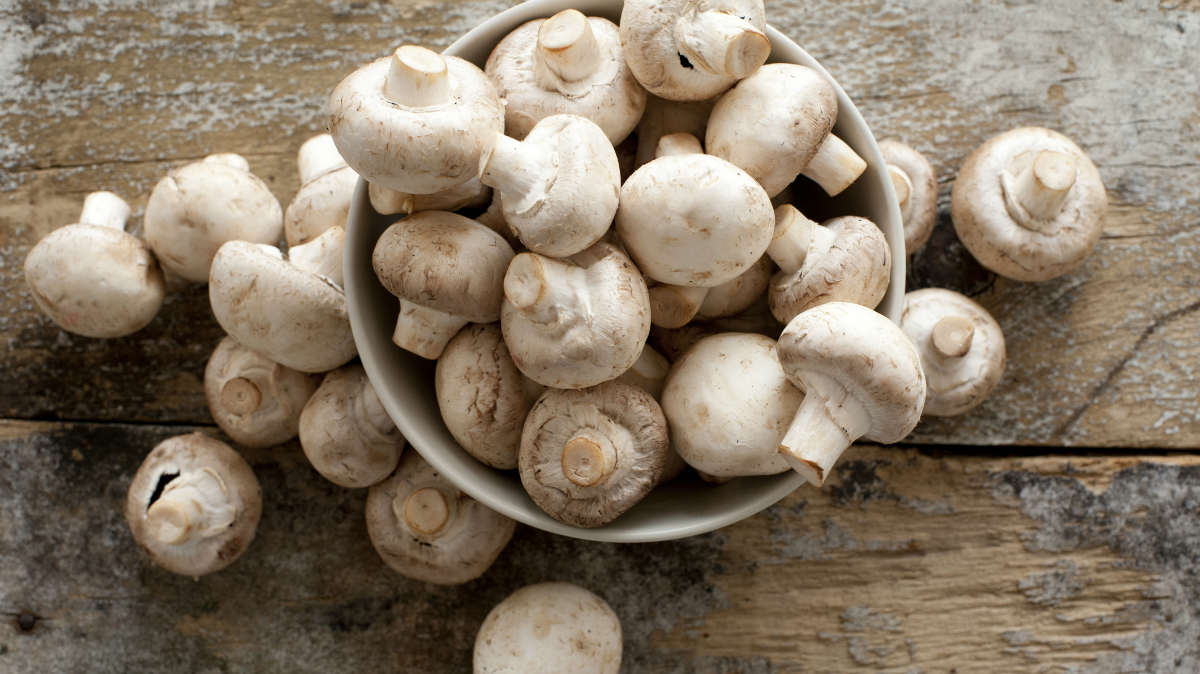
Can mushrooms help with ADHD? For years, researchers have been exploring the potential of certain types of mushrooms to treat Attention Deficit Hyperactivity Disorder (ADHD). But is there any scientific evidence to back up these claims? In this article, we take a look at the current research to uncover the facts about treating ADHD with mushrooms.
What is ADHD?
ADHD is a neurological condition that affects millions of children and adults in the United States and around the world. Symptoms of ADHD can include difficulty concentrating, restlessness, impulsivity, and much more. For some, ADHD is debilitating.
Symptoms of ADHD
The most common symptoms of ADHD include difficulty focusing, impulsivity, hyperactivity and difficulty completing tasks. People with ADHD experience an ongoing pattern of the following types of symptoms:
● Inattention–having difficulty paying attention. This might include:
● Paying close attention to details or making seemingly careless mistakes
● Sustaining attention for long tasks
● Listening closely when spoken to directly
● Following instructions and finishing duties
● Organizing tasks and activities and managing time
● Engaging in tasks that require sustained attention
● Losing things such as keys, wallets, and phones
● Being easily distracted by unrelated thoughts or stimuli
Signs of hyperactivity and impulsivity may include:
● Experiencing extreme restlessness, difficulty sitting still for extended periods
● Fidgeting with or tapping hands or feet or squirming in seat
● Being unable to engage quietly in leisure activities
● Talking excessively
- Resource: National Institute of Mental Health – free 8 page download or printable copy on ADHD
- Resource: CDC – free 1 page download or printable copy on ADHD
Recent studies have shown that certain types of mushrooms may be effective in treating many of these symptoms, as well as other related mental health issues such as anxiety and depression, that often accompany ADHD. A recent study conducted in France found that psilocybin, an active ingredient in psychedelic mushrooms, had positive effects on people diagnosed with Attention Deficit Hyperactivity Disorder (ADHD). After taking the drug, the participants reported feeling calmer and more focused, suggesting that it could be beneficial in treating ADHD-related symptoms. Furthermore, other studies have suggested that regular mushroom consumption can reduce feelings of stress and improve cognitive functioning. This is thought to be due to the presence of compounds called beta-glucans, which are believed to improve cognitive function by increasing levels of serotonin and dopamine in the brain. In addition, some experts believe that mushroom consumption can boost creativity, something which can be especially helpful for those struggling with ADHD. Ultimately, while more research is needed before definitive conclusions can be drawn about how effective mushrooms can be for treating ADHD, it is certainly worth exploring further.
The Connection Between Mushrooms and ADHD
Research shows the connection between mushroom consumption and ADHD treatment may be through the presence of a chemical compound known as Lion’s Mane extract. This natural chemical has been proven in studies to reduce symptoms associated with ADHD, such as impulsivity and inattentiveness. Mushrooms may also contain tyrosine, an amino acid that can influence dopamine production, which is known to improve attention and focus levels in people with ADHD. As well as this, they also contain many other beneficial compounds such as antioxidants, vitamins, minerals, and essential fatty acids that all have a role to play in helping manage symptoms associated with ADHD. Studies have found that consuming certain types of mushrooms like Reishi, Cordyceps, Chaga, Shiitake, and Lion’s Mane can lead to improved brain health and better cognitive performance, which can benefit those living with ADHD. Although more research is needed on this topic, it appears that eating certain types of mushrooms could provide some positive results for people living with ADHD.
The properties associated with mushrooms that help with ADHD are many, and further studies are being conducted to fully understand how they work. In general, mushrooms are known to also have anti-inflammatory and antioxidant benefits, both of which may be beneficial for people suffering from this disorder. Mushrooms can also modulate dopamine receptors in the brain, which can improve attention, memory, and focus. Additionally, certain species of mushrooms are known to have neuroprotective effects, which can protect against neuron damage and inflammation in the brain, thus helping with cognitive function and brain health. Finally, certain types of mushrooms can also modulate serotonin levels in the brain, which is important for mood regulation and emotional stability, both of which are important for people suffering from ADHD. In conclusion, although further study is needed, it is clear that mushrooms have potential therapeutic benefits for individuals suffering from ADHD and should be considered as part of a holistic approach to treatment.
Are There Any Side Effects of Using Mushrooms to Treat ADHD?
The potential side effects of mushrooms on those choosing to try them as an alternative treatment for ADHD have yet to be fully studied and understood, but some people have reported feeling drowsy, anxious, and nauseous after consuming them. However, if taken in proper doses, these symptoms are usually not serious and typically don’t last very long. Some other minor side effects may include stomach cramps and diarrhea, so it’s important to be mindful when taking any mushroom supplement and talk to your doctor before trying anything new. Additionally, some people have had allergic reactions to certain species of mushrooms, so it’s important to be aware and seek medical attention if you experience any adverse symptoms.
What Do the Experts Say?
When considering adding mushrooms to part of an ADHD treatment plan, it is important to understand the facts and consult with a medical expert. While there is currently no scientific consensus on whether or not mushrooms can provide relief for individuals struggling with ADHD, some experts believe that they may be able to provide some benefits, particularly in terms of improving concentration and focus. A few studies have suggested that using mushroom supplements may improve cognitive performance in people with ADHD, although more research is needed to determine the safety and efficacy of this approach. In addition, mushrooms have been studied for their potential ability to reduce stress and anxiety levels, which may also help manage symptoms associated with ADHD. Ultimately, it is best to speak with your doctor before making any dietary changes and ensure that any mushroom supplementation is done under medical supervision.
- Research Article : Science Direct : Free Download – Micro-dosing with psychedelics to self-medicate for ADHD symptoms in adults: A prospective naturalistic study
- Research Article: NIH: Attention-deficit-hyperactivity disorder and reward deficiency syndrome
Different Types of Mushrooms That Can Be Helpful for Those with ADHD
Mushrooms have long been known to have healing properties and some varieties can be beneficial for those with ADHD. The most widely studied mushrooms are those belonging to the family of mushrooms called ‘psilocybin mushrooms’. These are typically wild mushrooms that contain psilocybin, a hallucinogenic compound that has been found to reduce symptoms of anxiety, depression, and even ADHD.
Studies have also shown that other types of medicinal mushrooms, such as reishi and Chaga, have neuroprotective qualities which help improve cognition and focus in people with ADHD. Reishi mushrooms contain an antioxidant known as triterpenes which helps to reduce inflammation in the body. Chaga is a mushroom found in birch trees, it contains beta-glucans which help to regulate blood sugar and reduce stress levels.
Another type of mushroom, cordyceps, has been found to help improve energy levels and stamina which may help those with ADHD manage their day-to-day tasks better. Cordyceps are a type of fungus that grows on caterpillars and contains compounds that can increase physical performance.
Finally, lion’s mane mushrooms have been studied for their potential benefits for mental health, including improving focus and concentration in people with ADHD. Lion’s mane mushrooms are rich in polysaccharides which help to reduce inflammation in the brain, as well as improve cognitive function.
Overall, many different types of mushrooms have been found to have potential benefits for those with ADHD. However, it is important to remember that more research is needed before these claims can be definitively proven. It is always best to consult your doctor before trying any new treatments or supplements for ADHD.
Where Can I Get Mushrooms for My ADHD Treatment?
Purchasing mushrooms for the treatment of ADHD is a relatively simple process. Generally, people buy mushrooms that are grown commercially and available in stores, either dried or fresh. Additionally, many companies now offer home-grown mushroom kits, allowing you to grow your own mushrooms for use in treating ADHD. Additionally, many health food stores offer herbal supplements containing mushrooms that may be beneficial for treating ADHD, such as Chaga, reishi, and lion’s mane mushrooms. It’s important to note that some of these herbal supplements may not be as potent as using fresh or dried mushrooms and should only be used as directed on their labels.
Finally, if you have access to wild edible mushrooms, it may be beneficial to incorporate them into your diet as well, but be sure to do your research before consuming any wild mushroom to ensure that it is safe to eat. By doing your research and exploring your options, you may find that incorporating mushrooms into your daily routine can be an effective treatment for your symptoms of ADHD.
- Invest In Your Own Wisdom: Amazon has a plethora of Best Seller books on Mushrooms. Always do your own due diligence. And always talk with your health care professional before adding any mushroom to your ADHD treatment plan.
- Your Psilocybin Mushroom Companion: An Informative, Easy-to-Use Guide to Understanding Magic Mushrooms—From Tips and Trips to Microdosing and Psychedelic Therapy
- Christopher Hobbs’s Medicinal Mushrooms: The Essential Guide: Boost Immunity, Improve Memory, Fight Cancer, Stop Infection, and Expand Your Consciousness
- Blue Thumb: How to Grow Psilocybin Mushrooms at Home: The Experiential Step-by-Step, Picture-by-Picture Guide
The Benefits of Mushrooms for Those with ADHD
Mushrooms are known for their positive effects on the brain, and recent studies suggest that they may have positive effects on those dealing with ADHD. One study from 2019 found that eating shiitake mushrooms, specifically, could improve focus and concentration in children who have been diagnosed with ADHD. Another study showed that consuming Reishi mushrooms improved symptoms of hyperactivity, impulsivity, and decreased restlessness associated with ADHD.
How To Incorporate Mushrooms Into Your Diet
Mushrooms are an excellent choice for those with ADHD looking to supplement their diet. Not only do they contain numerous health-promoting compounds, but they can also help regulate the dopamine levels in your brain, leading to improved focus and cognitive performance.
Including mushrooms in your daily diet is easy and straightforward. You can buy them fresh from your local grocery store or farmer’s market and sauté them in butter and spices for a flavorful side dish. You can also opt for pre-cooked mushrooms such as canned or frozen varieties, which are a convenient way to get your daily dose of mushrooms. Mushrooms can also be used in soups, salads, sandwiches, casseroles, and more.
In addition to eating mushrooms, you can also take mushroom extracts in the form of capsules or tinctures. These supplements are often made from several different types of medicinal mushrooms and contain higher concentrations of active compounds than regular mushrooms. They’re a great way to get a concentrated dose of mushrooms without having to eat large amounts of them each day.
Ultimately, incorporating mushrooms into your diet is an easy and delicious way to get more out of your ADHD treatment. From improving focus to balancing dopamine levels, mushrooms offer numerous benefits for those with ADHD. Speak with your doctor on the benefits of mushrooms in your particular case see how it works for you!